Transverse Deformation
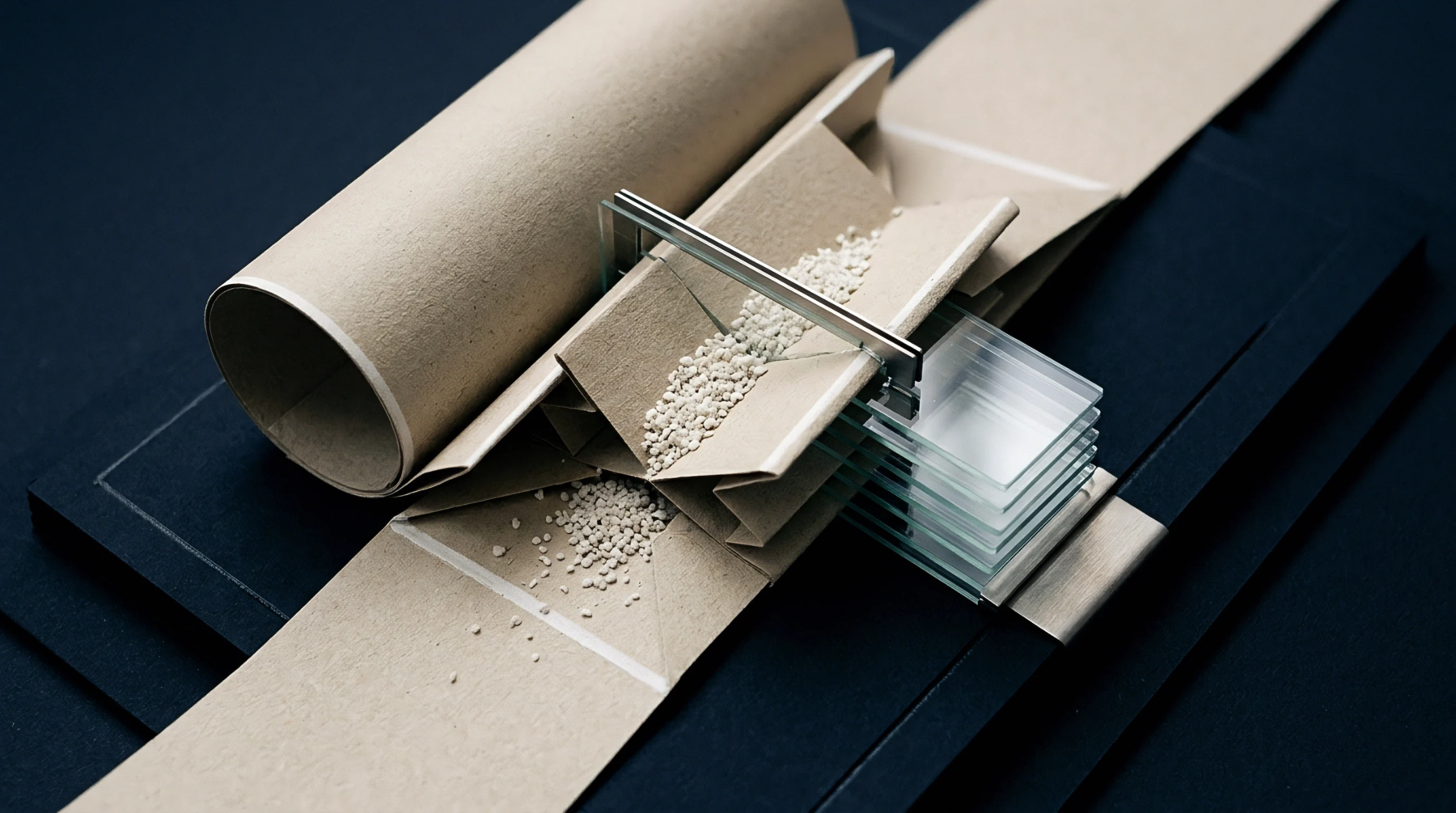
Mechanical folding lines applied perpendicular to the grain of a paperboard sheet facilitate the formation of carton corners. This cross direction creasing involves compressing the board fibers between a male rule and a female matrix. The process reduces the stiffness of the material along a specific axis.
Precise alignment prevents the board from resisting the fold.
Mechanical Resistance
Resistance to bending is higher when the fold runs against the natural alignment of the wood fibers. Performing cross direction creasing requires more pressure than grain direction work because the fibers must be physically compressed across their length. If the pressure is insufficient, the fold will be uneven.
Excessive pressure results in a fracture of the top liner.
Board Integrity
Structural stability of the finished package depends on the quality of these transverse scores. Poorly executed cross direction creasing leads to bulging panels or failed adhesive bonds during high speed assembly. A clean crease ensures that the outer surface remains intact while the inner layers delaminate slightly to accommodate the bend.
High moisture content in the board can improve the flexibility of the fibers during this stage. Consistency across the width of the machine remains a primary quality metric.