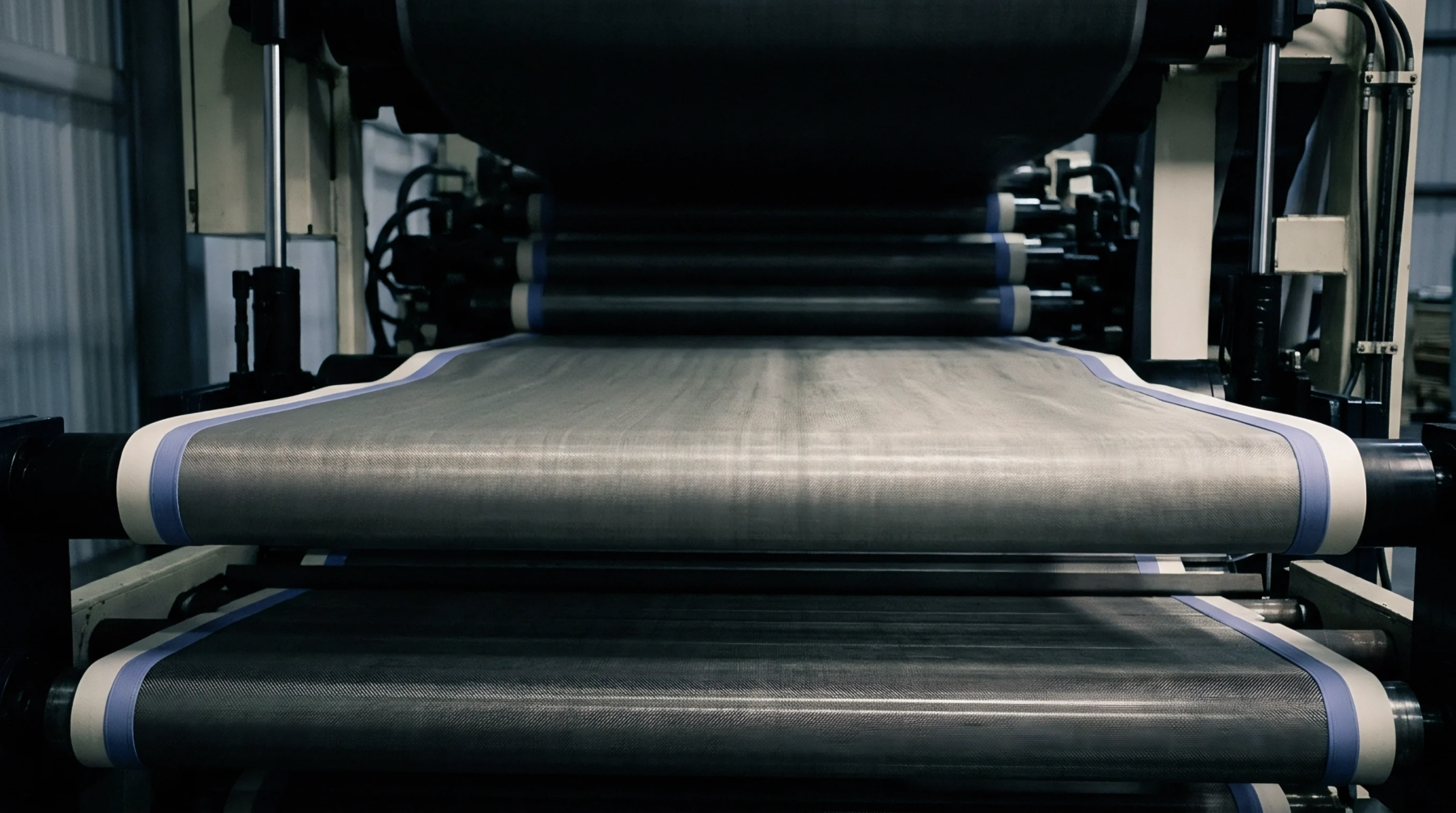
Basis Weight Control
Caliper variation across the width of a paper web requires precise adjustment of slice lips on the headbox to maintain uniform sheet thickness. Cross machine profile measurements guide the distributed actuators that govern basis weight during high speed papermaking. Thermal expansion and mechanical deflection across the forming board distort this lateral distribution long before the substrate reaches the dry end.
Mill operators monitor these transverse deviations constantly to prevent uneven winding rolls that cause web breaks in subsequent converting lines.
Winding Tension
Uneven caliper zones create tight streaks and soft pockets in master rolls during rewinding operations. Lateral moisture gradients compound these thickness discrepancies and generate differential elongation across the sheet width. Converting plants reject mother rolls exhibiting severe profile defects because such rolls yield distorted corrugated board and misregistered flexographic prints.
Automated winders adjust nip pressure dynamically based on real time scanning data to compensate for localized basis weight abnormalities.
Conversion Tolerance
Finished packaging substrates demand strict dimensional stability through printing and die cutting processes. Localized caliper spikes disrupt ink transfer during rotogravure and cause register errors in high speed lithographic presses. Lamination units encounter delamination risks when carrier webs display irregular cross machine profiles because adhesive distribution becomes inconsistent across the nip.
Packaging converters establish internal acceptance thresholds for transverse caliper variation before accepting supplier shipments into production.