Fiber Blend
Mechanical pulp produced by treating wood chips with chemicals before refining provides a high-yield raw material for bulk-intensive paperboard. Using a ctmp furnish in the middle plies of multi-ply packaging board increases the stiffness and bending resistance without adding excessive weight to the structure. This pulp category combines the yield advantages of mechanical wood processing with the fiber length retention of chemical pre-treatment.
Structural Role
Bulking properties of this material allow converters to manufacture stiff boxes that require less total fiber than pure chemical board. The thermomechanical action preserves long fibers that form a resilient network. Since the lignin is not completely removed, the fibers remain stiff, providing resistance to compression.
This stiffness is highly valued in folding cartons where structural integrity prevents deformation under load. Consequently, the board maintains its shape when stacked in warehouses or subjected to high humidity during cold-chain transport. The reduction in basis weight also lowers shipping costs across the supply chain.
Converting Behaviour
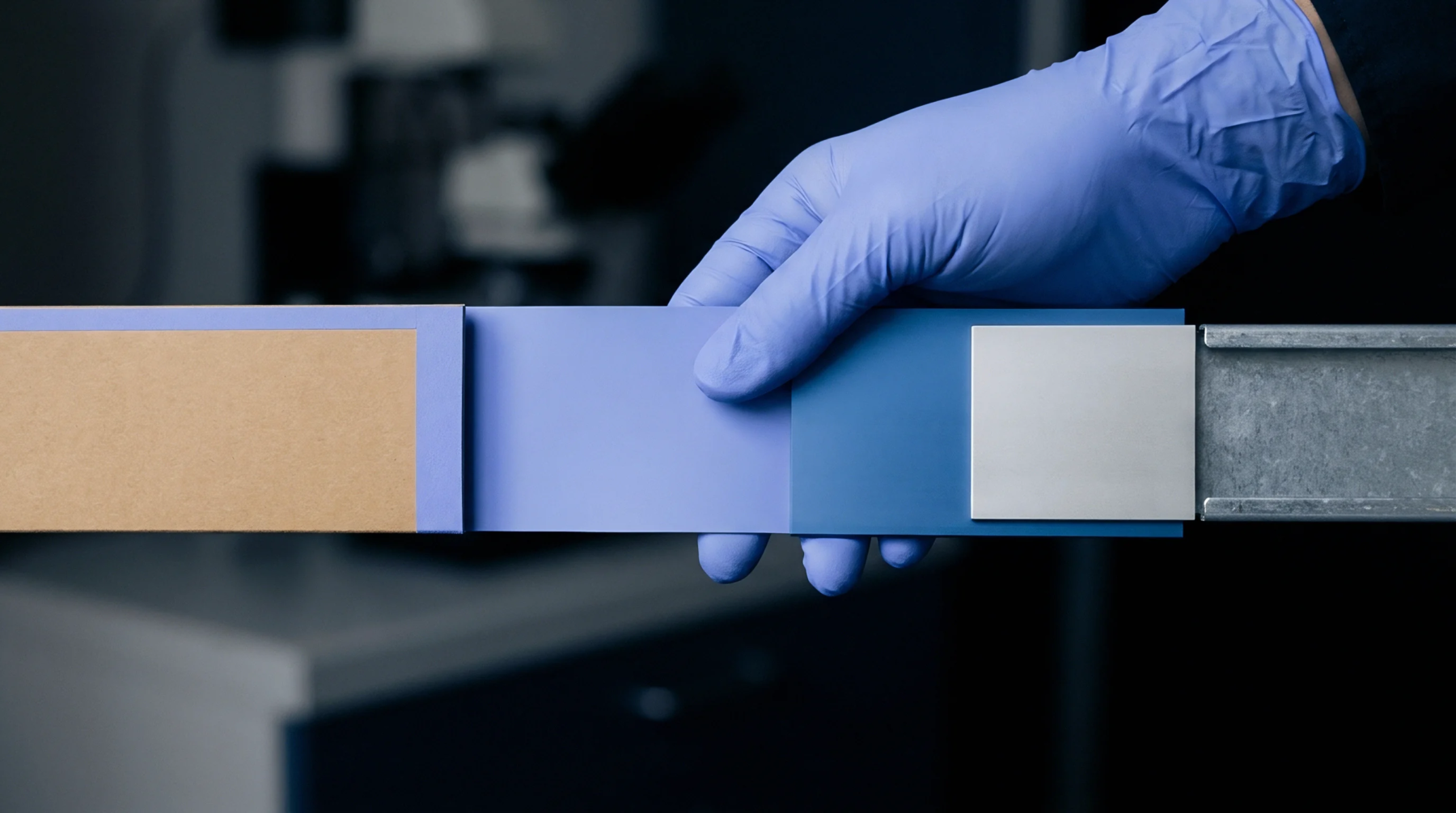
Processing challenges arise from the residual lignin content, which affects moisture sensitivity and surface brightness. While chemical pulp provides a smoother surface for printing, ctmp furnish relies on top coatings to achieve high-quality graphics. It is commonly sandwiched between layers of bleached chemical pulp to hide the yellowish tint.
This multi-ply arrangement protects the board from yellowing when exposed to ambient light during storage.