Fiber Resistance
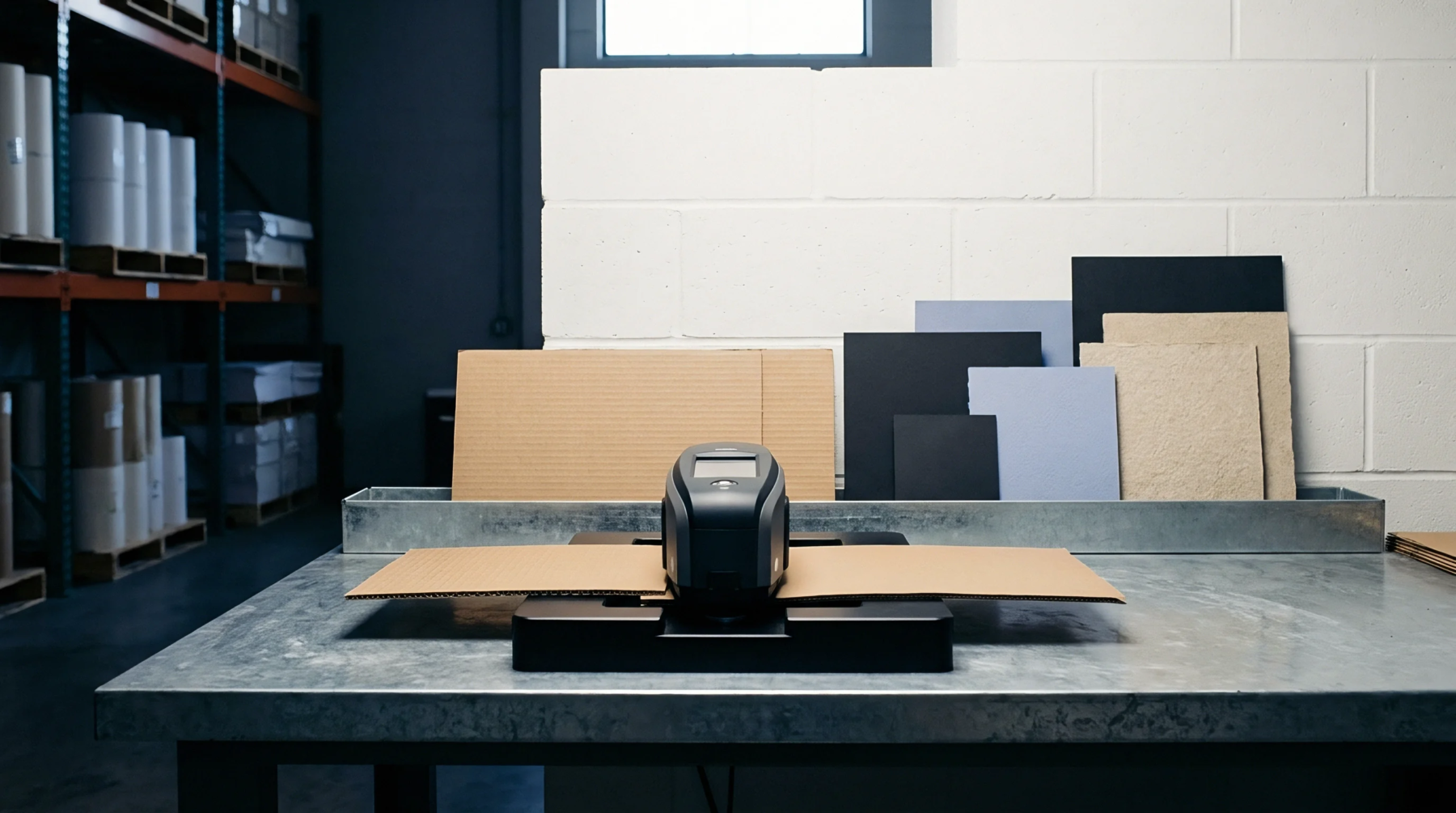
Coated unbleached kraft board is a heavy packaging substrate built from unbleached softwood pulp designed for high tear strength and moisture retention under refrigeration. Production relies on a multi-layer Fourdrinier process where the base kraft plies provide tensile strength while a top clay coating permits high-resolution graphics. Converters apply this specific board grade to beverage multipacks and frozen food cartons because mechanical rigidity remains stable during cold chain transport without needing polymeric lamination.
When humidity rises inside a distribution warehouse, the unbleached interior fibers maintain burst resistance while the outer clay layer prevents ink bleeding during flexographic printing. Mills test the material against standard Cobb values to ensure liquid absorption stays below specified limits for carton integrity.
Crete Mechanics
Folding carton lines crease this structural substrate using rotary steel rules that displace inner fibers without fracturing the exterior tension layer. Die-cut operators adjust channel depths on the converting press to accommodate the high grammage of the board without delaminating the bottom kraft plies. During high-speed gluing operations, aqueous adhesives penetrate the porous unbleached bottom side quickly to form a fiber-tearing bond before the carton reaches compression belts.
Packaging engineers specify exact score widths based on caliper measurements to prevent bulging along the glued seam when secondary loads rest on top of the erected carton.
Load Capacity
Box compression testing measures the vertical weight a formed carton sustains before wall buckling occurs under static warehouse stacking conditions. Crease geometry and board caliper dictate how loads transfer down through the vertical corners of the package rather than collapsing the printed panels inward. Pallet patterns must align container corners precisely so that the combined vertical strength of multiple layers supports the top weight without crushing the primary product inside.
Environmental chambers subject loaded cartons to cycling temperatures and high relative humidity to verify that the substrate retains structural performance throughout extended distribution cycles.