Conversion Liability
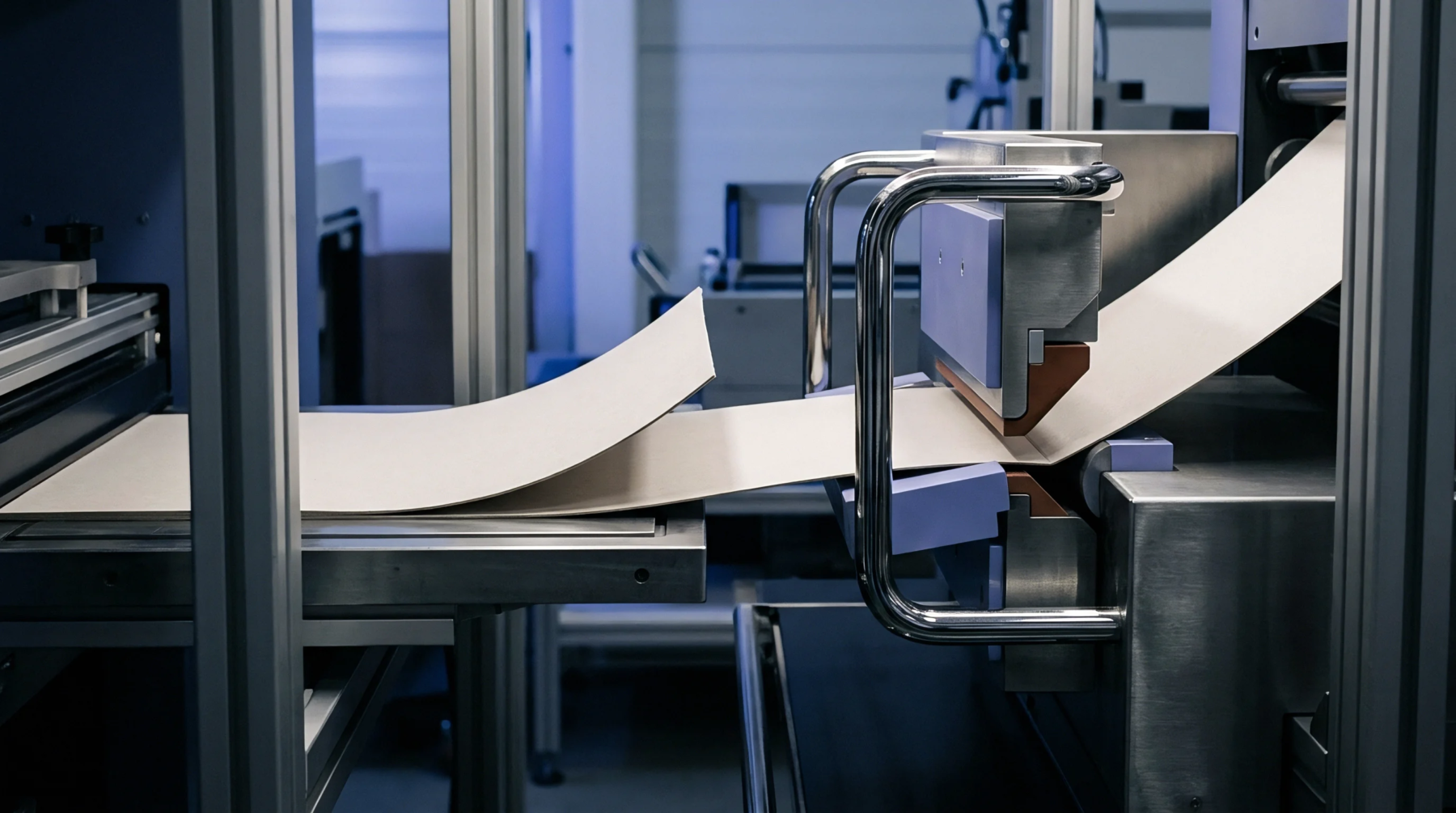
Excess substrate loss occurs when mechanical registration errors or excessive pressure during the conversion phase render individual product blanks unusable. Die cutting spoilage quantifies the percentage of raw material discarded due to geometric inaccuracies, blade dulling, or substrate tearing before final delivery. Operators monitor this metric to determine the fiscal efficiency of a production run.
High levels of this waste often signal the need for blade refurbishment or adjustments to the hydraulic press force.
Tolerance Threshold
Manufacturers establish an acceptable variance for this category of loss based on the physical properties of the paperboard or synthetic stock. Thick materials require greater force to penetrate, which increases the likelihood of edge fraying or header collapse during high speed operations. Precise alignment settings minimize the discrepancy between the planned layout and the physical strike of the tool.
Production teams use these baseline expectations to separate expected technical friction from avoidable operator error.
Fiscal Impact
Accurate tracking of these losses accounts for the total cost of paper consumption relative to the yield of sellable packaging. Costs associated with the discard include the initial market value of the substrate, the energy expended during press time, and the potential downtime required for troubleshooting equipment failures. Financial models treat these units as sunk costs that reduce the margin of every finished order.
Total profitability decreases as the frequency of mechanical failure within the die station rises.