Tooling Layout Plan
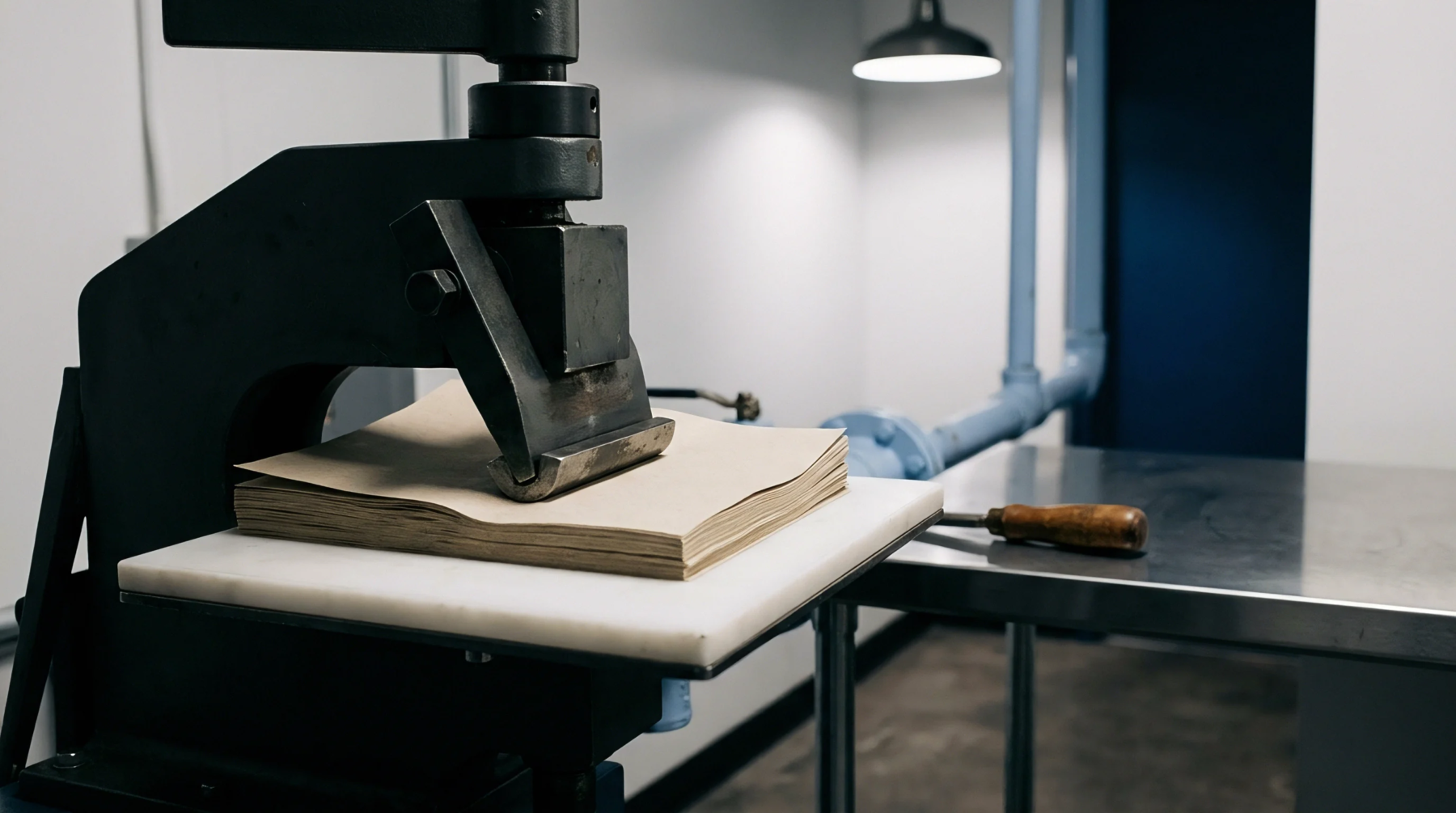
Converting engineering plans specify the geometric arrangement, orientation, and spacing of carton blanks across a single cutting and creasing tool. Die imposition determines sheet nesting, cutting knife configurations, creasing rule placements, and gripper margins required to manufacture cartons on flatbed or rotary die-cutters. Structural packaging designers generate the tooling file within computer-aided design systems, balancing sheet material yield against machine runnability, carton grain direction, and automated stripping constraints.
The resulting CAD layout directly governs the manufacture of laser-cut plywood die boards, steel counterplates, stripping dies, and blanking tools. This arrangement applies exclusively to post-print converting operations processing folding carton blanks, corrugated fluting, or solid board sheets, ending where print layout and prepress prep steps operate independently of cutting dies.
Layout Architecture
Arranging individual blanks requires interlocking complex carton silhouettes to minimize waste trim across the machine bed. Die designers nest tuck flaps into opposing cut-outs, creating shared-knife cuts where a single steel blade divides two adjacent cartons without intermediate scrap. Grain direction across the layout must align correctly with structural carton folds, ensuring major body creases run parallel to the machine direction of the paperboard for clean, crack-free folding.
Layout plans include perimeter border margins for front gripper bars that pull sheets through the platen section, alongside internal waste tracks for mechanical stripping pins. Dynamic balancing requires symmetrical cutting resistance across the die surface, preventing uneven pressure distribution that damages platen bearings or produces inconsistent creasing depths.
Yield and Conversion Economics
Material efficiency generated through optimized layout planning dictates overall production margins in carton converting operations. An unoptimized die layout increases trim waste, inflating pulp consumption and raw board expenditure per unit produced. Shared-knife layouts save surface area but demand tight manufacturing tolerances, as knife deflection can simultaneously alter critical outer dimensions on two separate cartons.
Inadequate clearance between adjacent blanks inhibits clean mechanical stripping, generating scrap hang-ups that halt downstream automated cartoning machinery. Converting facilities balance nested yield gains against stripping difficulty, adding dynamic air-actuated stripping or dedicated blanking tooling when running complex multi-up configurations exceeding forty carton impressions per cycle. Die imposition decisions ultimately determine sheet utilization efficiency, running speeds, and tooling longevity across extensive packaging print campaigns.