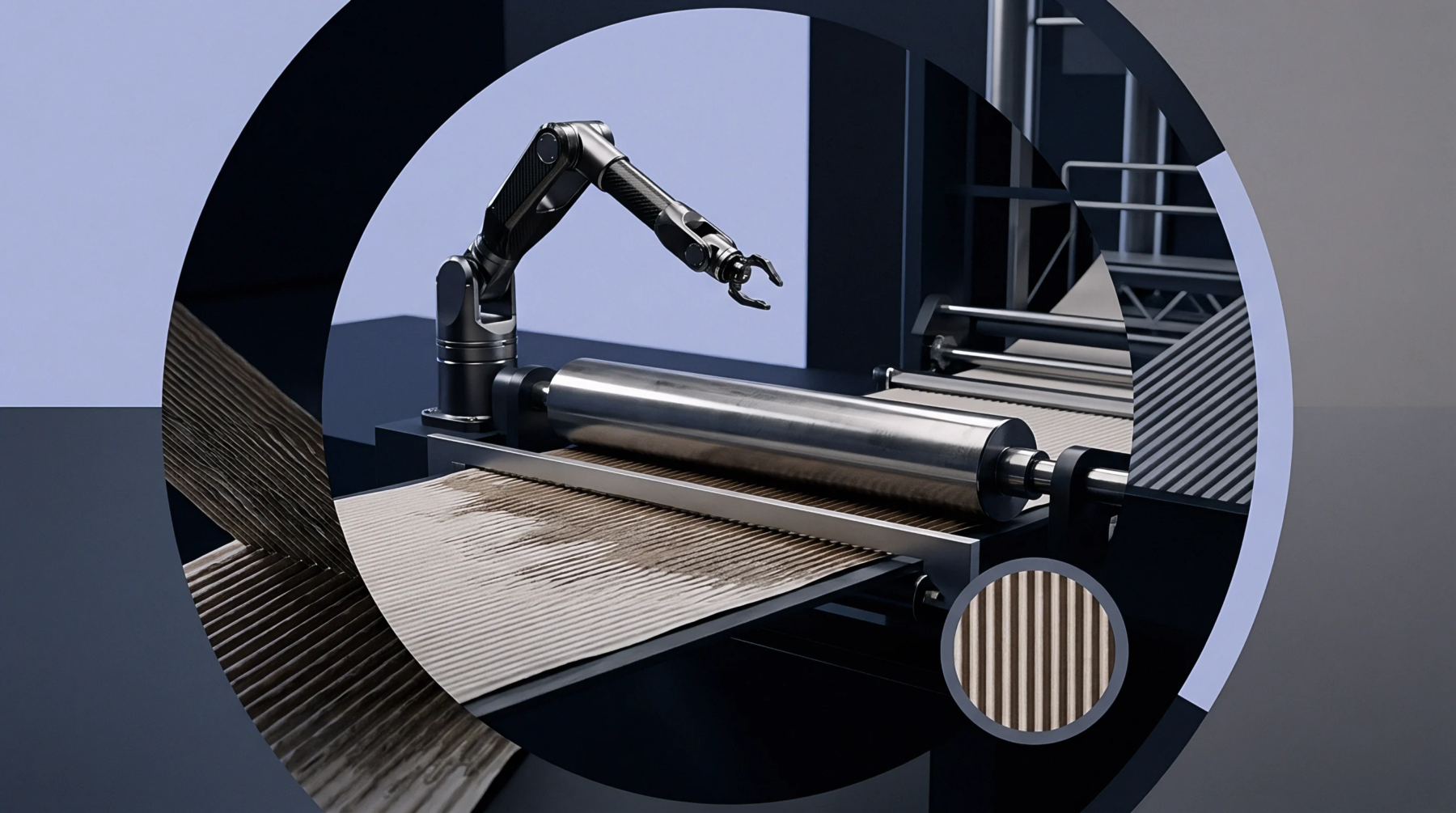
Roll Geometry
Dimensional changes occurring at the outer extremities of a metal roller or a wound material roll result from the absorption of heat during high-speed operation. Edge crown thermal expansion describes the increase in diameter that happens when the ends of a roller grow larger than the center due to temperature gradients. This phenomenon is prevalent in heated calendering stacks or during the friction-heavy winding of plastic films.
Heat Generation
Friction from bearings and the lack of web cooling at the edges cause these localized temperature spikes. The edge crown thermal expansion creates a non-uniform nip pressure which leads to tighter winding at the roll margins. Modern rollers often incorporate internal cooling channels or induction heating systems to counteract these effects and maintain a perfectly cylindrical profile.
Dimensional Tolerance
Improper management of this expansion leads to defects such as hard edges or stretched lanes in the finished product. Because the edge crown thermal expansion alters the contact area between the roller and the web, it can also cause steering issues or localized wrinkles. Precise monitoring of the roll surface temperature allows for real-time adjustments to the crown compensation systems.
Consistent temperature control ensures the stability of the entire production run.