Structural Flattening
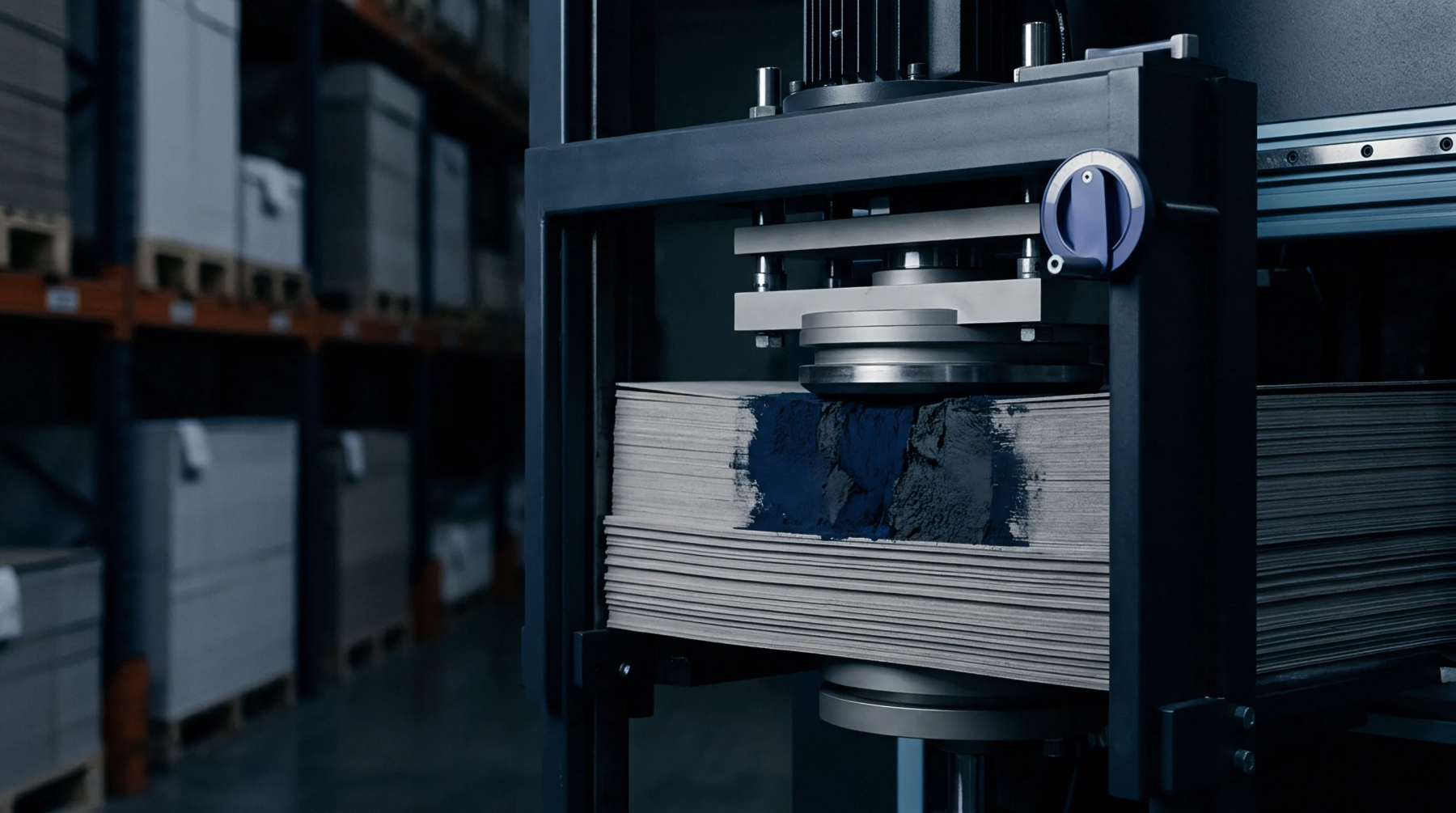
Permanent flattening of the hollow central canal of a wood fiber during the pulping or refining stage represents a critical transition in paperboard density. Fiber lumen collapse increases the contact area between individual cellulose strands and promotes hydrogen bonding during sheet formation. This physical shift yields a denser, smoother paperboard with high tensile strength but lower bulk and bending stiffness.
Sheet Density
In chemical pulping, the removal of lignin softens the cell walls of the wood fibers, allowing them to flatten easily under the pressure of the wet press rolls. The collapsed fibers pack together tightly like flat ribbons, creating a closed surface that holds inks and coatings without absorbing them excessively. This dense structure is ideal for barrier papers but less desirable for high-yield packaging boards where thickness and stiffness are paramount, because the loss of the hollow centers directly diminishes the thickness of the board for a given basis weight and makes it harder to achieve the stiffness required for heavy folding cartons.
Structural Rigidity
Uncollapsed fibers retain their tubular shape, which helps preserve the bulky network needed to keep cartonboard lightweight yet rigid. Mechanically beaten pulps often retain their hollow lumen, which acts as a tiny internal arch that resists compression during sheet formation and drying. If the lumen is fully compressed, the paperboard loses its internal cushioning capacity, making it vulnerable to cracking during die-cutting operations.