Internal Equilibrium
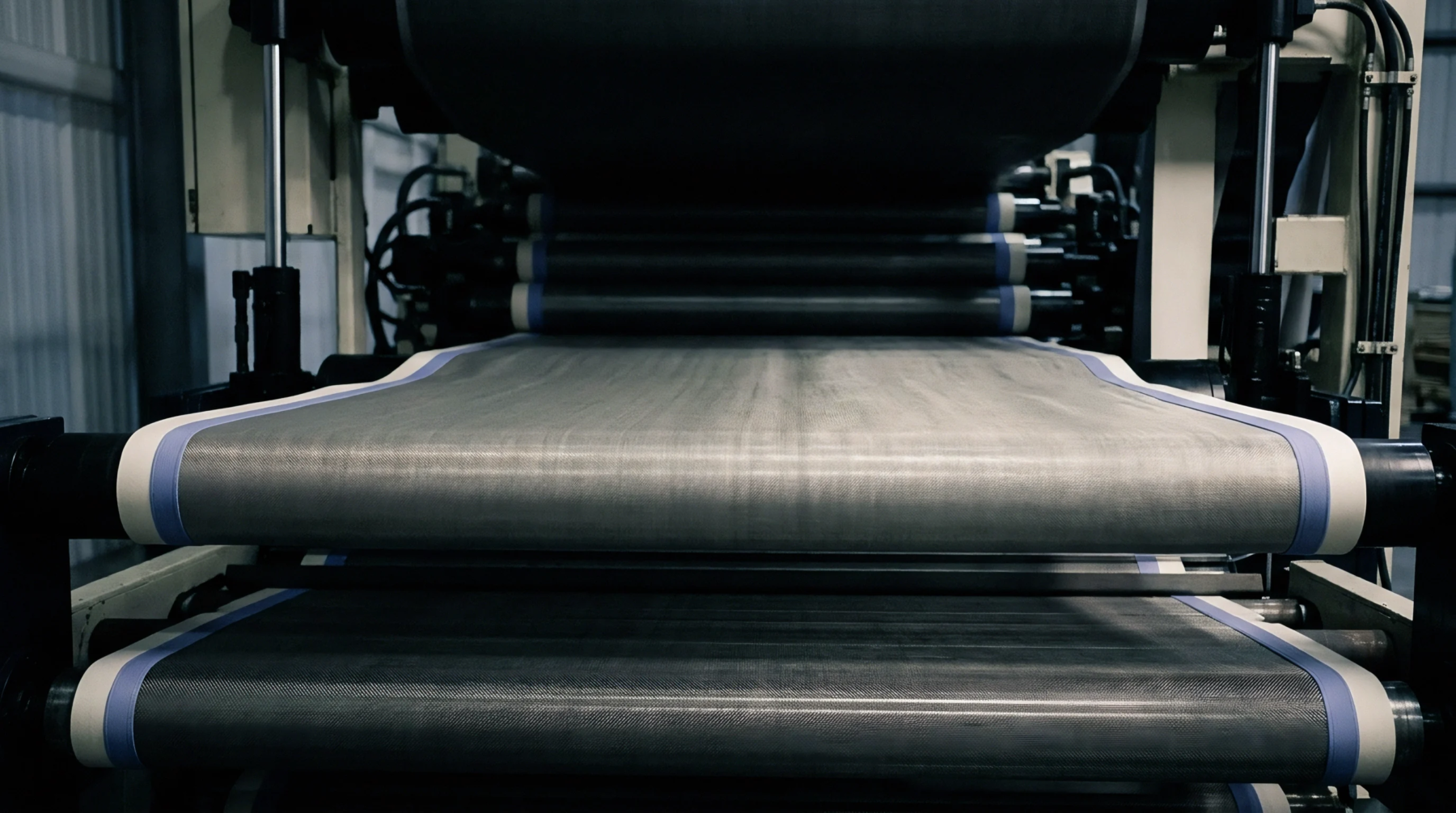
Structural stability describes the state where internal tension within a paper sheet reaches a natural point of rest. Fiber network relaxation occurs when the paper web loses its mechanical energy following the drying process. Cellulose chains move toward a zero stress state to stabilize dimensions.
Rapid drying often locks in high internal stress levels that cause sheet curling upon exposure to humidity.
Processing Dynamics
Moisture application determines the rate at which hydrogen bonds reform between cellulose fibrils. Pressures within a nip or heat during calendering disrupt existing bonds to allow for spatial reconfiguration. Controlled rewetting cycles permit the network to expand and shed trapped energy across the sheet surface.
Improper cooling cycles accelerate the development of latent stresses that hinder flatness. Consistency in environmental humidity prevents the sheet from undergoing secondary shifts during converting operations.
Performance Consequences
Dimensional stability requirements dictate the tolerance levels for residual tension in high speed printing applications. Excess energy trapped within the fiber matrix causes registry drift when the substrate encounters fountain solutions or heated dryers. Converting machines monitor these variations to adjust web tension settings in real time.
Flatness remains the primary indicator of how well the sheet navigated the final stages of moisture stabilization. Correct relaxation properties guarantee the substrate retains its form under external mechanical loads.