Chemical Modification
Cellulose chains gain mobility when plasticizing agents interrupt the intermolecular hydrogen bonds within the structure. Fiber plasticization describes this transition into a flexible state during the papermaking process. Agents like water or specific polyols force these bonds apart to reduce the stiffness of wood pulp fibers.
This change allows for increased density and conformability in the final sheet.
Physical Consequence
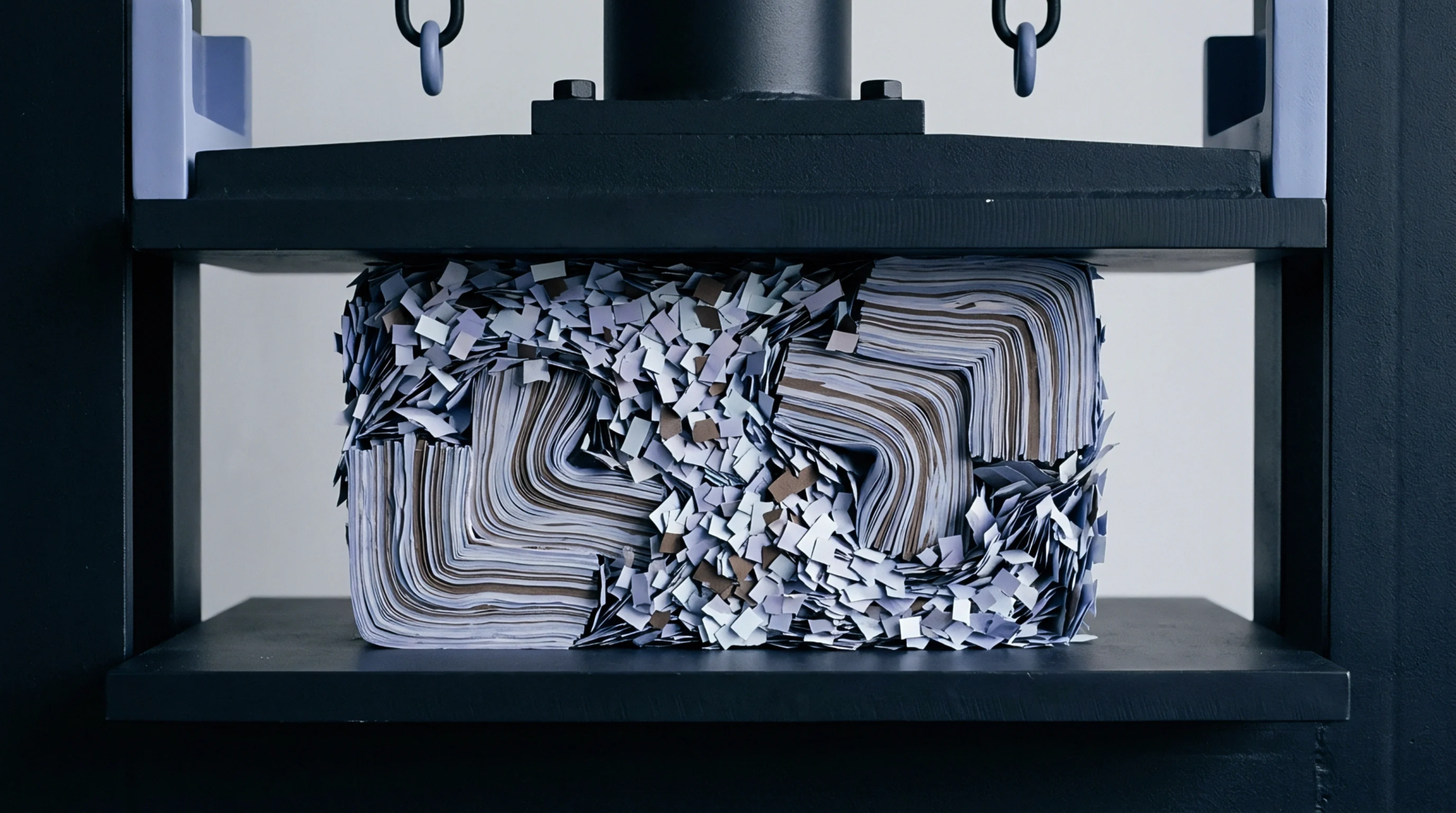
Mechanical refining works with these softened structures to create stronger inter-fiber bonding during the drying stage. Higher levels of moisture or additives permit individual fibers to collapse into ribbons, which increases the relative bonded area of the sheet. Dense paper grades like greaseproof or glassine rely upon this effect to close the porous structure of the web.
Converters demand this controlled deformation to ensure uniform calipers and consistent ink transfer across varying production runs.
Process Limit
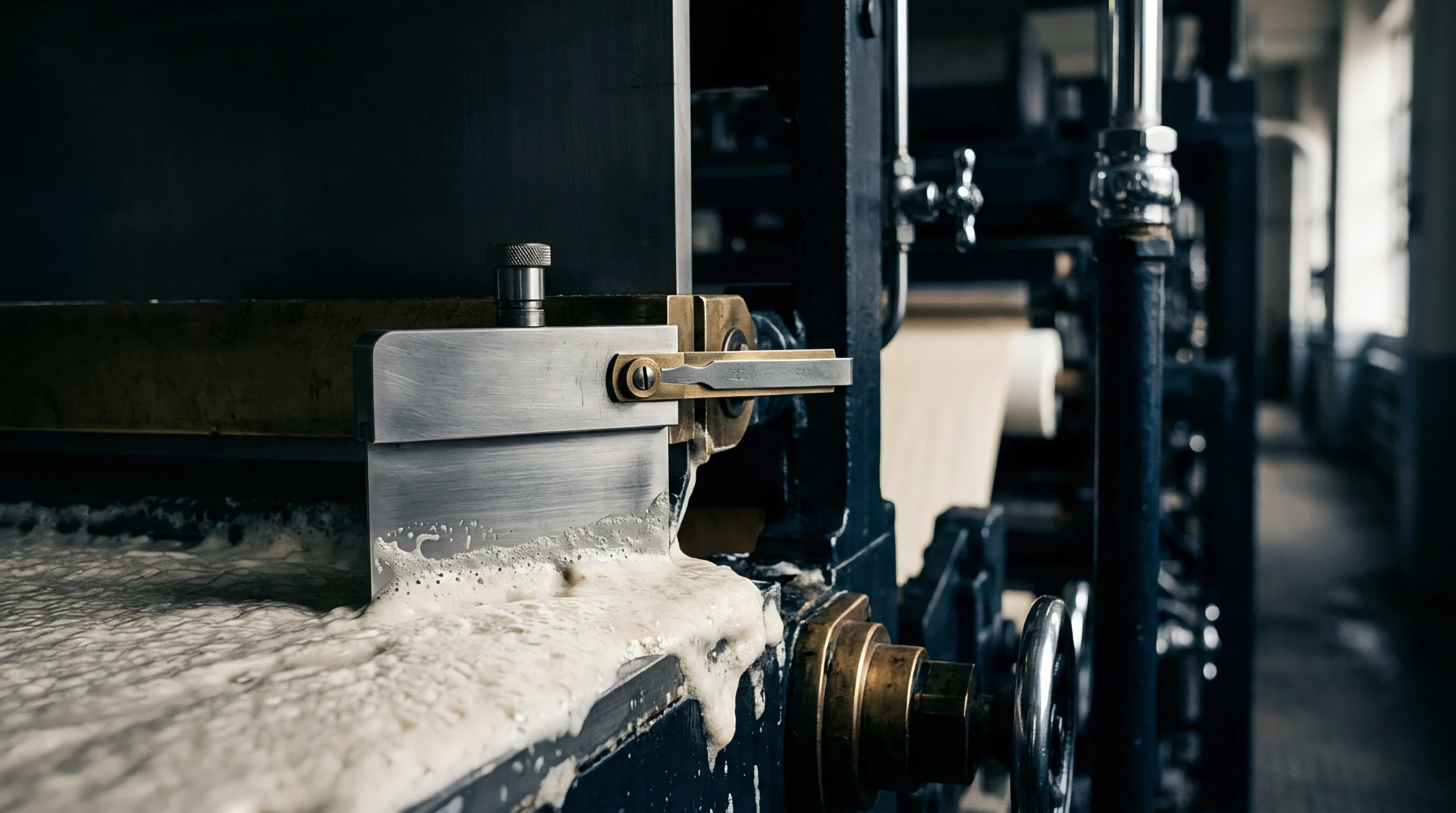
Excessive softening leads to a reduction in bulk and porosity which impairs the opacity of the final product. Papermakers manage this boundary by adjusting the temperature and the dosage of additives at the wet end of the machine. Controlled plasticization remains essential for maintaining the balance between sheet strength and the physical surface characteristics required for high quality print applications.