Dewatering Efficiency
Particle packing density determines the final moisture content retained within a pressed fibrous mass during industrial papermaking processes. Filter cake consolidation describes the physical rearrangement of solid particles under mechanical force to minimize internal void spaces. This compression phase typically follows the initial drainage of free water from the slurry as vacuum or pressure gradients pull fluid through the forming fabric.
The degree of compaction directly influences the energy required for downstream thermal drying stages because remaining interstitial water dictates the latent heat load. Residual moisture levels correlate negatively with the density of the deposited layer after force application reaches equilibrium.
Compression Mechanics
Effective solids migration happens as fluid pressure drops across the cake thickness during the transition from vacuum suction to mechanical pressing. A dense arrangement of fibers creates resistance to flow, which regulates the speed at which air replaces liquid within the pore structure. Smaller pores retain capillary water more strongly than larger channels, meaning that the particle size distribution of the furnish limits the achievable dryness.
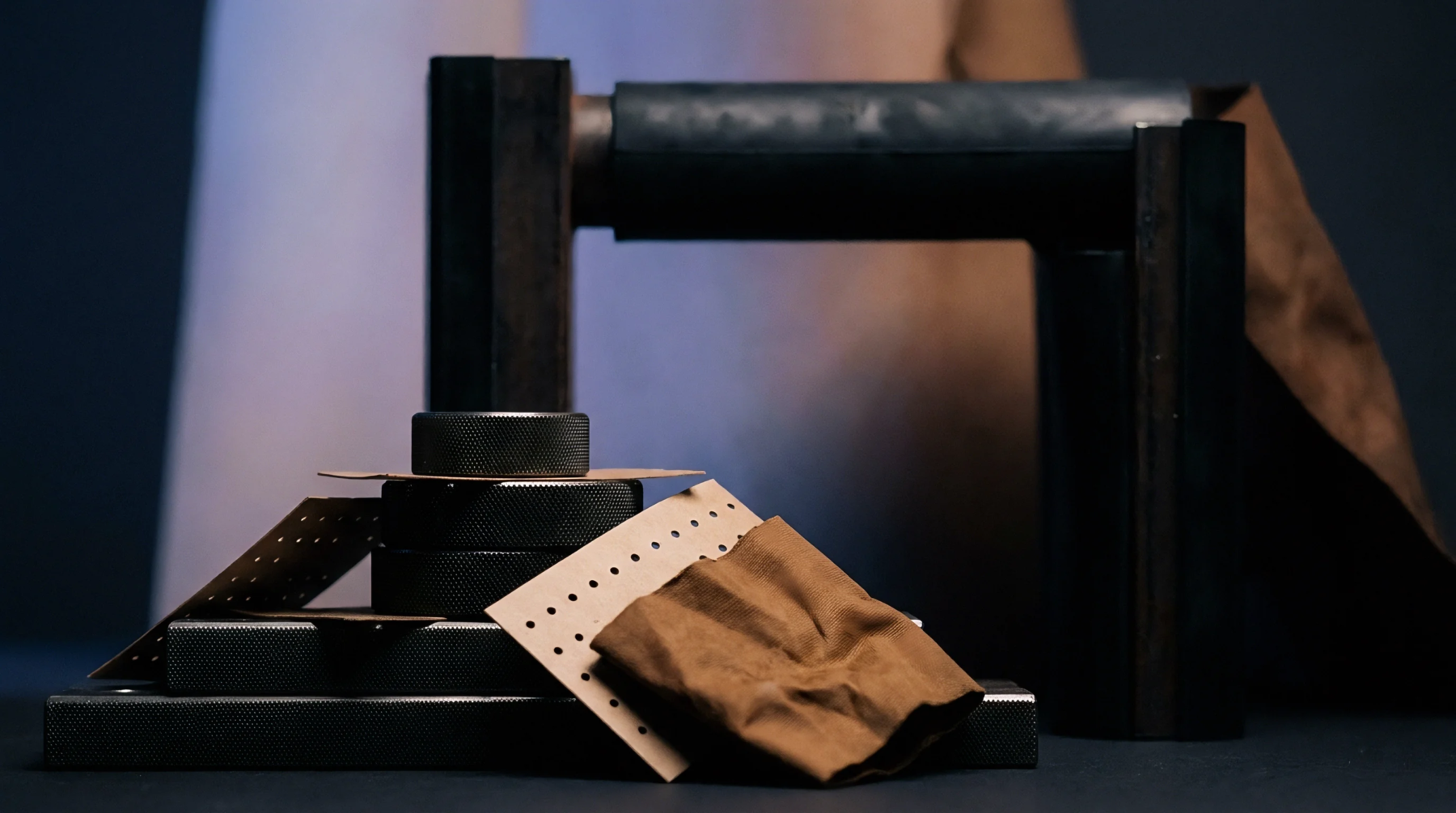
High mechanical load applied via rollers or nip zones forces these particles into a tighter geometry by overcoming the stiffness of the fiber matrix. Air permeability decreases as the void fraction drops, preventing further moisture removal once the internal gas channels pinch off. Consistent control of this phase prevents sheet crushing and maintains uniform basis weight profiles across the machine width.
Process Tolerance
Press section settings establish the operational range for cake density management to avoid excessive web compaction that disrupts paper structural integrity. Overloading the press nip ruins sheet bulk, a property essential for printing performance and opacity requirements. Variations in slurry consistency or freeness force operators to adjust loading pressures to keep the dryness target stable.
A stiffer cake structure supports higher mechanical force without losing caliper, whereas a highly hydrated pulp remains prone to plastic deformation under similar conditions. Achieving optimal consolidation minimizes the divergence in moisture profiles across the final roll. Higher press loads deliver lower energy costs per ton of finished paper until the structural threshold of the sheet is reached.