Coating Application
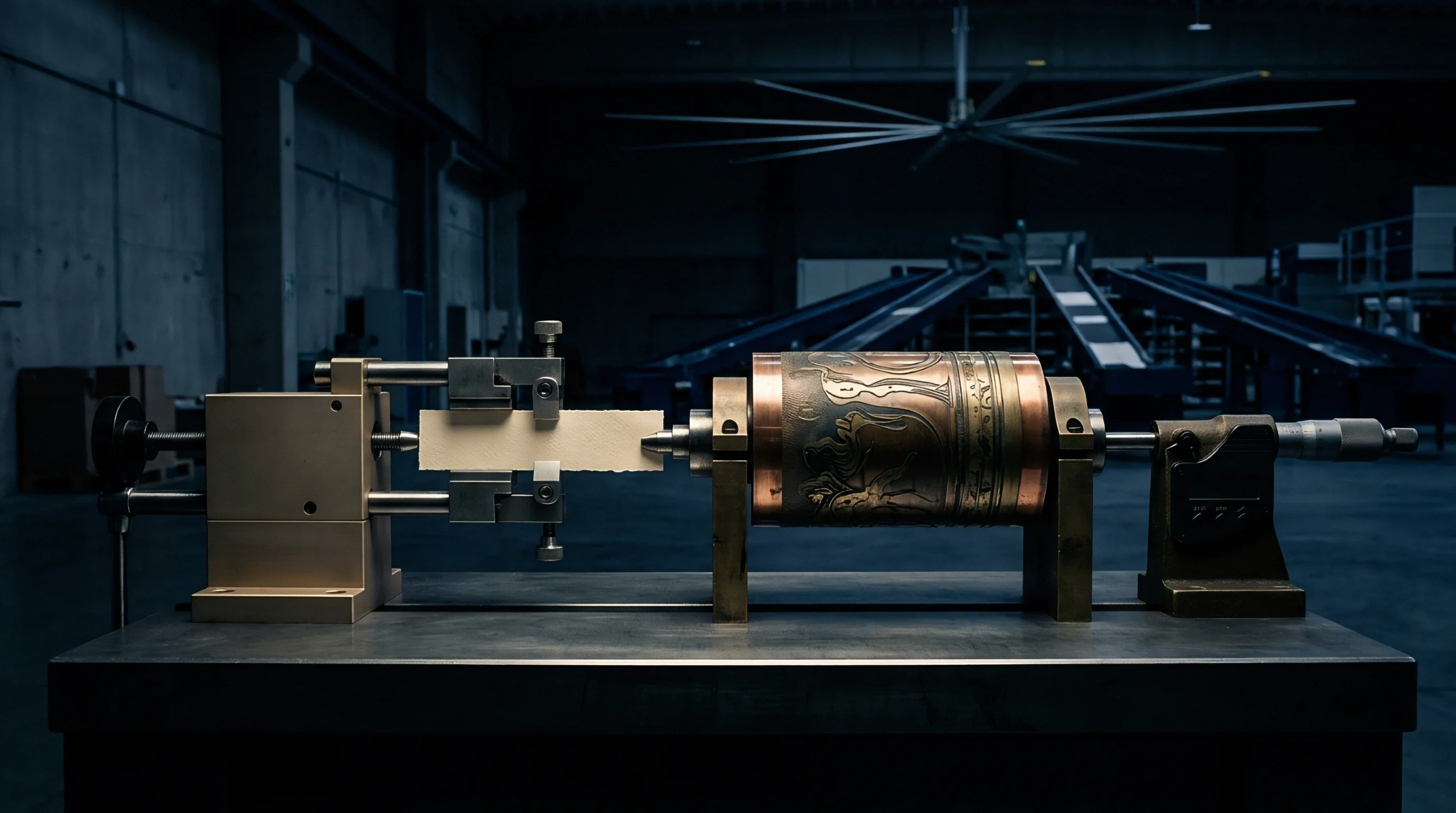
A modular station for liquid chemistry deposition rests on the delivery path of a high speed print unit. This flexographic coater tower handles the precise transfer of varnishes or functional barrier fluids onto a travelling substrate via an engraved anilox roll and a polymer plate. Precise control over liquid volume per square metre determines the efficacy of the finish against external moisture or mechanical friction.
Transfer Mechanism
Fluid management systems supply precise amounts of medium to the engraving cells of the anilox roll, which acts as the primary metering device. Excess liquid is removed by a doctor blade arrangement to ensure only the intended volume resides within the cell structure. A rubber or chambered ink delivery system prevents evaporation of the chemistry before it arrives at the printing surface.
Uniformity of the film weight across the web depends on the pressure balance between the plate cylinder and the impression cylinder. Proper maintenance of these mechanical interfaces allows for consistent product barrier performance across varied print runs.
Operational Tolerance
Variations in viscosity of the applied fluid necessitate immediate adjustments to the speed of the anilox rotation to keep the deposit consistent. Higher web velocities increase the difficulty of maintaining a stable meniscus at the point of contact between the plate and the material surface. Incorrect setup leads to film thickness deviation, which degrades the final protective properties of the finished packaging substrate.
Accurate calibration of the gap between cylinders prevents ghosting or uneven saturation patterns on the stock. Stable liquid management during the transition between the coating supply and the substrate determines the reliability of the output.