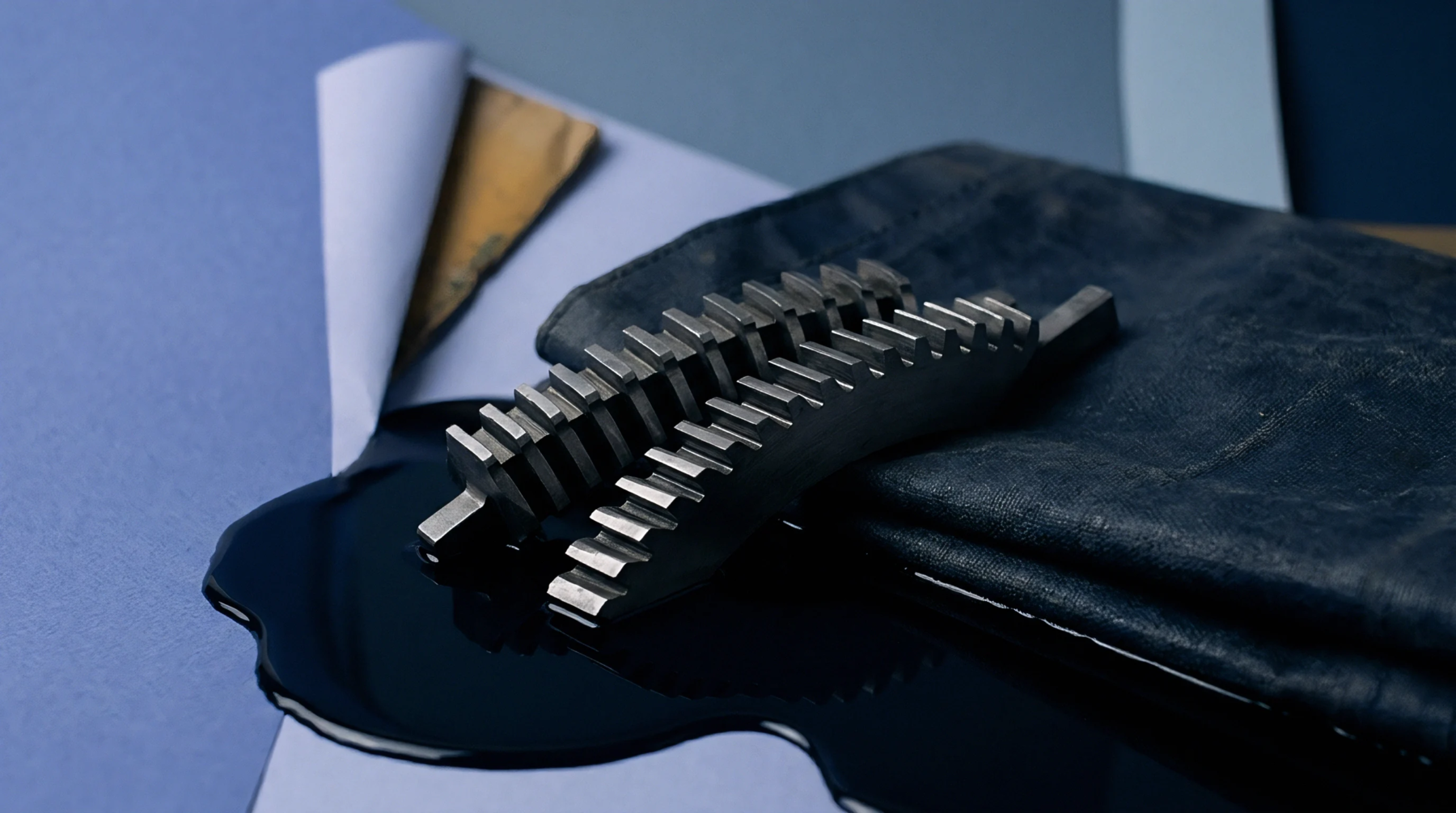
Filament Generation
Defect mechanism occurring during high-speed liquid adhesive application when fluid filaments fail to break cleanly at the dispensing nozzle or applicator roll. Continuous extrusion lines encounter glue stringing when elastic extensional stresses within the polymer matrix resist rapid capillary necking. Fine liquid threads extend from the point of application to moving carton flaps, depositing unwanted adhesive trails across printed board surfaces.
This behavior depends on the extensional viscosity and molecular weight distribution of the synthetic polymer binders rather than low-shear bulk viscosity. The phenomenon ceases to manifest when applicator speeds drop below critical extensional shear thresholds.
Rheological Control
High extensional strain rates during nozzle detachment stretch dissolved polymer chains into aligned, elastic strands. Water-based vinyl acetate emulsions exhibit increased filamentation when high molecular weight thickeners generate excessive viscoelastic memory. Lowering polymer polydispersity suppresses long thread persistence without compromising low-shear application viscosity or wet tack formation.
Adding low-molecular-weight surfactants alters interfacial surface tension, accelerating thread necking and promoting clean breakoff at the nozzle tip. Temperature adjustments in hot-melt systems similarly decrease extensional relaxation times, collapsing drawn threads before they reach passing packaging blanks.
Extrusion Boundary
Clean cut-off limits depend on nozzle geometry, fluid temperature and pneumatic cut-off valve timing. Exceeding maximum operational line speeds reintroduces web-like trailing filaments across non-glued folding panels.