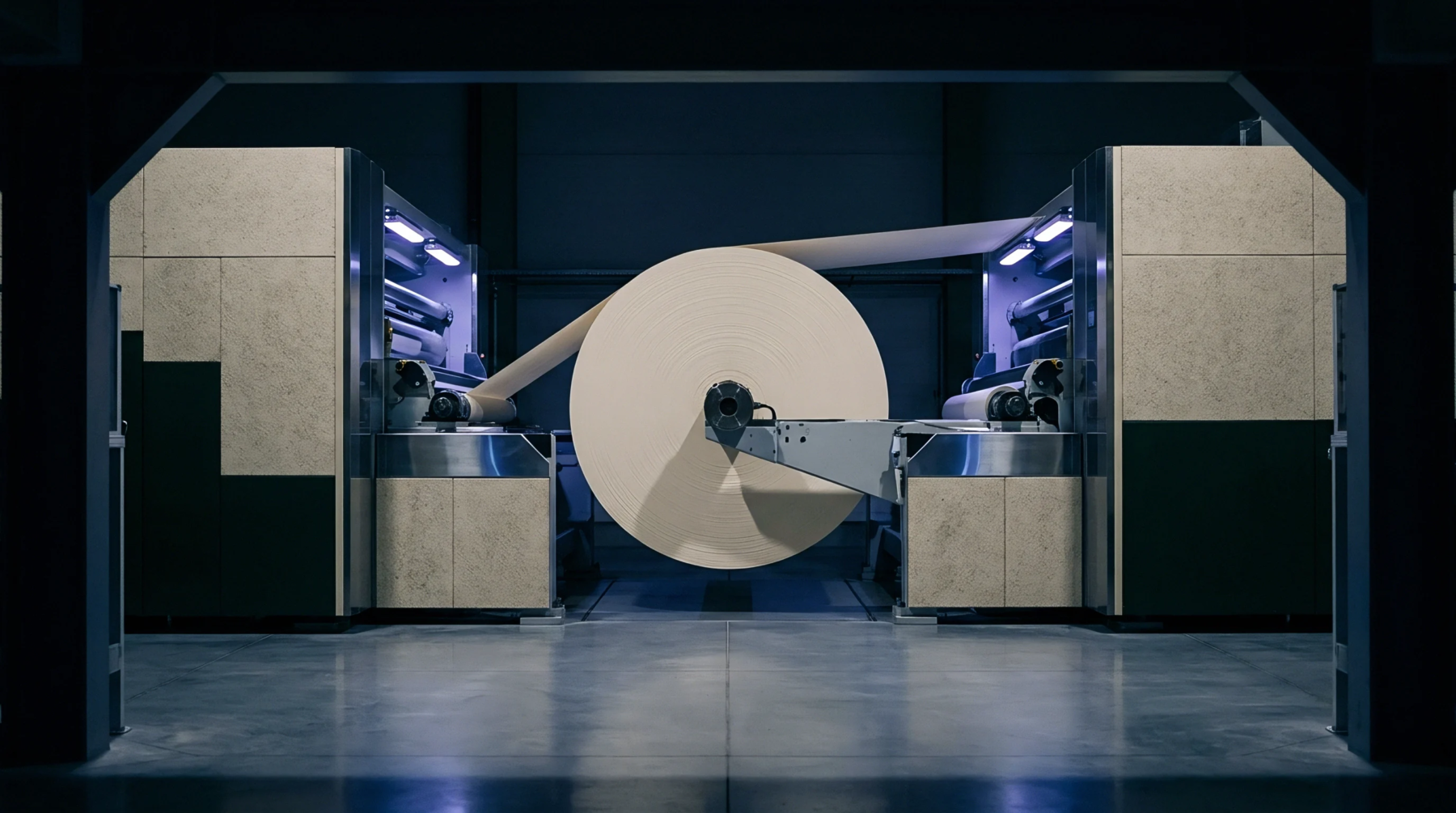
Air Flow Resistance
Pressure differential measurement across a fixed area of a sheet material identifies how much air passes through the pore structure within a specific interval. Gurley permeance represents the duration measured in seconds for a volume of one hundred cubic centimeters of air to displace through an area of one square inch under a constant pressure head provided by an inner cylinder. The standard units quantify the resistance to air passage and establish the density or openness of paper substrates.
This value functions as a metric for porosity and correlates with the refinement level of the pulp as well as the calendar load applied during manufacture.
Pore Architecture
Fiber orientation and the distribution of filler particles determine the path air must follow through the substrate. High gurley permeance results when extensive beating of the pulp stock reduces the size of interstitial voids between individual cellulose fibers. Coating layers or sizing agents block the surface openings and further increase the resistance to gaseous transmission.
Dense sheets with low air flow ratings provide better holdout for ink during printing because the binder cannot penetrate deep into the structure. Variations in the sheet formation affect the uniformity of these readings across a single roll.
Operational Tolerance
Converting lines such as vacuum fed packaging machines rely on stable air permeability to ensure reliable handling of individual blanks. Equipment using suction cups requires a specific range of suction to maintain consistent grip without dropping the stock or tearing the surface fibers. Excessively porous materials leak air to an extent that the vacuum pressure drops below the threshold needed for secure transport.
Producers verify these levels before shipment because substrates falling outside the narrow range create bottlenecks at the hopper. Consistent performance across different batches depends on the precise regulation of the pressing stage in the paper mill.