Adhesive Layering
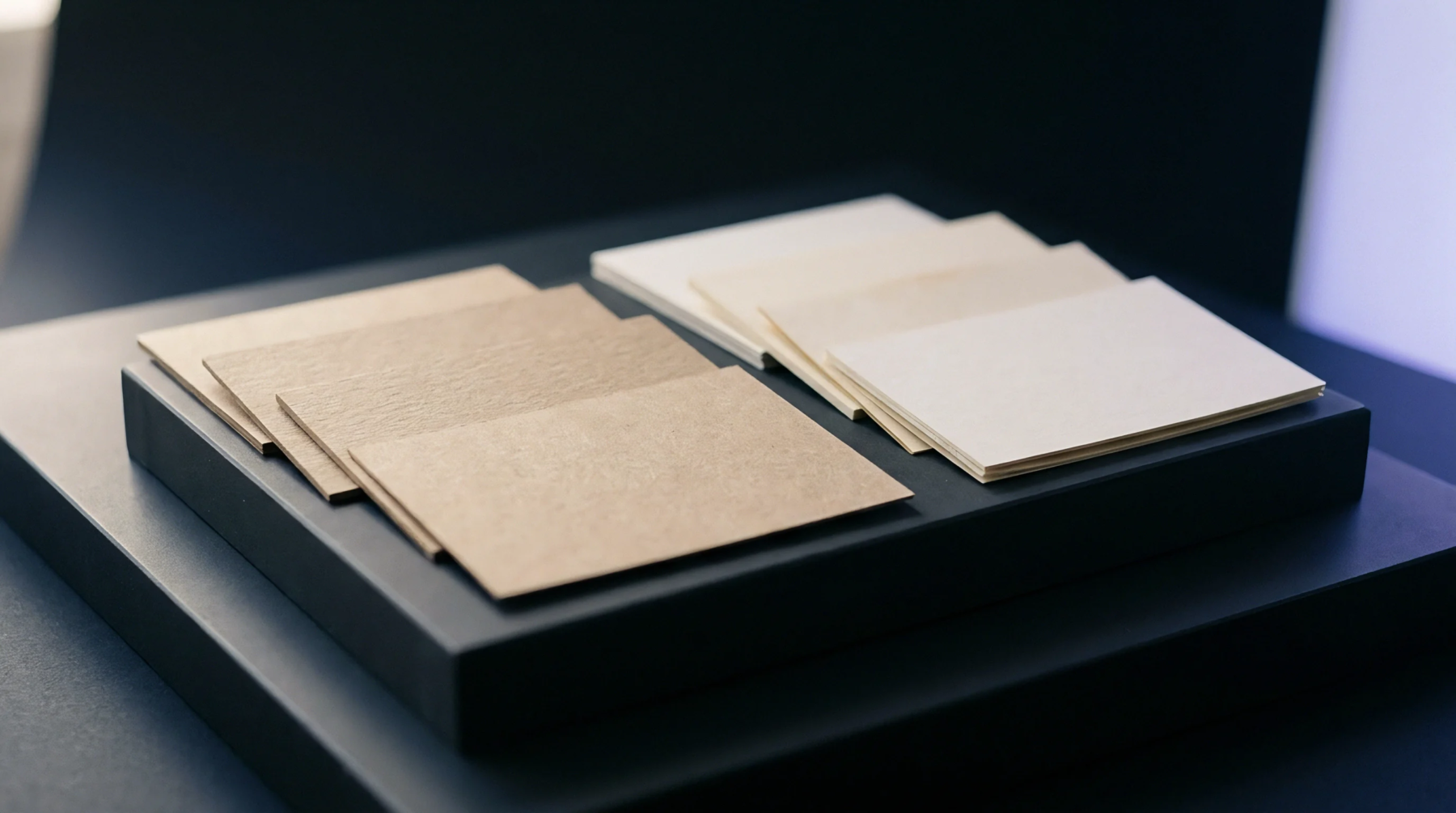
Application of cooked native or modified starch suspensions between wet cellulose layers on multi-ply paperboard machines enhances internal ply bond strength. Inter-ply starch bonding creates chemical hydrogen bonds across ply interfaces during web pressing and drying operations. Adequate bond strength prevents board delamination during die-cutting, scoring, and packaging converting.
The bonding effect stops governing structural strength if failure occurs within individual fiber plies rather than at interfaces.
Internal Structure
Multi-ply paperboard combines distinct pulp layers to optimize bulk, stiffness, and cost, requiring strong adhesion between adjacent fiber webs. Utilizing inter-ply starch bonding increases Scott bond values without adding heavy basis weight wood fiber. Spray booms or wet-end applicators deposit atomized starch slurry onto the lower web before joining with top plies at the wet press section.
Heat in the dryer section gelatinizes starch granules, flowing into fiber pores to establish a continuous adhesive matrix across the interface. Insufficient starch application or premature drying leads to ply separation under creasing and folding stresses on carton lines. Mill operators monitor gelatinization temperature and starch solids content to maintain consistent internal bond integrity across production runs.
Optimized inter-ply strength allows mills to replace expensive virgin fiber with recycled furnish while meeting packaging performance targets.
Operational Limit
Wet-end conditions and press nip moisture control limit starch absorption and gelatinization efficiency. Excess inter-ply starch bonding induces web stiffness variations or causes starch migration that impairs surface sizing performance. Wet web solids must remain within specific ranges at the spray position to allow starch penetration without washing out.
The bonding assessment becomes invalid if paperboard suffers water damage after drying.