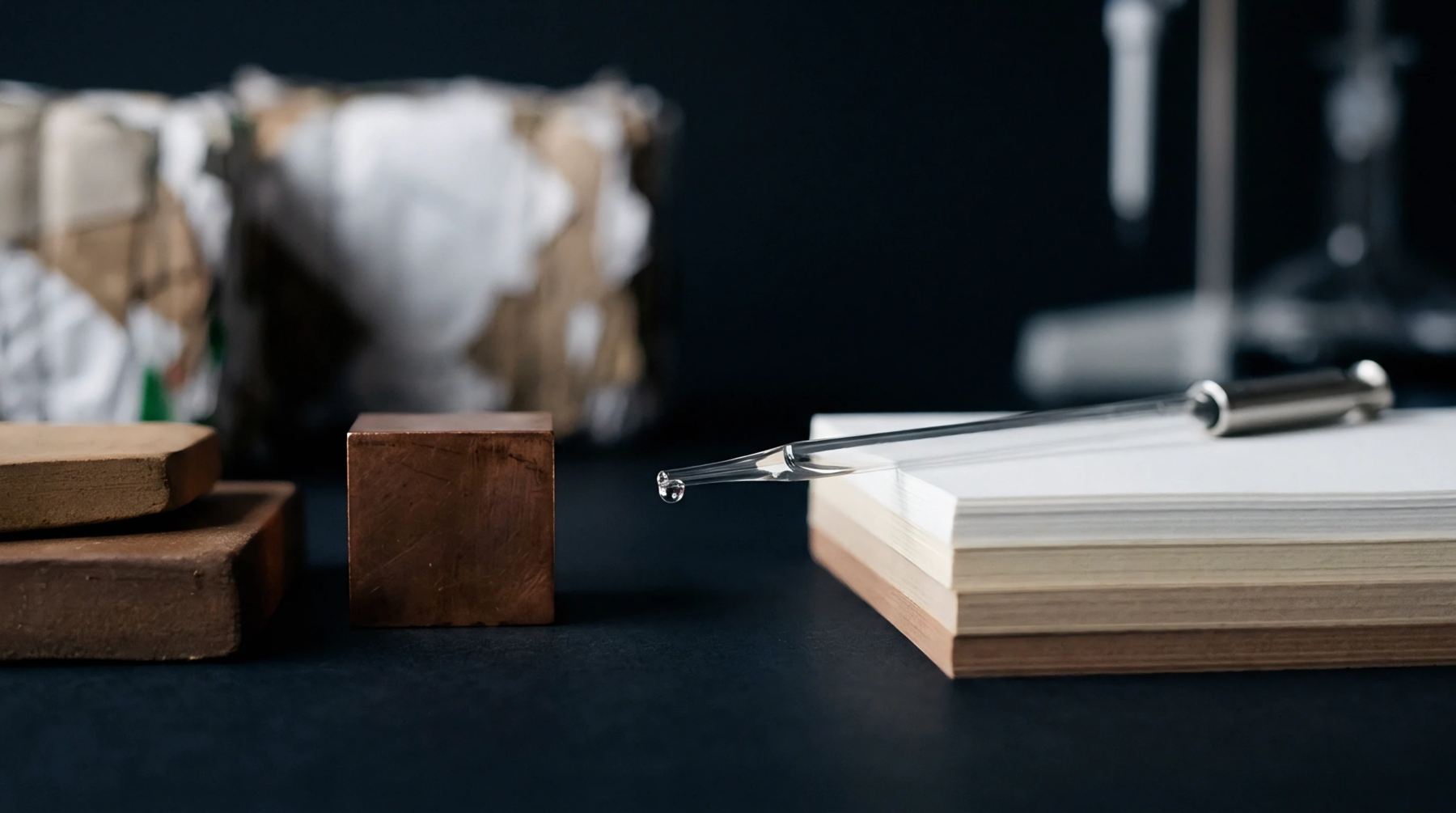
Moisture Balance
Specialized multi-ply paperboards engineered to resist warping or curling when exposed to fluctuating humidity levels remain flat during industrial processing. Achieving a lay flat paperboard requires a balanced fiber orientation and symmetrical moisture profiles throughout the sheet manufacturing process. As paperboard absorbs or releases moisture in a storage warehouse, it tends to curl if the top and bottom plies expand at different rates.
Controlling the water content and fiber alignment at the headbox of the paper machine avoids this structural deformation. This ensures that the sheets behave predictably under varying environmental conditions.
Structural Symmetry
Papermakers must construct the outer plies of the board with matching fiber characteristics and starch applications. In the creation of lay flat paperboard, any asymmetry between the print side and the reverse side leads to unbalance when moisture changes. Double-sided clay coating helps equalize the moisture barrier on both faces.
This balanced construction prevents the sheet from turning into a curved surface during dry storage.
Converting Efficiency
Flat sheets are essential for high-speed automated feeding systems in print shops and packaging plants. Using lay flat paperboard prevents jams in laser printers and folding-gluing machines. This runnability reduces waste and increases output rates during busy production campaigns.
The stable board accelerates the entire carton assembly line.