Surface Failure
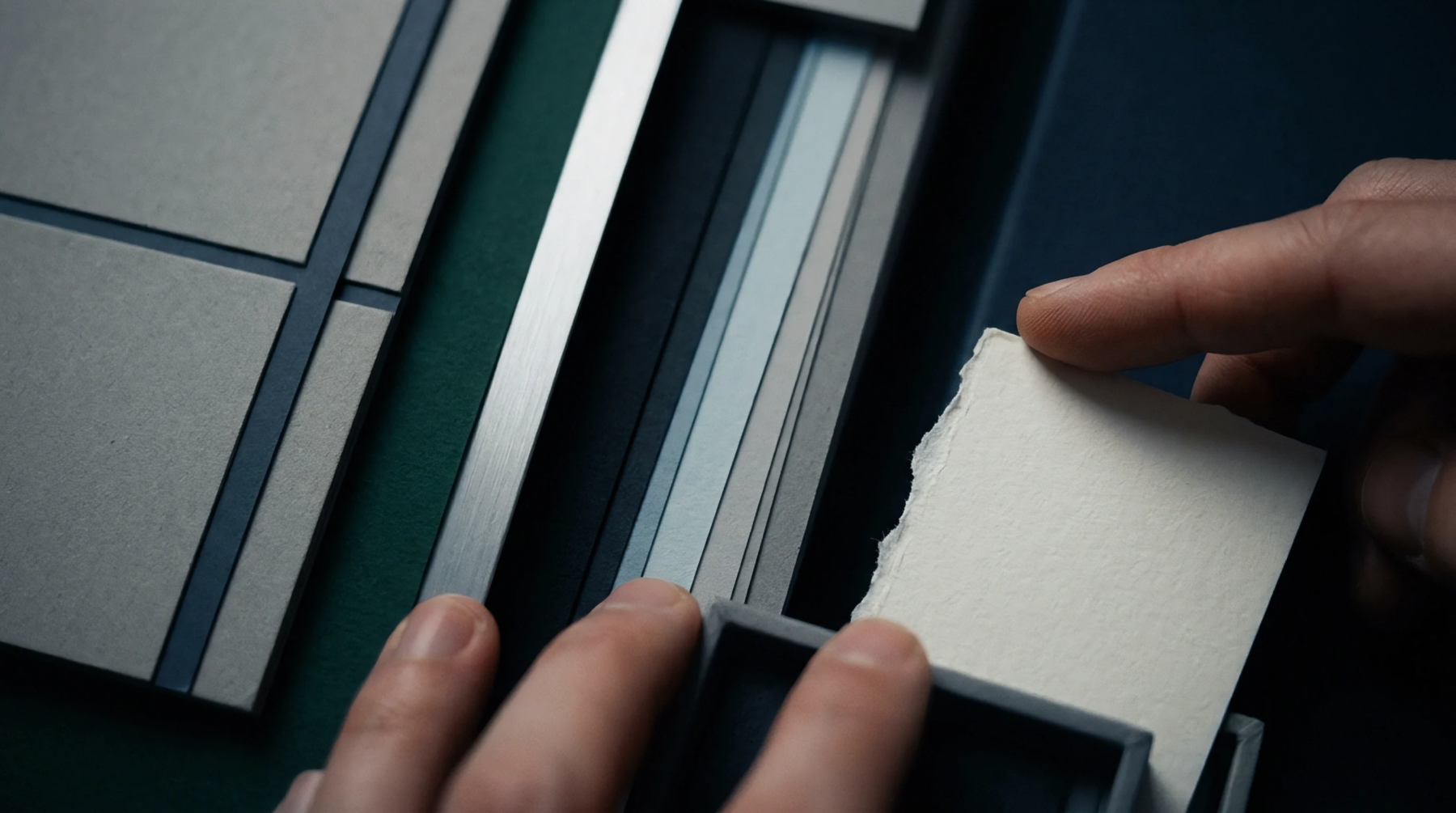
Tensile rupture describes the cracking or splitting of the outer layer of a corrugated or solid board during the folding process. This liner fracture occurs when the elongation capacity of the surface fibers is exceeded by the bending stress. Brittle fibers or low moisture levels increase the likelihood of such defects.
Visual appearance and structural strength both suffer when the integrity of the outer ply is compromised. The failure typically appears at the outer shoulder of a 90 or 180 degree fold.
Bending Limits
Tension on the convex side of a fold increases as the board thickness grows. If the crease geometry is too narrow, liner fracture develops as a sharp split along the score line. Different paper grades offer varying degrees of flexibility based on fiber length and starch content.
Short fibers typically fail at lower strain levels.
Protection Constraints
Integrity of the contents depends on the box remaining intact throughout the supply chain. A deep liner fracture weakens the corners and reduces the stacking strength of the finished container. Moisture management in the converting plant provides the primary defense against this type of failure.
Proper creasing parameters distribute the stress across a wider area to prevent localized breaking.