Surface Integrity
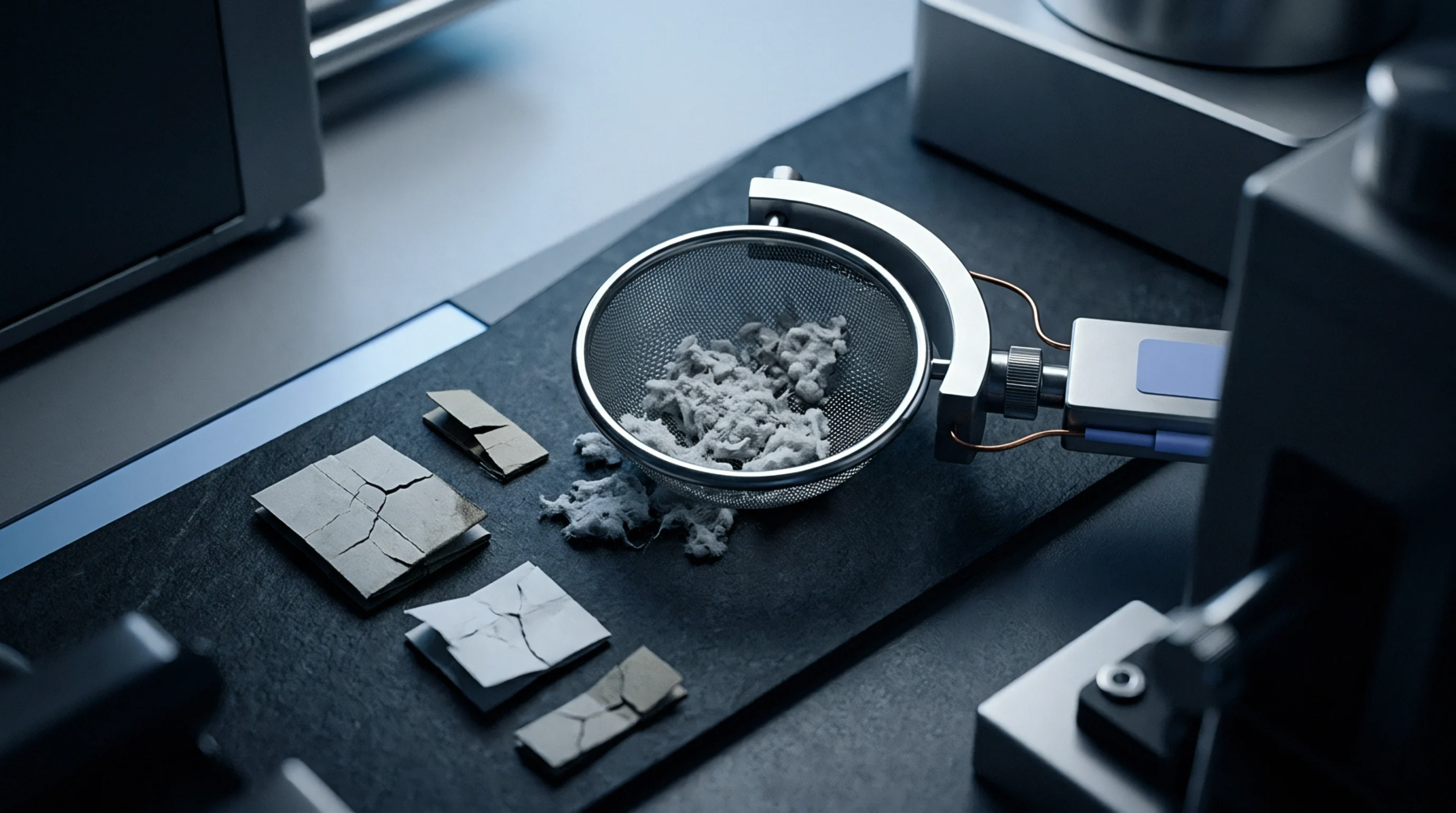
Pigment loading beyond the binder capacity within a printed layer creates a brittle structure prone to mechanical failure. Mineral coating cracking occurs when the rigidity of the clay or calcium carbonate particles exceeds the flexibility of the synthetic latex adhesive. This phenomenon leaves the substrate vulnerable to moisture ingress and toner adhesion deficits during subsequent offset or digital print passes.
Stress Threshold
Tensile forces applied to the sheet during folding or creasing accelerate the separation of the dried coating from the base paper fibre. When the internal bond strength of the coating layer drops below the mechanical strain induced by the converting equipment, the surface fractures into visible micro-fissures or macroscopic channels. These patterns often follow the line of the fold directly, though irregular spiderweb fracturing appears on surfaces subjected to high heat or extreme drying cycles in the production line.
High coat weights require a precise balance of binder additives to maintain a continuous film across the surface of the web. Low binder content produces a porous and weak matrix that succumbs to even minor handling during the packaging assembly phase.
Converting Impact
Printers identify this failure through visual inspection under magnification or by performing a standard tape test to check for loose pigment particles along the crease edge. High speed converting lines generate significant friction that exacerbates surface weakness on heavily coated stocks. Maintaining controlled humidity in the pressroom prevents the coating from becoming overly dry and prone to brittle separation during the folding operation.
Surface fracturing represents a failure of the coating formulation to accommodate the physical deformation demanded by high speed converting machinery.