
Mechano-Sorptive Creep Compliance Equations for Recycled Containerboard Assemblies
Mechano-sorptive creep compliance equations quantify box compression decay under moisture cycling, driving substrate selection for recycled containerboard.
Mechano-sorptive creep compliance equations quantify box compression decay under moisture cycling, driving substrate selection for recycled containerboard.

Cyclic humidity accelerates containerboard creep through mechano-sorptive strain, requiring increased compression safety multipliers for cold-chain transit.
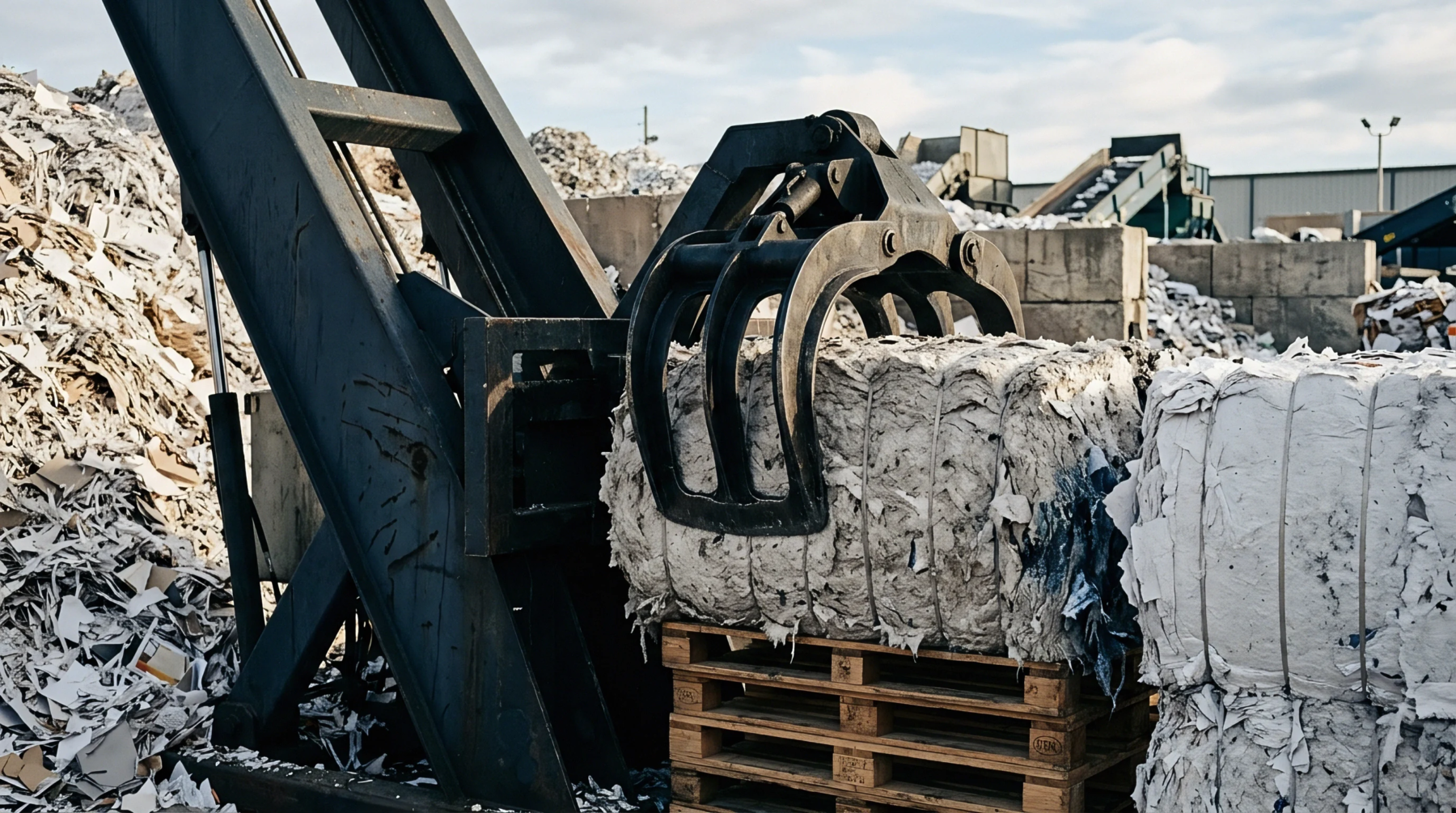
Dynamic relative humidity accelerates multi-ply secondary fiber board creep strain far beyond static predictions, requiring explicit constitutive derating factors.

Mechano-sorptive creep accelerates compressive collapse in recycled multi-ply packaging, requiring dynamic cyclic safety factors of 3.5 to 4.8.

Recycled board deforms faster during humidity cycles than at fixed humidity, needing barrier coats or safety margins to prevent stack failure.
Closed loop infrared profiling corrects paper tensile stiffness angles during drying to eliminate board twist, score splitting, and lamination curl.

Extrusion coatings resist humidity until creasing strain shears polymer-fiber bonds, opening edge-wicking pathways that inflate converting scrap.

Steady-state cup tests understate cellulosic moisture ingress; modeling requires concentration-dependent diffusivity and isotherms to prevent cargo collapse.

Interfibrillar swelling in recycled board plies generates interface shear stresses that fracture coatings and degrade stacking strength under cyclic humidity.

Moisture swings accelerate compression creep in recycled board through transient matrix softening and anisotropic thickness swelling that degrades stacking yield.
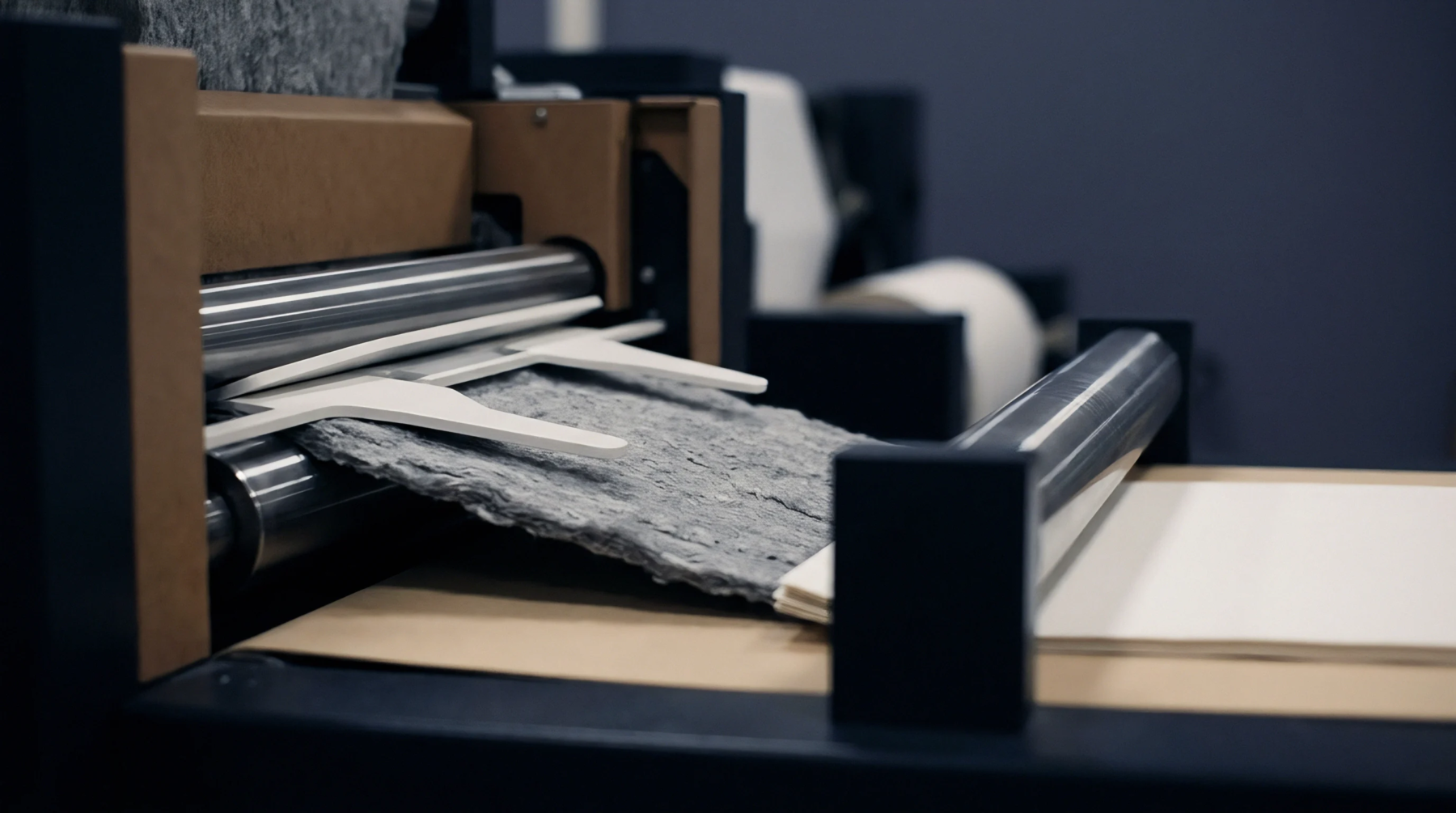
Viscoelastic transport modeling predicts humidity-driven micro buckling in recycled fluting to protect containerboard compression strength.
Expertise is a utility, not a secret. sentiention™ publishes its working knowledge as open reference: intelligence layer covering the materials it sources, the markets it enters, and the reference that serves both.