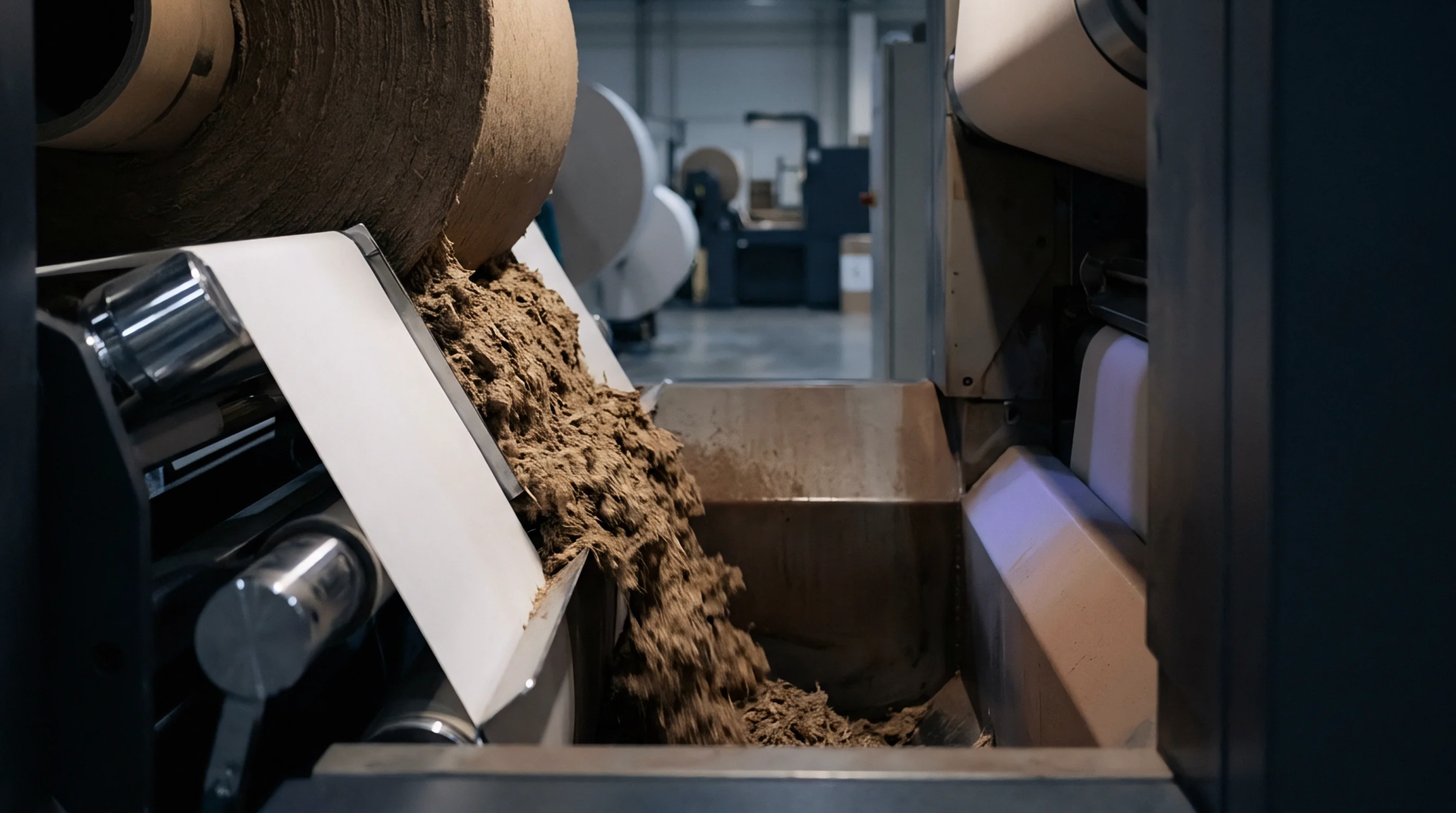
Structural Network
Interwoven chains of glucose molecules form the primary physical skeleton of paper and paperboard. The cellulose matrix consists of both crystalline regions that provide stiffness and amorphous regions that allow for flexibility. Within this structure, the individual fibers are held together by hydrogen bonds that determine the overall tensile strength of the sheet.
No chemical adhesive is required to maintain the integrity of the web when these bonds are formed during the drying process.
Interfiber Bonding
Water removal during the papermaking process brings the cellulose fibers into close contact, allowing the hydroxyl groups on the surface to interact. This bonding within the cellulose matrix creates a porous yet stable material that can support coatings and inks. The density of these connections depends on the level of refining or beating the pulp received before it reached the wire.
If the fibers are too short or the bonding is insufficient, the matrix will pull apart under the tension of a high-speed printing press.
Production Influence
Converting operations like folding or embossing rely on the ability of the fibers to shift without losing their collective strength. Because the cellulose matrix is hygroscopic, it expands or contracts depending on the ambient humidity of the storage environment. This dimensional change can lead to register issues during multi-pass printing or curling of the finished labels.