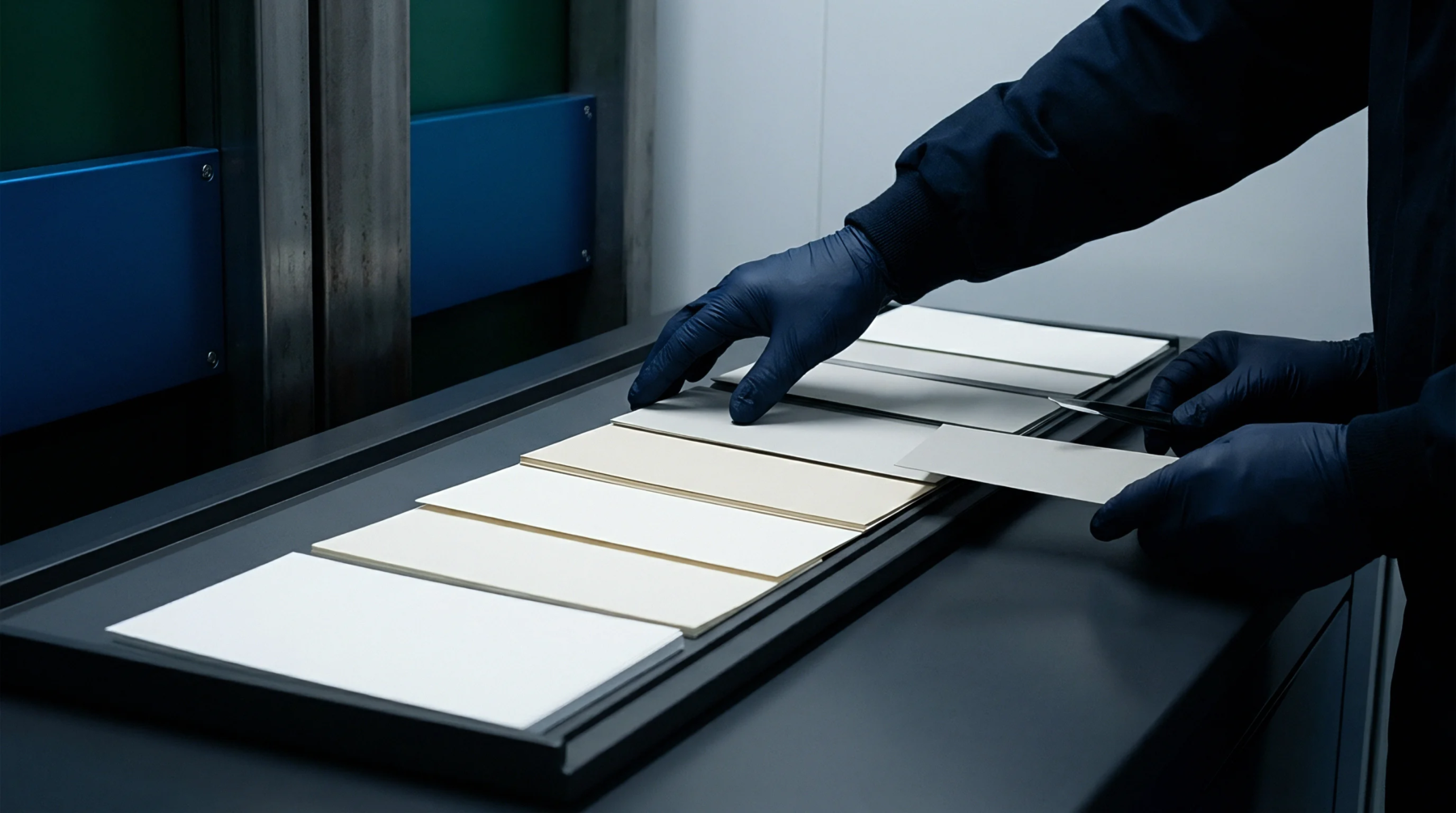
Material Strength
Physical testing parameters that measure the maximum hydrostatic pressure a sheet of paperboard can withstand before rupturing define the structural integrity of transit packaging. The parameter known as mullen burst pressure applies pressure through a rubber diaphragm to a clamped circular specimen. This test measures the multidirectional tensile strength and elongation of the board, which relates to how well the packaging protects its contents against rough handling.
Corrugated board manufacturers rely on this measurement to certify the puncture resistance of their boxes.
Testing Method
Hydrostatic pressure increases at a controlled rate during the test until the specimen bursts. The measured mullen burst pressure is recorded in kilopascals to provide a standardized metric of material strength. This procedure requires clean, calibrated equipment to ensure that the rubber diaphragm does not influence the pressure reading.
Performance Standard
Packaging specifications often mandate a minimum value for this physical property to ensure safe transit of goods. Boxes that do not meet the specified mullen burst pressure are more likely to rupture when stacked or subjected to sudden impacts. Because this metric correlates with the strength of the individual fibres in the board, mills adjust their refining processes to meet the required levels.