Conversion Enterprise
Industrial manufacturing facilities process raw paperboard mill rolls or sheets into finished folding cartons and corrugated boxes. A packaging converter performs printing, die-cutting, folding, and gluing operations to transform flat substrate materials into functional containers. The enterprise operates at the intersection of raw material supply and brand packaging lines, stopping short of filling product contents or managing retail display distribution.
Manufacturing Sequence
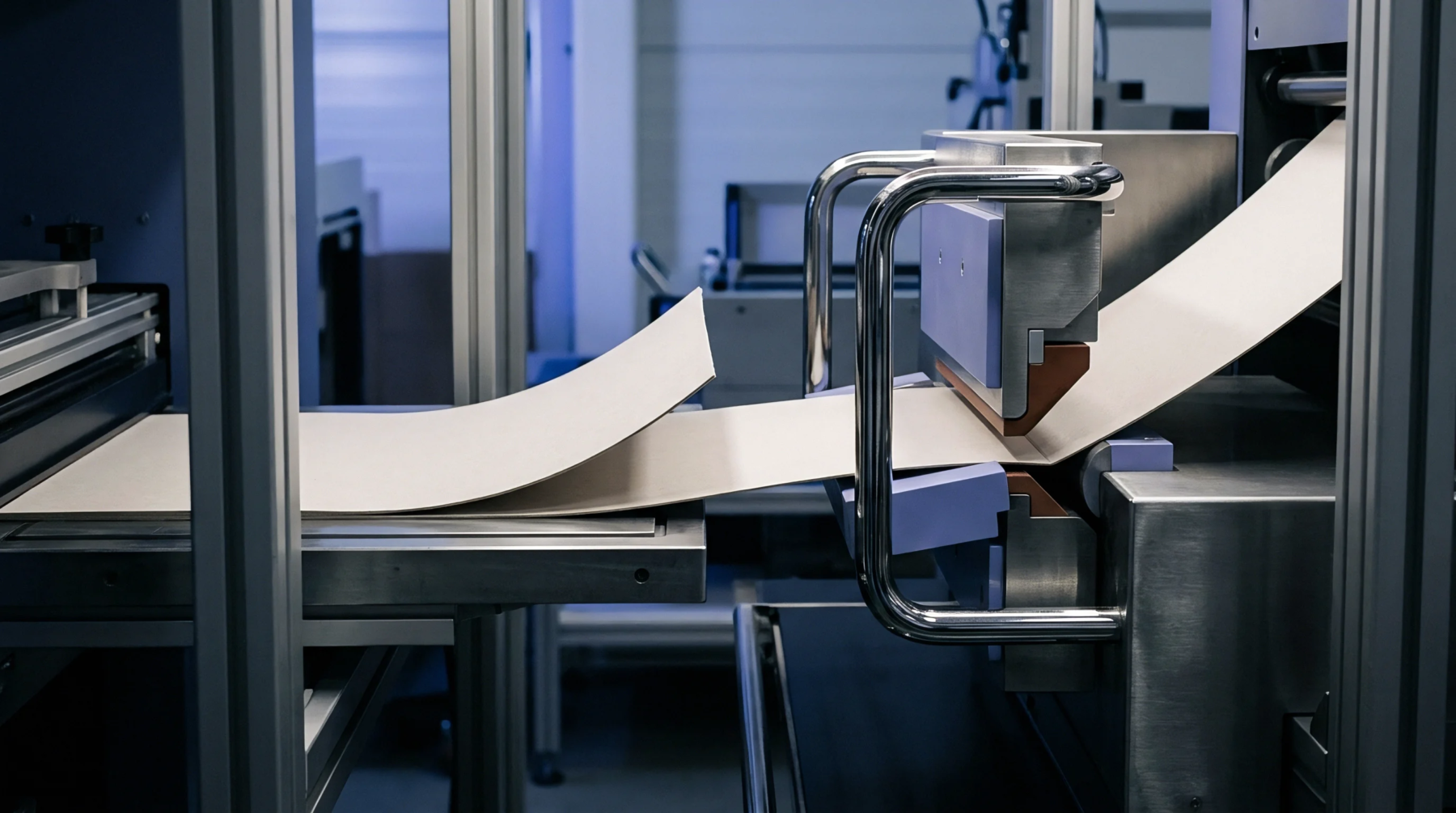
Incoming mill rolls undergo flexographic or offset printing to apply graphics, protective varnishes, and functional barriers. Following ink curing, the substrate moves to flatbed or rotary die-cutters where creasing rules score hinge lines and steel knives sever outer carton contours. Matrix strippers remove waste blank margins before individual blanks feed into high-speed folder-gluers.
Cold resin or hot melt adhesives apply to glue flaps before folding arms compress side seams at speeds reaching four hundred metres per minute. Quality control systems monitor ink density, crease torque, and glue line placement to prevent defective cartons from reaching high-speed customer filling lines.
Operational Scope
Processing limits depend on machine width, maximum board caliper, and substrate rigidity. Facility responsibilities end once finished cartons are palletized, wrapped, and shipped to consumer goods packaging plants. Raw paper making and pulping processes remain entirely outside this operational boundary.