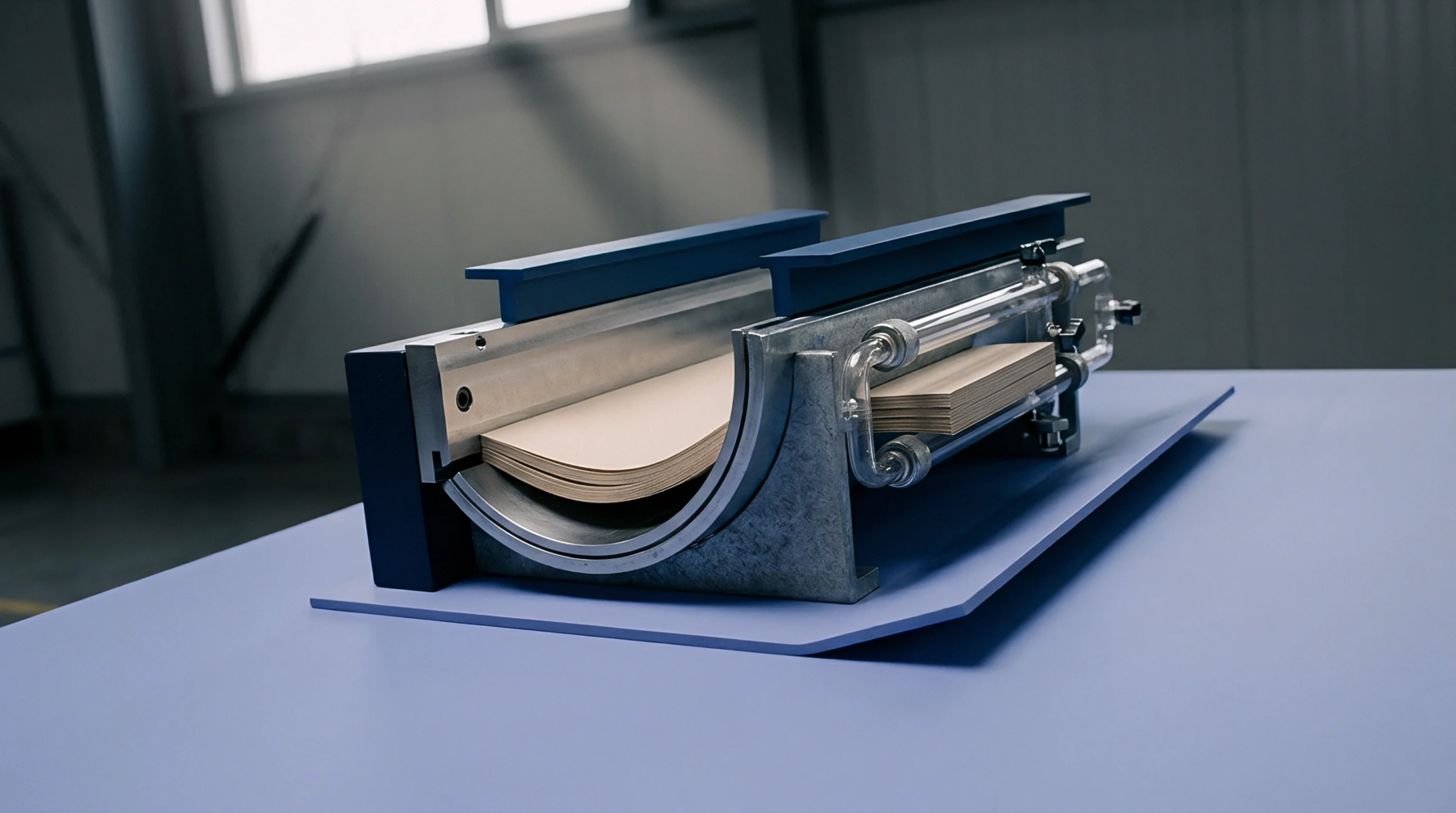
Structural Deformation
Dimensional instability in a corrugated board container occurs when the interior pressure from contents exceeds the resistance of the outer liner and fluting. Panel bulging indicates a loss of board rigidity usually caused by excessive moisture gain or inadequate internal support mechanisms. This condition limits stack height in warehouses and undermines the structural integrity of the shipping unit.
Pressure Distribution
Internal forces act upon the vertical walls of a container whenever the contained product exerts weight or volume against the fibre matrix. When the contents settle or expand, the physical mass pushes against the paperboard surfaces. Flat surfaces lose their planar geometry under this force and create a curved profile instead.
Heavy liquids and shifting granular solids concentrate this stress at the center of each panel. Fibre orientation determines how well the material resists this deflection during extended storage periods. Vertical columns of flute provide the primary defense against such outward pressure but lose performance as the corrugated medium absorbs ambient humidity from the storage environment.
Conversion Tolerance
Finished boxes must meet specific caliper standards to function during automated palletizing processes. Equipment manufacturers design filling lines to process standard box dimensions with narrow margins for deviation. A bulge forces the carton outside these narrow limits and causes jamming in conveyor guide rails.
Automated systems identify these irregular shapes as jams or faults and trigger a stoppage of the entire line. Consistent board sourcing and controlled curing periods at the manufacturing plant prevent this misalignment. Higher grammage liners mitigate the likelihood of wall deformation during long distance transit.
Quality control measures reject any units that exceed defined deflection limits before these arrive at the automated filling stations.