Thermal Insulation
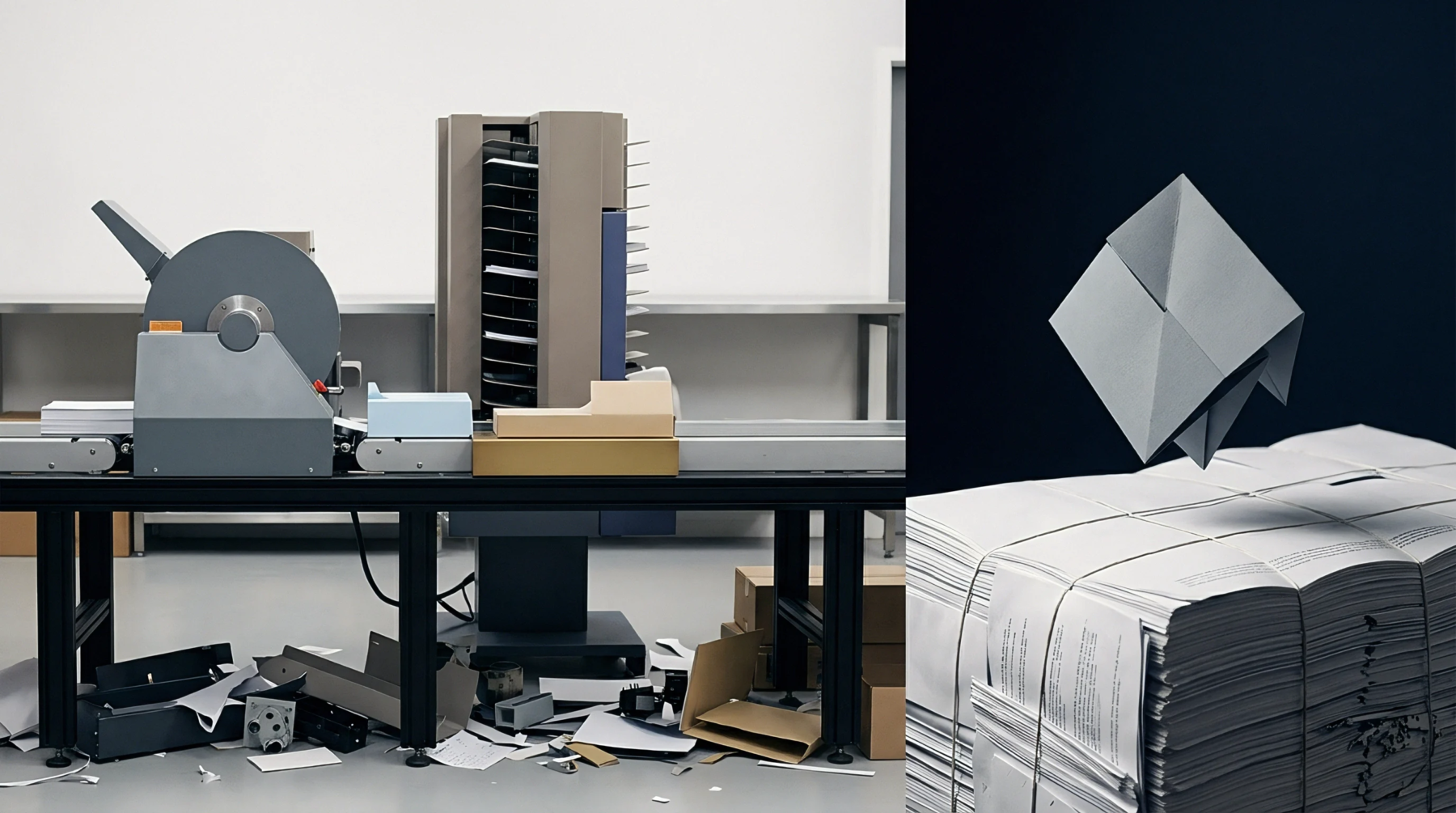
Thermal energy trapped within a stack of printed or converted sheets influences the rate of ink curing and the potential for chemical reactions between layers. Pile heat retention occurs because the mass of the board acts as an insulator, keeping the center of the stack at a higher temperature than the outer edges for several hours. This warmth can accelerate the drying of oxidative inks or cause thermoplastic coatings to soften and block.
It is a primary concern in high-volume offset printing.
Chemical Reaction
Large stacks of paper hold onto the heat generated by ultraviolet lamps or infrared dryers used during the printing process. Under the conditions of pile heat retention, the residual heat can trigger a secondary curing of the ink or a migration of solvents through the substrate. This can lead to a change in the color or the odor of the finished product.
If the temperature remains high for too long, the sheets may fuse together. Monitoring the core temperature of the pallet is a standard quality control measure.
Post-Press Cooling
Cooling the pallets before shipping prevents the bonding of adjacent sheets. Excessive warmth in the center of the stack is the most frequent cause of blocking in printed board. Proper airflow around the pallets helps to dissipate this energy more quickly.