Contact Mechanics
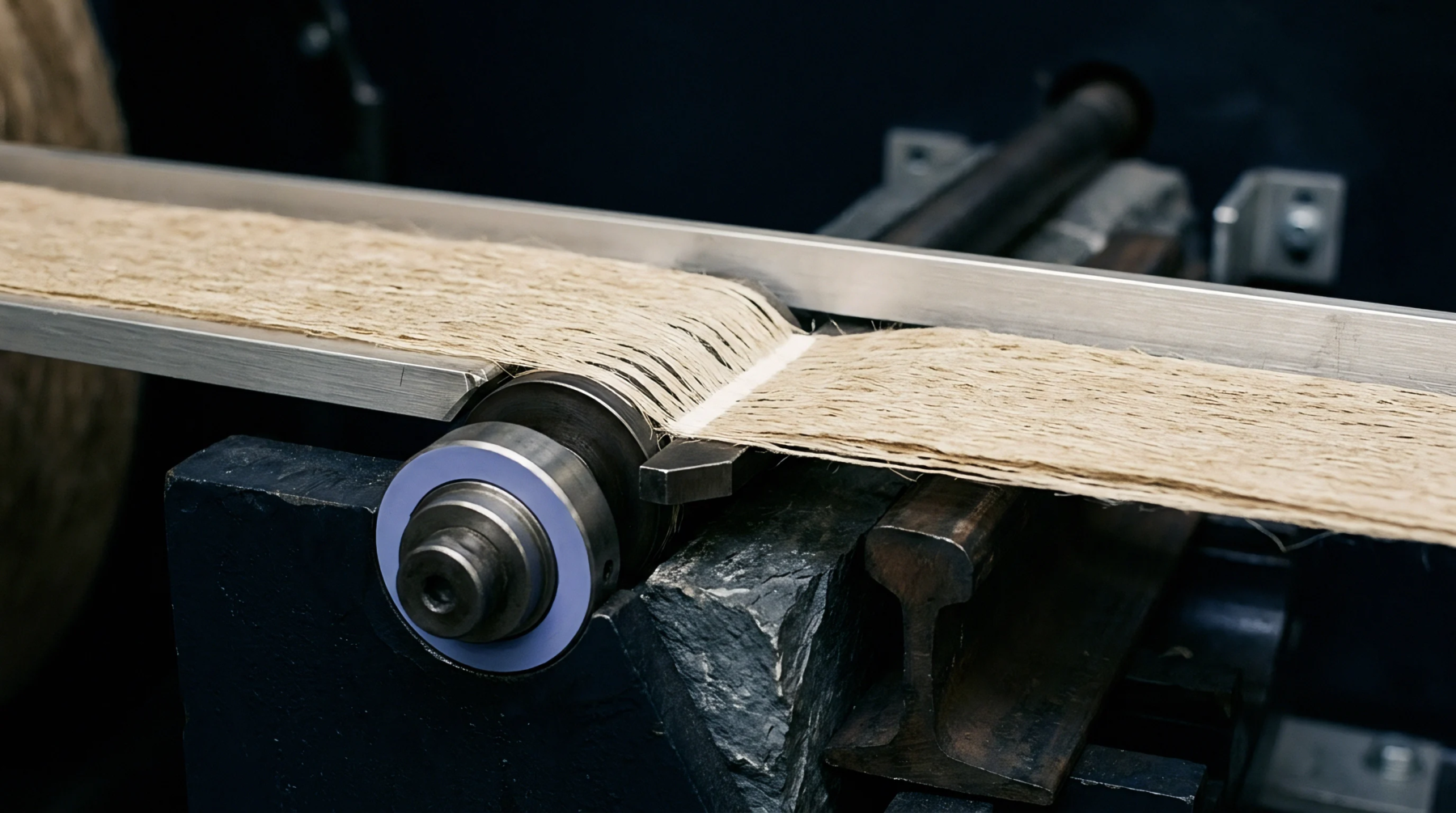
Flatbed die-cutters and embossing presses apply uniform compressive force across flat surfaces to shear or deform paperboard blanks. The mechanical engagement known as platen impression drives cutting rules and creasing dies into substrate sheets positioned on the cutting plate. Accurate impression tonnage ensures complete rule penetration through heavy paperboard without damaging cutting edges or crushing adjacent score lines.
Heavy cast-iron or forged steel platen frames absorb multi-ton impact forces during continuous operating cycles.
Precision Setting
Makeready adjustments calibrate local pressure variations across the press bed to compensate for frame flexure and tool height tolerances. Correcting platen impression requires placing thin paper shims behind cutting plates or adjusting motorized wedge drives behind the press toggle mechanism. Inadequate pressure leaves uncut paper fibers and incomplete nick separation, causing blanking section jams and defective packaging blanks.
Excessive impression forces dull steel cutting rules rapidly, crush board flute structures, and cause micro-cracks in die-cutting press frames. Modern converting presses integrate electronic load monitoring to maintain constant impression depth across extended production runs.
Mechanical Limit
Press frame thermal expansion during long operating shifts alters platen impression depth, requiring periodic recalibration. Running heavy board grades at maximum tonnage accelerates mechanical wear in toggle linkages and eccentric drive shafts. Operating beyond rated platen impression limits causes permanent frame distortion and catastrophic tool failure.