Structural Architecture
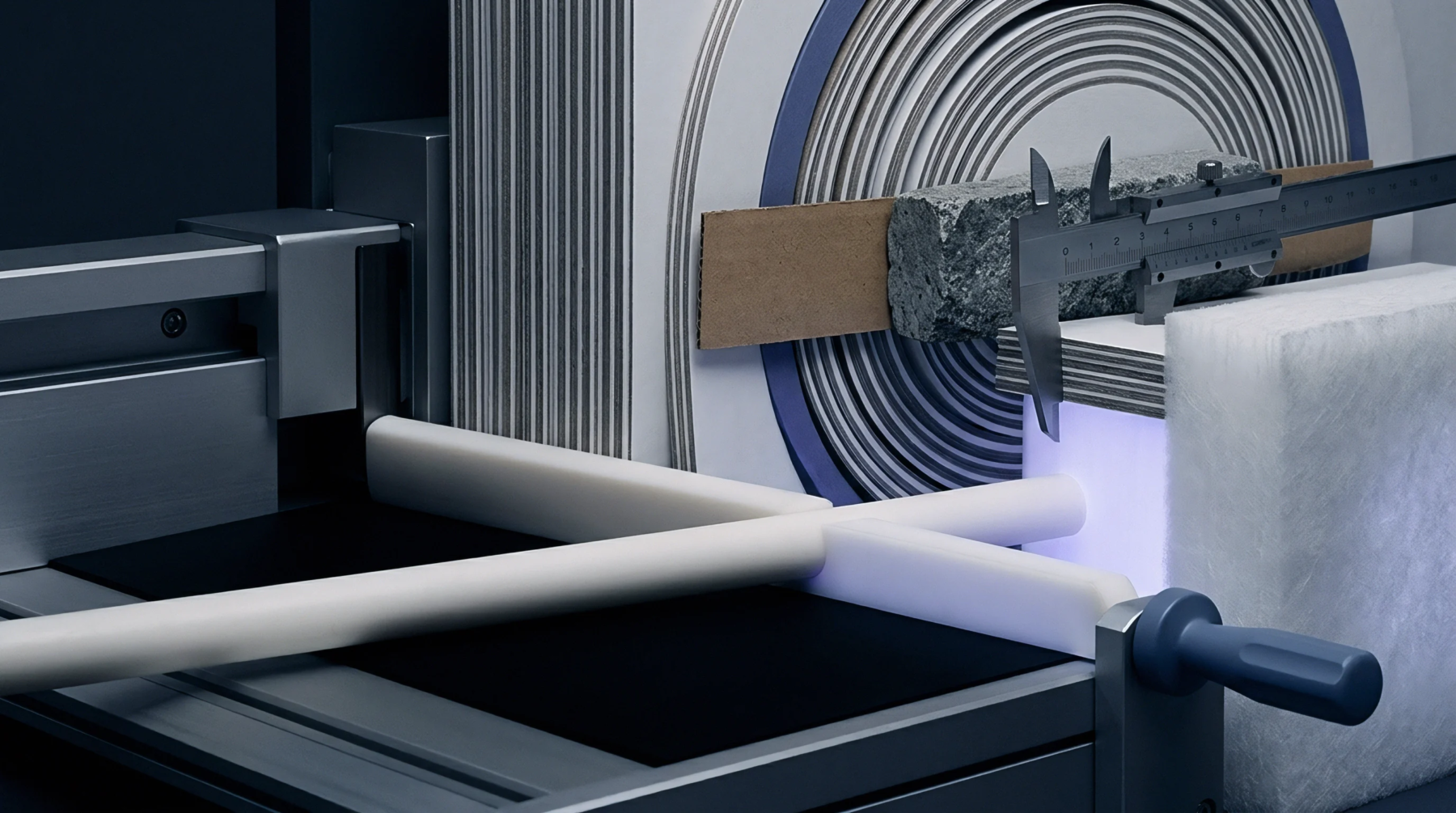
Discrete paths within synthetic resin compositions direct the flow of additive particles toward specific zones during extrusion or coating processes. A polymer matrix channel functions as a regulated conduit that controls the distribution of reinforcing agents or conductive fillers within a liquid or molten substrate. Flow rates respond to thermal gradients and pressure differentials managed at the dispensing nozzle.
Accurate alignment of these internal geometries prevents localized clumping that weakens the finished film or molded stock.
Mechanical Function
Uniformity in the final product relies on the precise geometry of the flow path defined by internal wall friction and cavity volume. Small deviations in channel cross-sections induce uneven shear stress across the material stream. High stress gradients result in uneven fibre orientation or pigment streaking that compromises the structural integrity of the resulting material.
Maintaining stable operating temperatures throughout the channel prevents viscosity fluctuations that alter the path of dispersed components.
Process Integration
Converters utilize these engineered passages to inject barrier coatings or specialized ink pigments into a carrier medium without disrupting the bulk material properties. Correct selection of channel material and diameter prevents surface buildup that distorts the delivery pattern during long production runs. Stable flow behavior ensures that chemical additives remain suspended in the intended concentration throughout the entire conversion cycle.
Effective management of these zones dictates the uniformity of the barrier performance across the full width of the substrate.