Polymer Integrity
Synthetic films constructed from ethylene or propylene derivatives inhibit the migration of moisture and atmospheric gases through paperboard packaging. A polyolefin barrier protects sensitive contents by creating a dense molecular lattice that resists permeability across a wide temperature range. Converters apply these layers through extrusion coating or adhesive lamination to modify the porous nature of cellulose fibers.
Manufacturers select specific resin densities to achieve the required vapor transmission rates for food or industrial applications.
Process Requirement
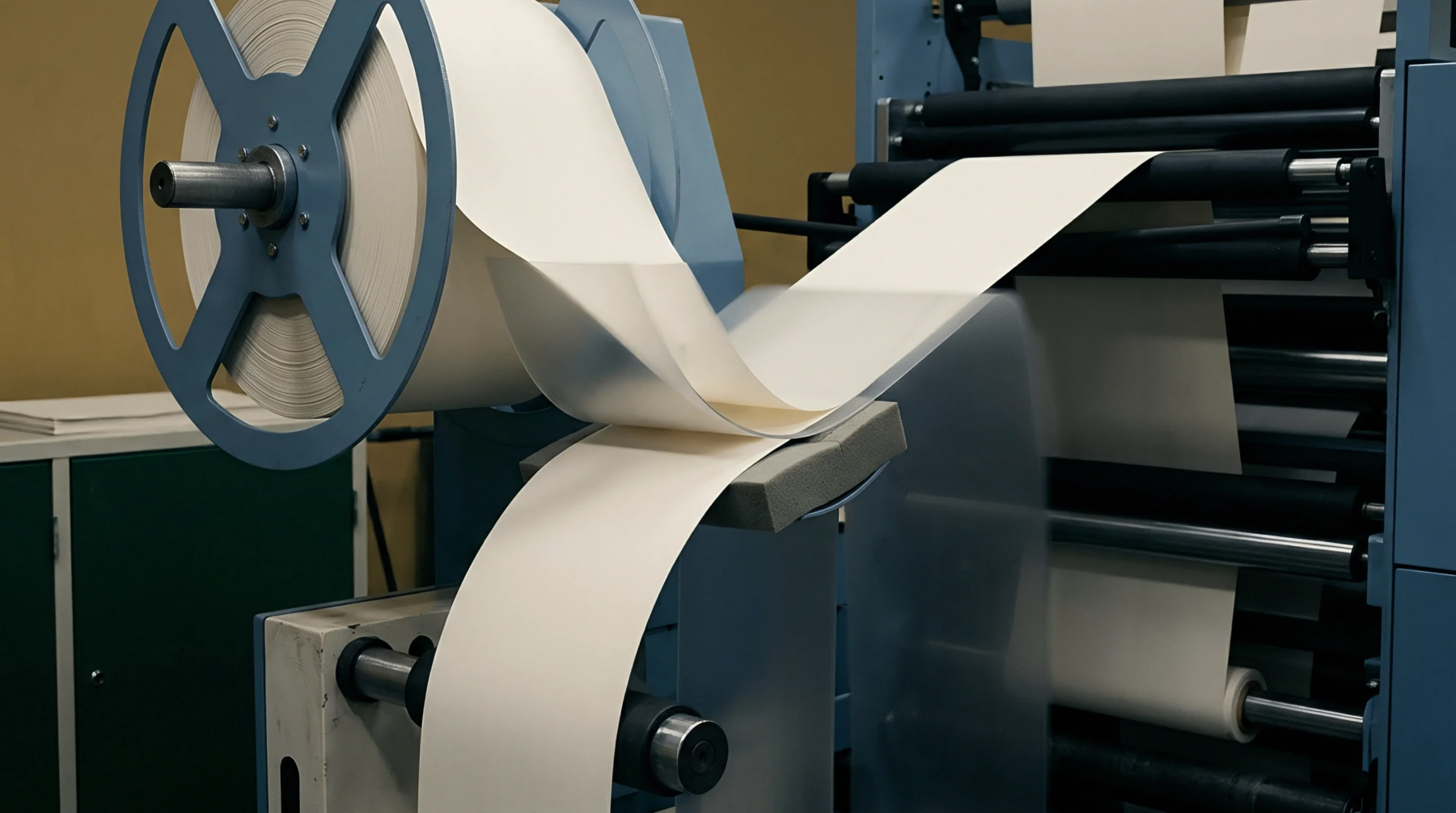
Laminators bond this plastic layer to the paper substrate to prevent fiber delamination during the forming of cartons or pouches. Control systems manage the temperature of the molten material to ensure adhesion remains constant throughout the production run. High surface tension on the secondary side of the material allows for subsequent ink anchorage during the flexographic printing stage.
Proper cooling of the web avoids thermal degradation of the film and maintains the uniform thickness requested by the technical specifications.
Performance Expectation
Water vapor transmission rates define the efficacy of the chemical structure under humid storage conditions. Resistance to greasy substances remains high because nonpolar molecules in the film prevent oil penetration into the structural board. Heat seal capability follows from the low melting point of the material which permits rapid closure on high speed filling lines.
Durability remains the primary metric for verifying that the barrier survives mechanical stress during transportation and warehouse handling.