Fibre Recovery
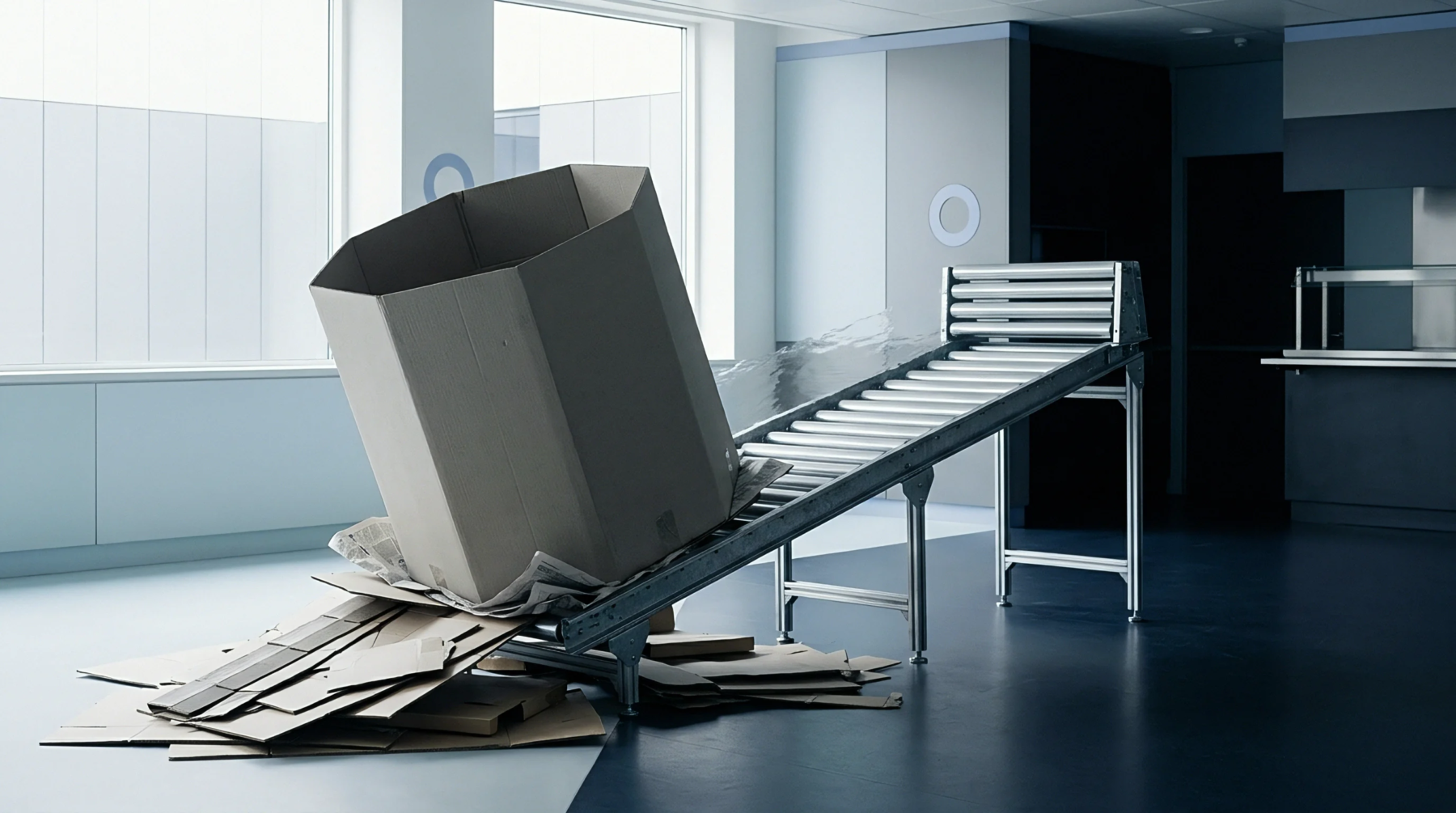
Recovered paper streams supply secondary cellulose for containerboard production, defining post-consumer content as material discarded by end users rather than processing waste generated during printing or converting operations. Mills measure this specific input fraction through chain of custody audits to verify environmental marketing claims on corrugated boxes and folding cartons. Regulatory bodies enforce strict mass balance accounting rules because collection streams mix industrial trimmings with household discards, requiring continuous verification of incoming bales.
Yield Loss
Slushed secondary fibre generates substantial rejects during pulping, removing wet strength resins, staples and clay coatings that lower the total usable fibre yield compared to virgin kraft pulp. Papermakers must adjust refining intensity to prevent excessive shortening of recycled cellulose chains, which otherwise degrades the burst strength of lightweight linerboard grades. Water treatment plants capture these suspended reject fractions as sludge, increasing solid waste disposal costs for integrated recycling mills.
Conversion Tolerance
Finished corrugated sheets containing high secondary fibre ratios exhibit reduced compression resistance under humid warehouse conditions, forcing box plants to increase flute specifications to meet stacking strength standards. Flexographic printing presses run these rougher substrates at lower speeds to prevent surface dusting and maintain dot gain tolerances on high graphic retail packaging. Converter laboratories test the finished packaging against drop impact criteria to ensure structural integrity survives rough handling in distribution networks.