Production Yield
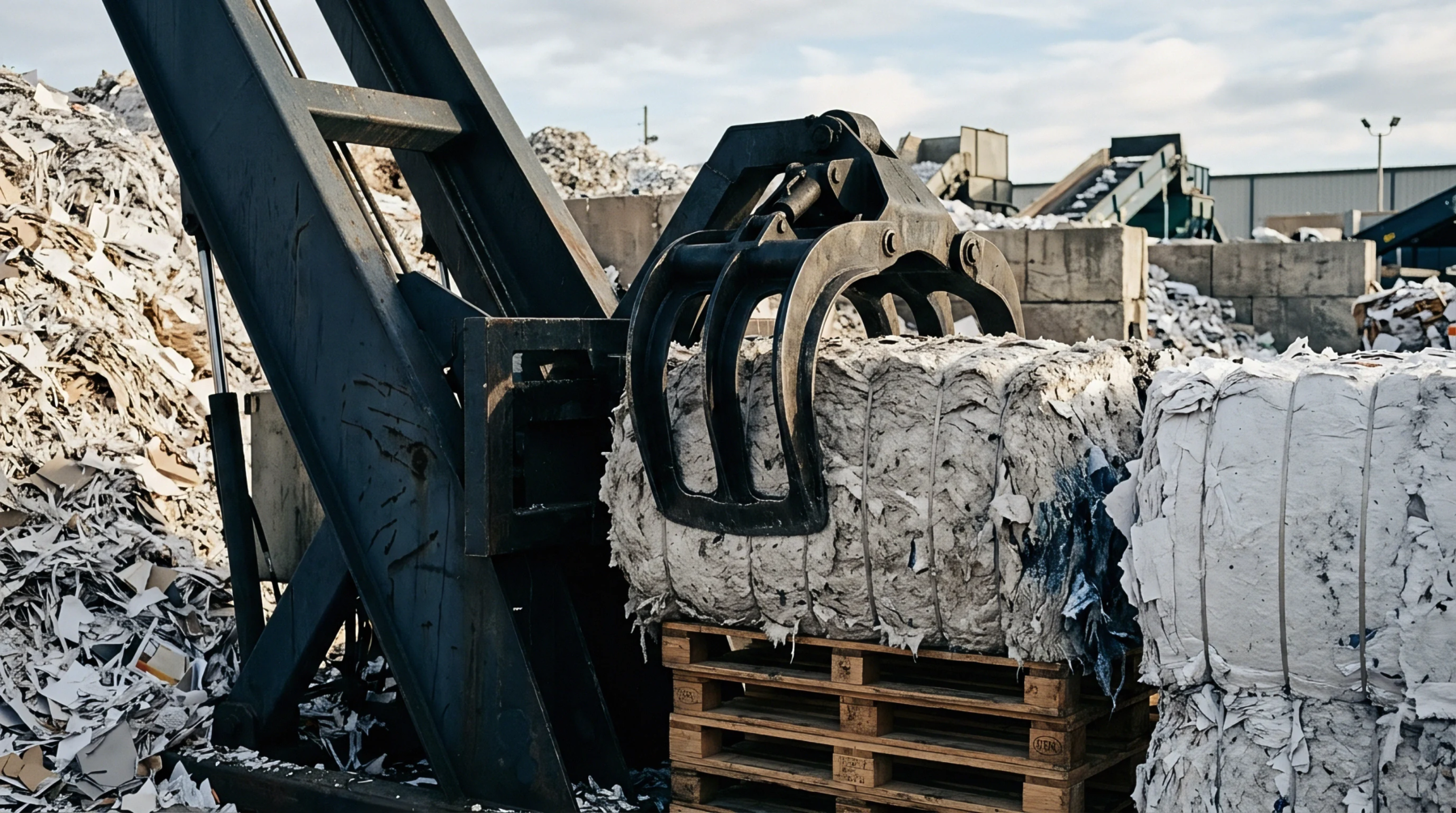
Paperboard manufacturers calculate the percentage of input raw material that fails to enter the finished, salable product due to conversion or refinement activities. Process scrap loss tracks the quantity of fibrous mass diverted from the web during slitting, trimming, or coating operations. This metric quantifies the financial and environmental inefficiency of a manufacturing line.
Machines discard these edge trims or rejected sheets as waste that requires removal from the plant floor.
Operational Efficiency
Variations in moisture content or inconsistent web tension force operators to widen trim widths, which causes process scrap loss to climb during high-speed production runs. Stable environmental controls within the mill minimize these physical deviations. Precise machinery alignment limits the volume of off-cut material generated at each stage of the converting sequence.
Adjusting tension sensors or blade clearances provides a method for tightening the margin of waste.
Economic Calculation
Valuation of these material remnants often depends on whether the mill can repulp the clippings back into the machine chest or must sell them to external recyclers at a lower commodity price. True net cost includes the energy spent drying or pressing the fibre that never reaches a final customer. Higher rates of conversion waste lower the overall profitability of the asset by forcing the purchase of additional virgin pulp.
Recovered internal mass helps offset the fiscal impact of production inefficiencies. Accurate monitoring of this residual material provides a benchmark for evaluating the long term sustainability of print substrate fabrication.