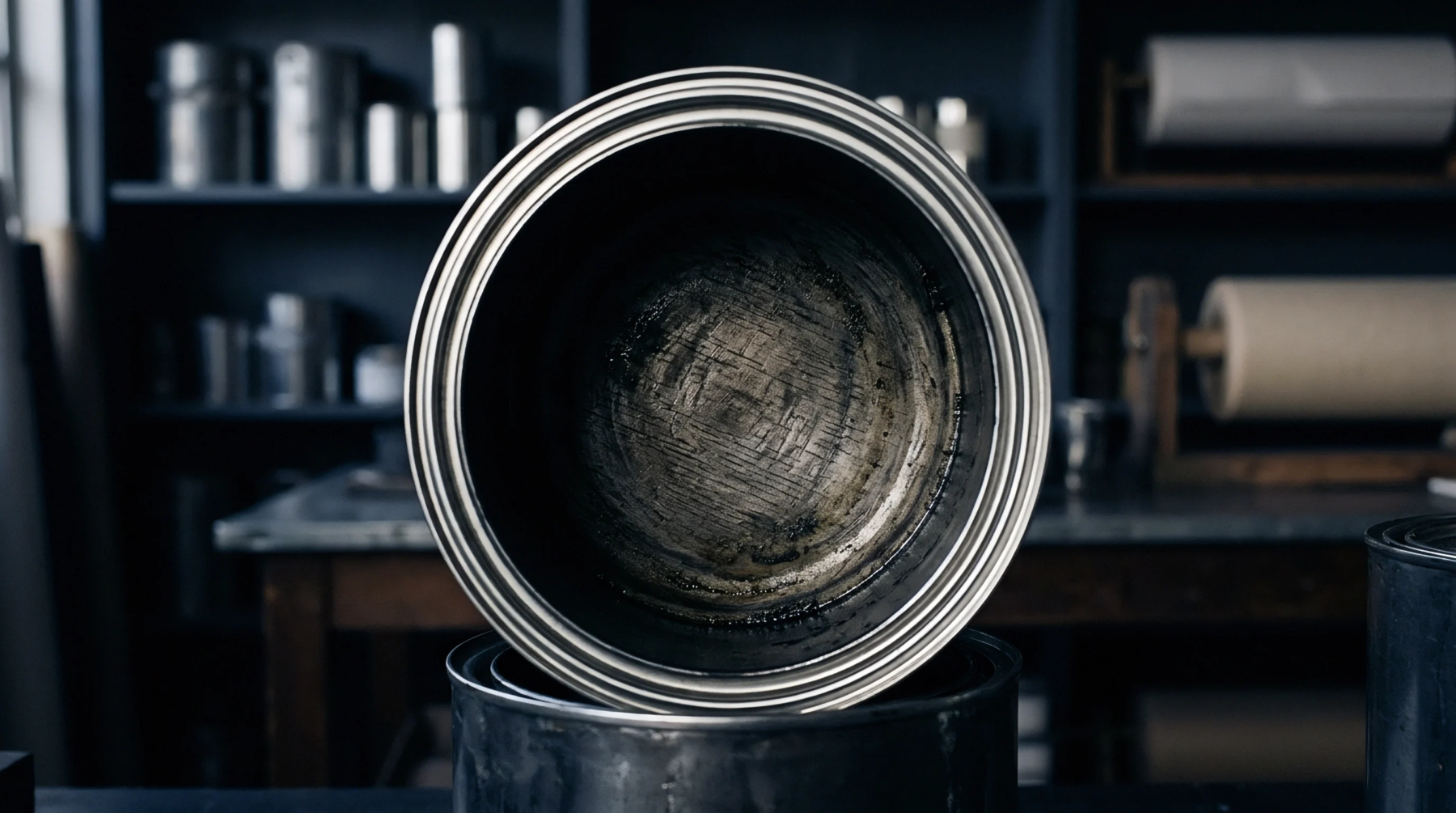
Filter Obstruction
Mechanical resistance occurs when debris or contaminants gather at the aperture of a mechanical filtration unit within a slurry flow. Pulp screen clogging restricts the passage of desired fibrous material through the screening media by creating an impermeable layer across the inlet or outlet openings. This phenomenon stops the movement of process water and suspends flow-dependent production efficiency.
The physical layer forms when rigid particles or incompatible contaminant concentrations exceed the tolerance of the screening slot geometry.
Process Disruption
Consistency fluctuations across the stock preparation line dictate the severity of this accumulation. Pulp screen clogging forces a rise in pressure differentials across the media as the effective surface area decreases. Operators monitor motor load and feed pressure to detect the onset of restricted throughput before total blockage occurs.
Stable fibre length distribution prevents the interlocking of secondary materials that otherwise knit together and block open slots. Periodic reverse flushing or pulse cleaning cycles mitigate the formation of this compacted deposit during standard production runs.
Performance Limitation
Filtration throughput requires specific slot dimensions calibrated against the length and diameter of the primary pulp fibres. Pulp screen clogging sets an upper limit on the rate of stock delivery and necessitates frequent downtime for manual clearing or chemical treatment. High levels of shives or plastic contaminants in the recycled input stream increase the probability of rapid accumulation.
Precise control of the reject rate helps maintain a clean aperture by ensuring that heavy particles exit the system rather than settling against the barrier. Maintaining a balanced mass flow reduces the frequency of cleaning cycles and secures the required pulp quality for downstream paper forming.