Foreign Matter
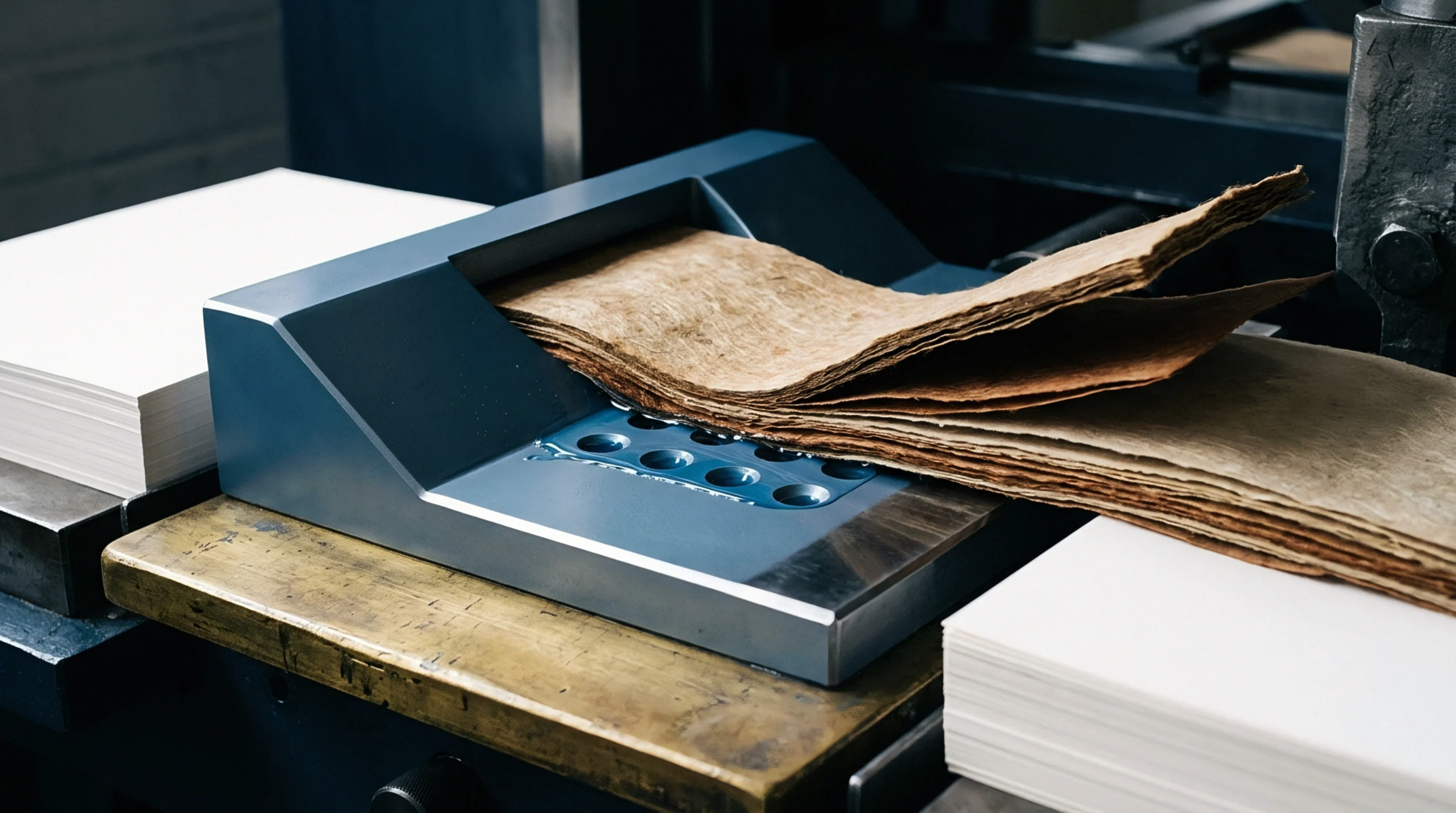
Non-cellulosic impurities entering the stock preparation circuit degrade the physical integrity of a paper sheet. Recycled fiber contamination involves plastics, adhesives, waxes, and synthetic inks that survive the pulping process to form defects in the final substrate. These particles disrupt the sheet formation on the wire, creating weak points that lead to web breaks on the paper machine or the printing press.
Process Tolerance
Mills employ screening and cleaning stages to remove these extraneous fragments based on size and specific gravity. The efficiency of a cleaning battery determines the final cleanliness of the pulp slurry. Centrifugal cleaners exert force on high-density particles to separate glass and metal shards from the fiber stream while pressure screens extract large flakes of adhesive and plastic based on slot dimensions.
A low level of residual particles preserves the surface smoothness and strength of the board.
Mechanical Impact
Finished products containing these materials demonstrate reduced structural performance and compromised aesthetic appeal. Speck formation occurs when sticky contaminants adhere to hot surfaces during drying or printing, pulling fiber from the surface and damaging the blanket. These irregularities cause picking in offset lithography and poor coating adhesion in specialty packaging.
Modern recycling systems reduce the presence of these inclusions to maintain the functional consistency required for high-speed automated filling lines.