Material Proportion
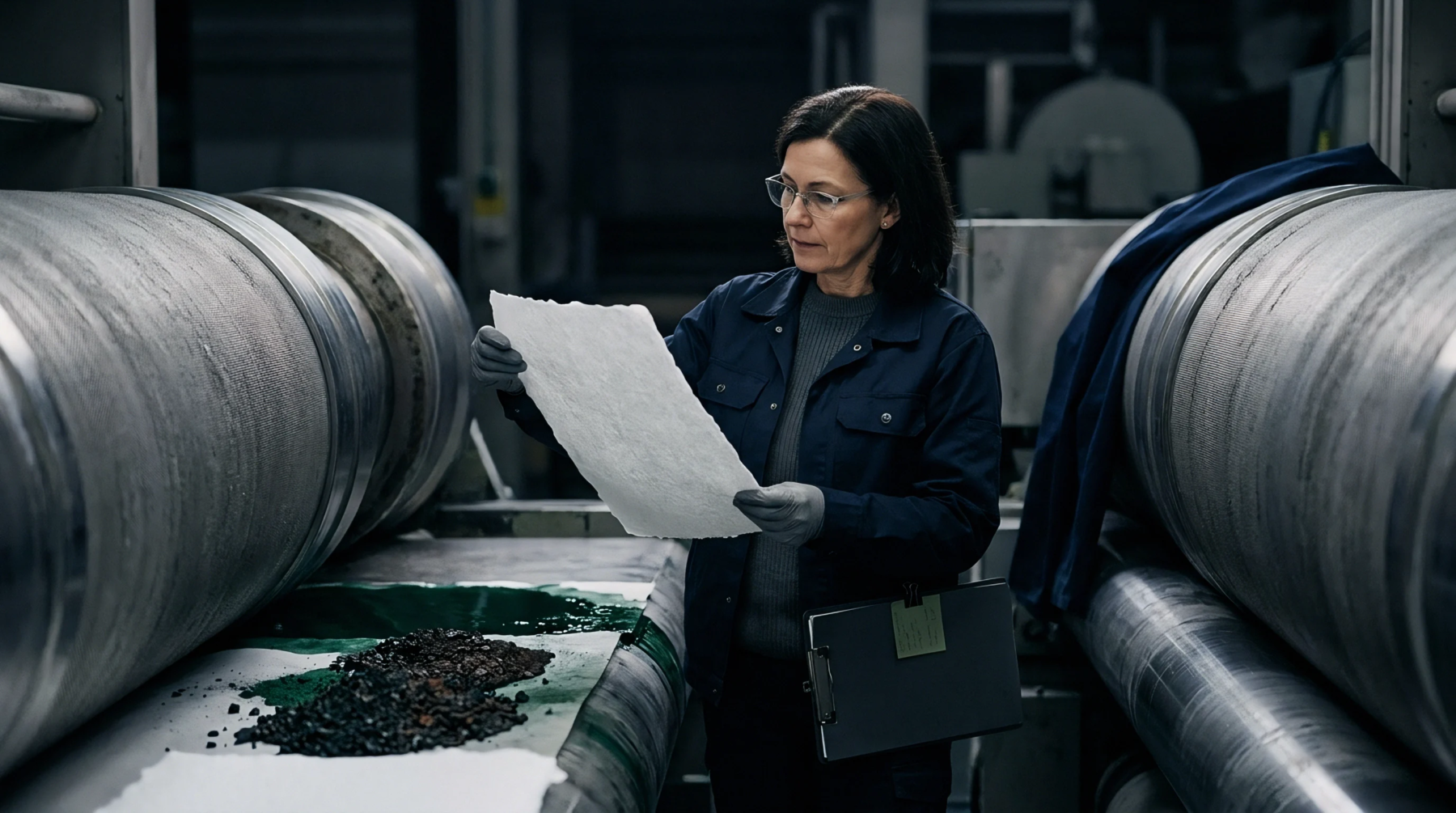
The percentage of wood fibers in a paperboard sheet derived from recovered paper and board waste determines both the environmental footprint and the mechanical properties of the packaging. Specifying the recycled fibre content is a common practice for brand owners seeking to reduce their reliance on virgin wood pulp. This ratio is typically verified through a mass-balance audit across the supply chain.
Mechanical Performance
Recovered fibers have been dried and re-wetted multiple times, which shortens the fiber length and reduces the bonding potential of the pulp. High recycled fibre content decreases the tensile and bursting strength of the board, requiring a greater basis weight to achieve the same structural performance as virgin board. To compensate, mills often add native starch or dry-strength agents to the pulp slurry.
This treatment restores some of the lost fiber-to-fiber bonding and allows for the production of durable corrugated boxes.
Sourcing Integrity
Certification schemes like the Forest Stewardship Council trace the origin of the recycled materials to prevent the use of contaminated post-consumer waste in food-contact packaging. Using certified recycled board ensures compliance with safety regulations while meeting sustainability targets. This traceability protects both the brand reputation and the safety of the consumer.