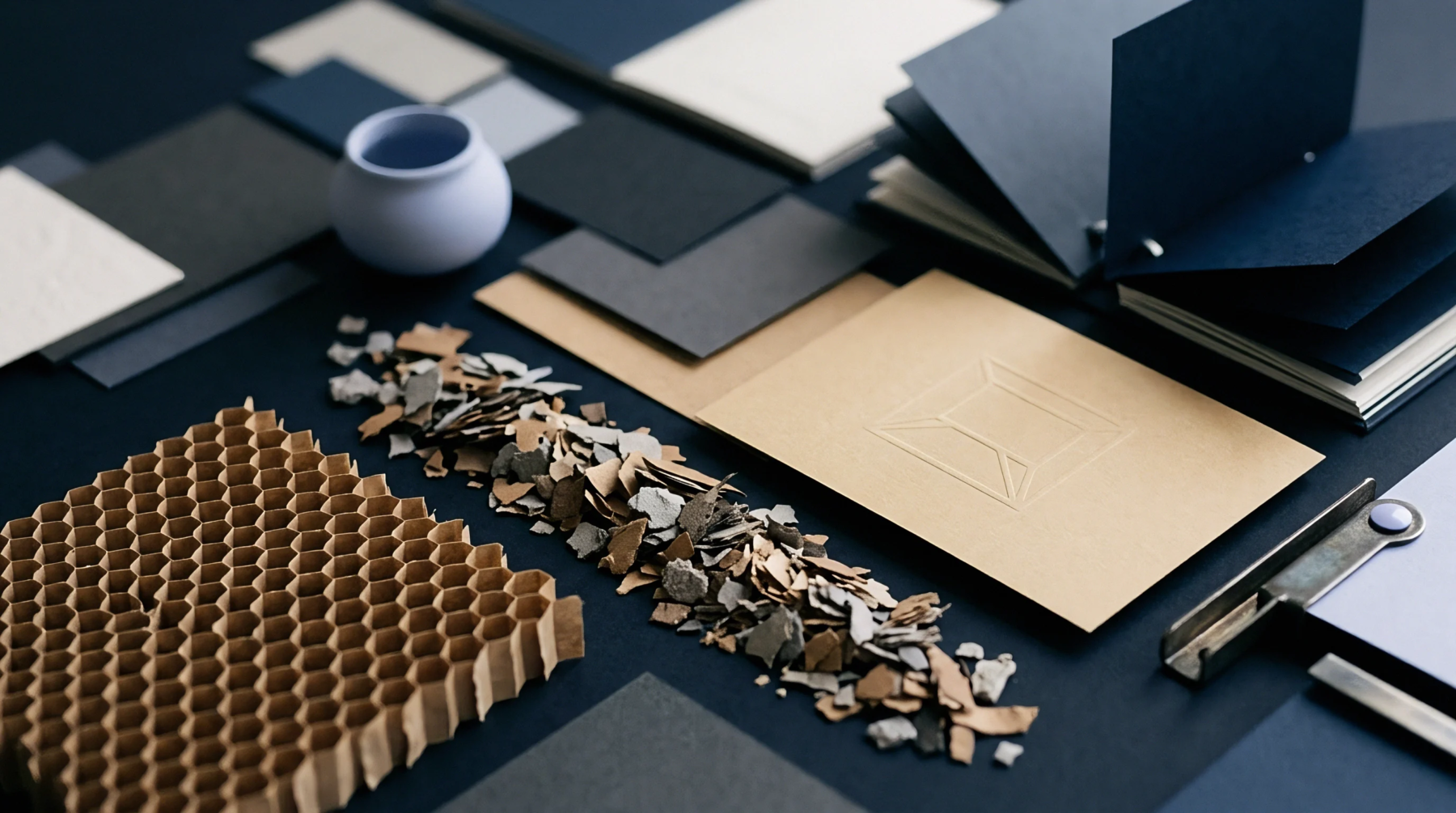
Surface Relief
Mechanical deformation relies upon matched engraved rolls to displace packaging substrates locally. Rotary embossing creates tactile depth across paper and board webs by passing material through a precisely aligned steel cylinder pair. Permanent pattern transfer requires a hardened male die operating against a softer female counter-cylinder under extreme linear pressure.
Substrate thickness determines engraving depth limitations because excessive force shears the fibrous matrix instead of stretching it.
Web Mechanics
Cylinder synchronisation prevents registration slip during high speed packaging production runs. Rotational speed differences between the upper and lower tooling tear fragile linerboards before surface patterns form properly. Fibre orientation dictates how far paper stretches into relief cavities without cracking the outer ply during conversion.
Moisture content must remain within strict mill tolerances to allow plastic deformation without springing back after compression.
Conversion Limits
Dimensional stability drops significantly once deep patterns displace the internal bonding structure of heavy carton board. Tensile strength decreases locally across the embossed area because paper fibres thin out along steep cavity walls. Tool wear changes the visual depth profile over extended print runs, requiring continuous hydraulic pressure adjustments to maintain uniform tactile quality.
Packaging lines handling embossed substrates need modified feeder settings to prevent jams caused by uneven caliper profiles across the sheet.