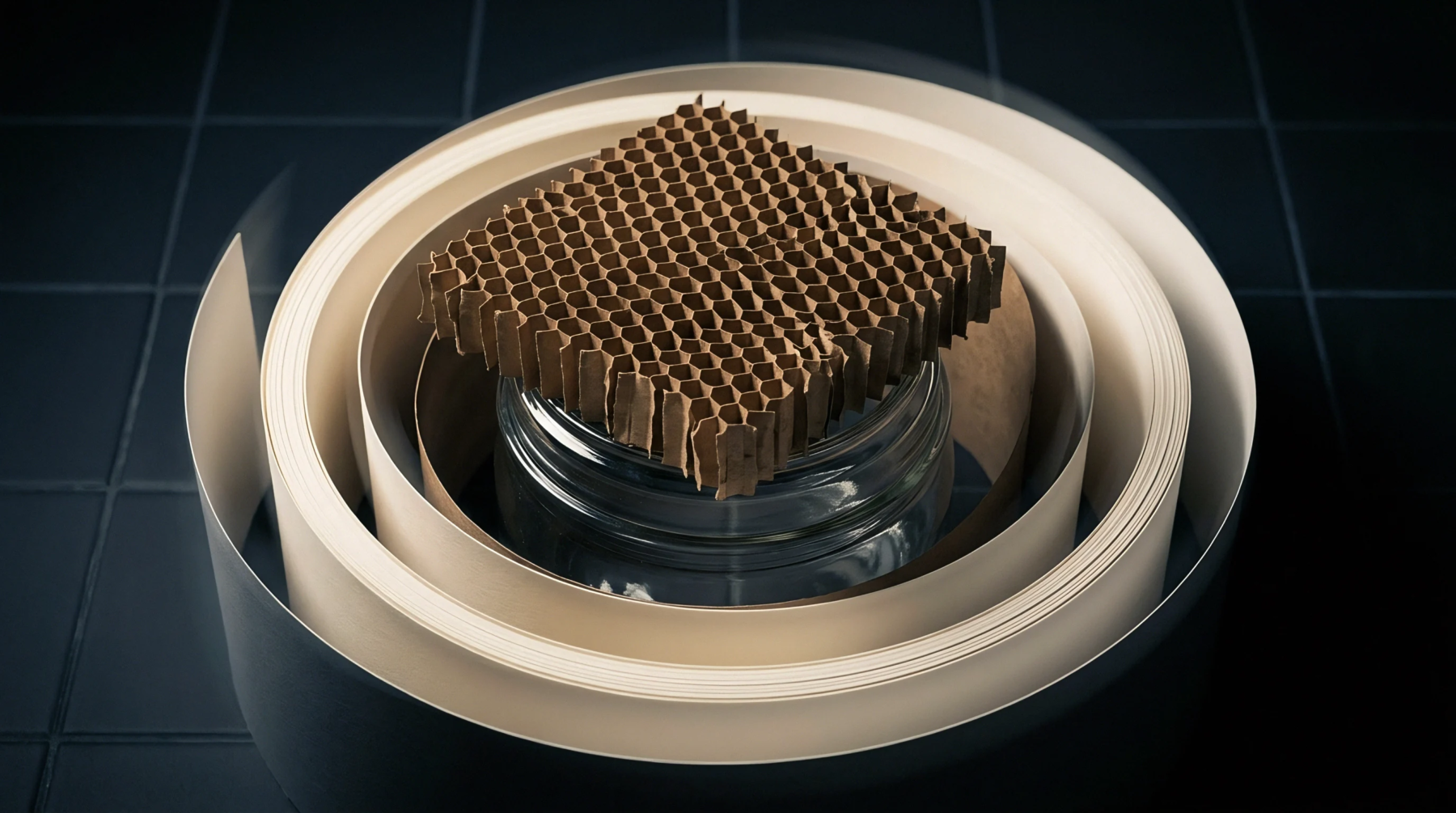
Pressure Distribution
Compressive force remains constant across the entire surface area of a die or clamping tool when static platen loading occurs. This method exerts force through a stationary plate to ensure that the substrate receives an even weight distribution throughout the duration of a cycle. Manufacturers apply this technique to guarantee bond integrity in lamination or to flatten irregular board surfaces before high-speed printing.
Variations in material thickness dictate the specific force settings necessary to prevent deformation.
Mechanical Execution
Hydraulic cylinders or pneumatic pistons drive the movement of the heavy metal plate against the stack of material. Sensors track the internal fluid or air pressure to maintain the required output consistently until the cycle finishes. Stability represents the main requirement for this operation, as any tilt in the plate alignment results in localized stress peaks.
Such peaks cause uneven moisture migration or damaged surface finishes on paper substrates. Precise calibration of the alignment ensures the force acts perpendicular to the bed at every point.
Operation Outcome
High production efficiency depends upon the ability of the machinery to distribute energy without creating localized crushing zones. Proper calibration keeps the product flat and ensures that any adhesives cure uniformly across the surface area. Machines capable of providing reliable support to the workpiece reduce the rate of waste during downstream converting steps.
Success hinges on the capacity of the hardware to hold exact tolerances under intense sustained pressure.