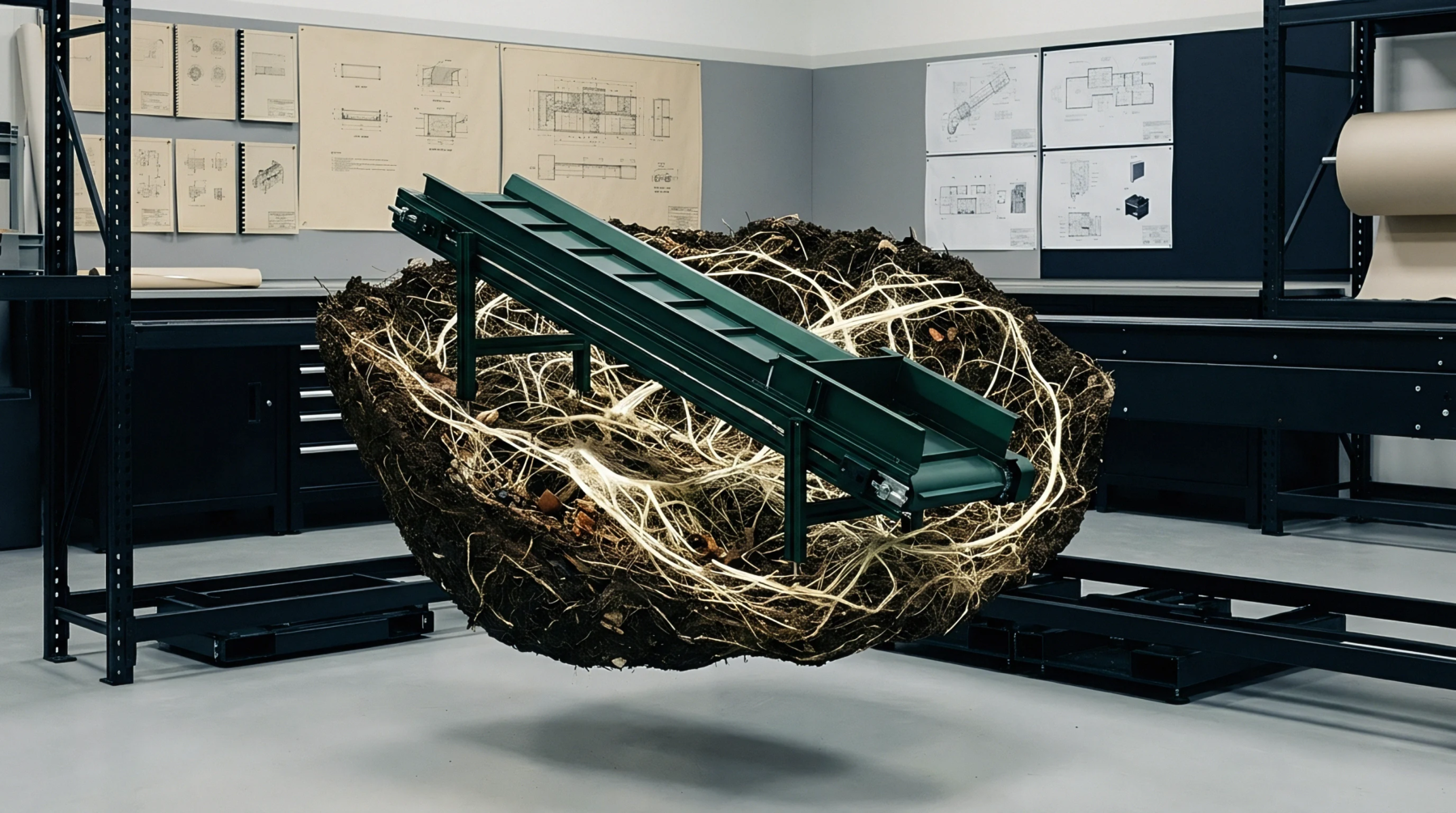
Density Gradient
Uniform fibre distribution within a slurry tank prevents localized variations in paper sheet composition. Stock chest stratification describes the separation of different consistency levels or fibre lengths during the transit of pulp through holding vessels. Low density fibres tend to migrate toward the surface while heavier, high consistency fillers or thickeners settle at the tank floor under the influence of gravity.
Mechanical agitation systems work against this settling effect to maintain a homogenous furnish before the slurry enters the headbox. Failure to mitigate this process leads to non-uniform sheet grammage or irregular sheet formation across the machine width.
Agitation Requirement
Large tanks maintain suspension through the application of torque via impeller blades or circulation jets. High consistency stock requires higher shear force to break the flocculation bridges that form between cellulosic fibres. Internal baffles disrupt circular flow patterns to push settled material back into the active mixing zone.
Sensors located at multiple depths monitor consistency to trigger adjustment of pump speeds or dilution water flow. Constant monitoring protects the machine process from variations in furnish quality that originate from poor chest turnover.
Production Outcome
Mill performance relies upon the ability of the circulation system to keep every cubic metre of stock within a specific tolerance of total suspended solids. A stratified chest delivers slugs of varying concentration to the sheet forming section that trigger control loops in the wire or press parts of the paper machine. Proper design of the chest internal geometry minimizes dead zones where stagnant material sits for extended periods and eventually re-enters the flow stream as large clumps or paper defects.
Maintaining a consistent solids profile across the entire volume of the chest determines the stability of the final sheet weight.