Material Characterisation
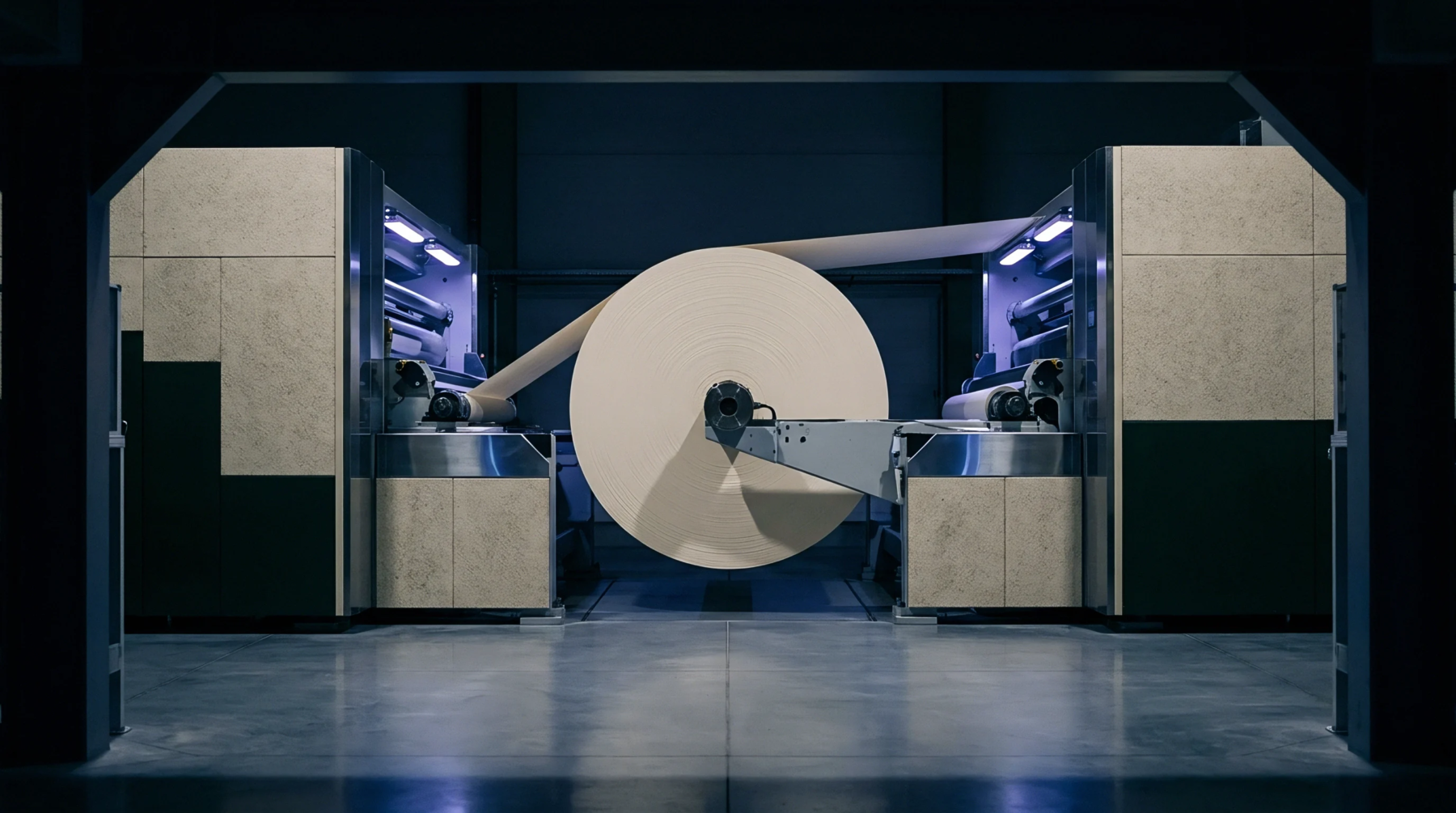
Industrial paper and board manufacturing relies on the precise, non-destructive measurement of physical and optical properties during high-speed production. The practice of substrate metrology involves the continuous assessment of variables such as basis weight, thickness, moisture content, and surface roughness across the moving web. These measurements ensure that the paper board meets the narrow tolerances demanded by modern converting lines.
This discipline covers both mechanical and optical testing techniques.
Quality Control
High-speed printing and automated packaging lines cannot tolerate variations in the thickness or stiffness of the incoming board stock. Through real-time substrate metrology, operators can detect trends toward thinner or heavier sections in the roll and make immediate adjustments to the headbox or the press section. This proactive monitoring prevents bulk defects that cause jamming in folder-gluers or misregistration on multi-color offset presses.
By collecting data continuously, the mill generates a complete quality profile for each roll of paperboard. This digital record helps resolve disputes between the supplier and the converter regarding material performance.
Sensor Integration
Implementing these measurement systems requires mounting sensors on a scanning frame that moves back and forth across the web. These sensors must withstand high temperatures, moisture, and dust without losing calibration. Regular automated checks against built-in reference standards maintain measurement accuracy.