Pressurised Heat Contact
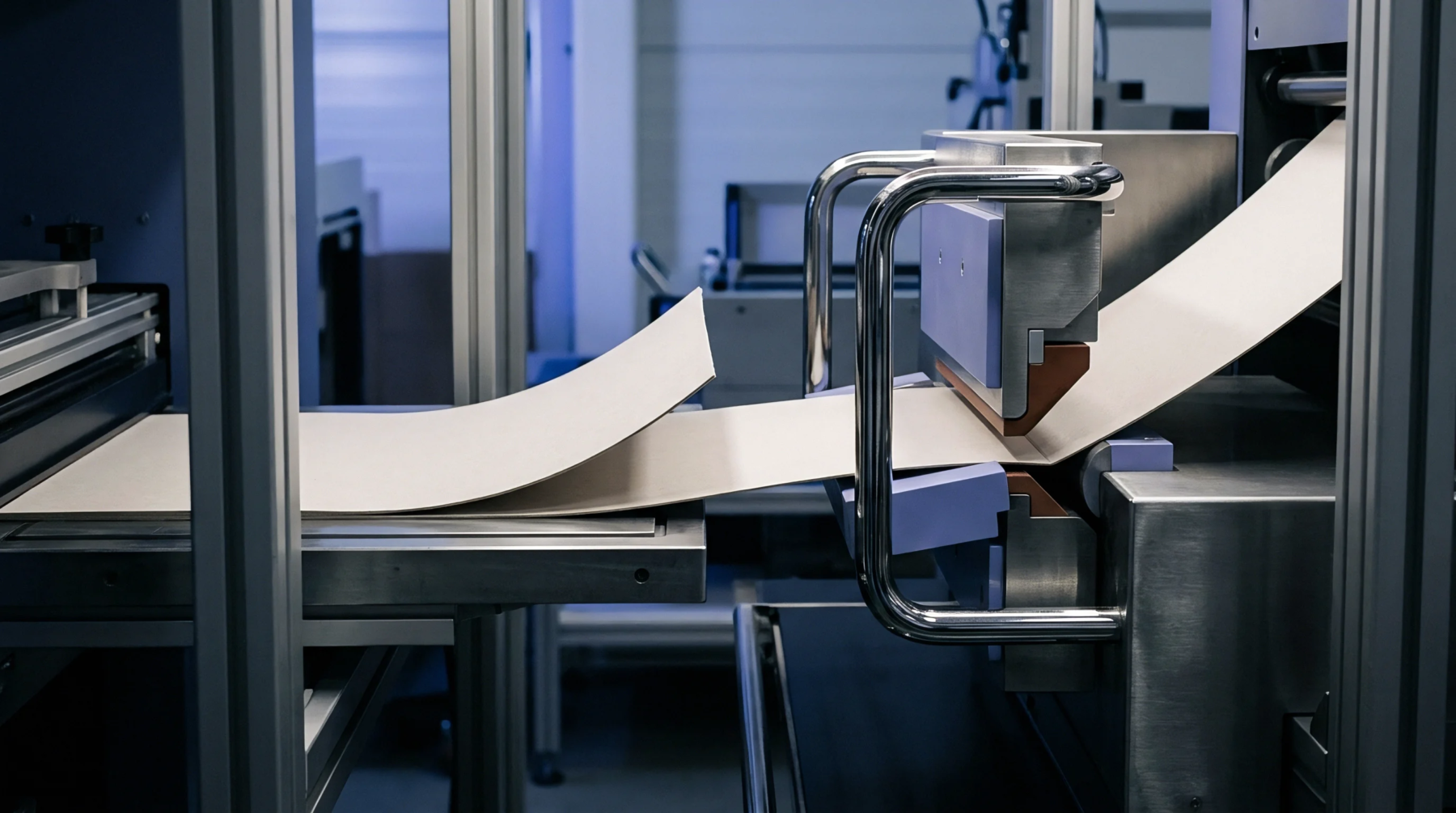
Controlled moisture extraction occurs when a moving substrate passes through a gap between a heated steel roll and a resilient elastomer counter roll to densify the sheet surface while evaporating internal liquid. thermal nip drying operates by exerting mechanical pressure that forces water from the fibre matrix toward the heated metal interface. Efficient contact heating reduces the latent heat requirement for evaporation compared to pure convection methods. Converters use thermal nip drying to modulate surface smoothness and porosity before coating applications.
Precise control of roll hardness and nip width determines the intensity of the pressure profile applied to the moving stock. Harder elastomer coverings increase the peak pressure intensity. Excessive pressure during this stage causes fibre crushing or surface picking which alters the ink receptivity of the finished product.
Thermal Consistency
Proper operation maintains constant heat transfer across the entire machine width to prevent wavy edges or moisture streaks in the final reel. thermal nip drying requires uniform roll temperature distribution to ensure the sheet reacts symmetrically across the web. Variations in roll crown or uneven nip loading lead to localized wet spots or overdried regions. Operators manage this by monitoring the heat flux through the nip zone and adjusting the internal cooling fluid circulation rates within the rolls.
The system relies on the thermal conductivity of the fibre web to transfer energy from the hot roll through the thickness of the paper. Dense substrates require higher dwell times or elevated roll temperatures to achieve the target dryness levels.
Mechanical Constraint
Final sheet properties depend on the interaction between nip force and dwell time at the elevated operating temperature. thermal nip drying provides the force necessary to consolidate surface fibres, which improves gloss holdout for subsequent printing layers. Higher nip pressures increase the density of the sheet, whereas lower pressures preserve bulk and stiffness characteristics. Moisture removal through this mechanism remains stable only when the nip remains clear of excessive debris that might trap heat or create irregular contact patches.
Controlled evaporation prevents internal bond loss in the paper structure. The process remains the most efficient way to achieve high surface finish and low moisture content simultaneously.