Wetting Measurement
Liquid boundary geometry at a solid interface defines the three-phase contact angle on paper and board substrates. Surface energy calculations rely on this geometric indicator to quantify wetting behavior during aqueous coating and ink transfer applications. Interfacial tension forces reach equilibrium at the solid liquid and gas junction line.
Droplet shape analysis determines whether an aqueous barrier formulation spreads uniformly across a bleached kraft liner or beads up destructively. Contact angle values exceeding ninety degrees signal poor wettability on untreated packaging boards. Hydrophilic treatments lower the boundary measurement to promote adhesive anchorage in folding carton production.
Coating Adhesion
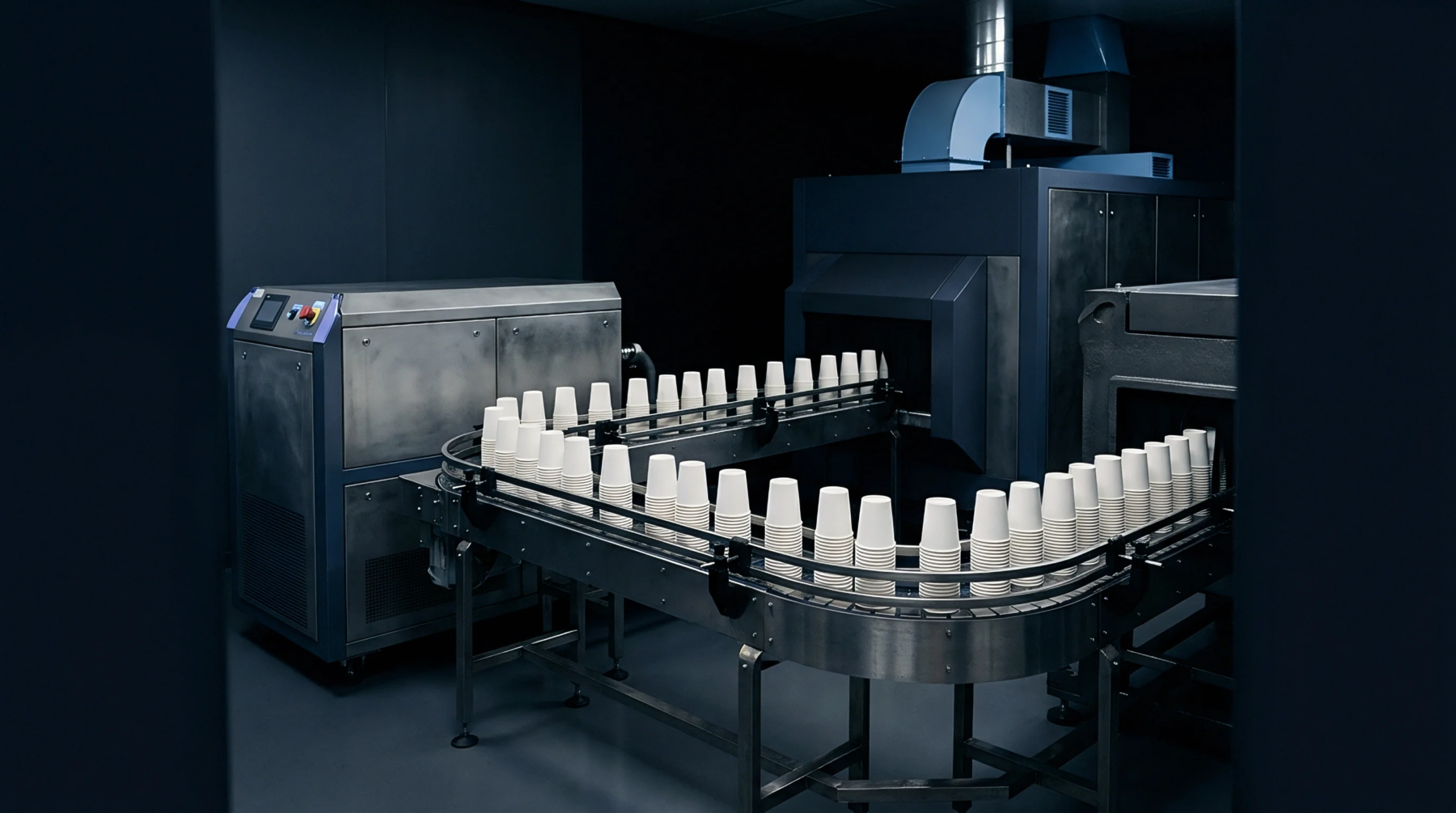
Specialized dispersion equipment deposits aqueous barrier layers onto moving paper webs under controlled machine speeds. Solution viscosity must match application system parameters to prevent air entrainment beneath the metered film. Drying tunnels apply thermal energy to evaporate carrier liquids without blistering the underlying cellulose matrix.
Machine direction tension variations alter wet film thickness across the width of the moving web. Poor liquid compatibility produces pinholes that compromise grease resistance in food service packaging end uses.
Surface Energy
Solid substrate energy levels dictate final print quality and lamination bond strength across high speed printing lines. Corona discharge treatments elevate surface free energy to improve liquid anchorage on polymer coated paperboard grades. Low surface energy values cause ink dewetting defects during flexographic and offset lithographic converting operations.
Measuring contact angles provides quality control laboratories with immediate feedback regarding corona station efficiency. Substrate ageing reduces surface energy over time and necessitates pretreatment monitoring prior to converting.