Structural Distortion
Dehydration of outer roll perimeters or sheet stack margins creates physical tension differential across a paperboard web. The structural condition known as tight edges occurs when paper stock loses moisture to dry ambient air, causing perimeter fibers to shrink while the core retains its original hydration. The resulting sheet displays a concave profile with short margins and a wavy center.
High speed printing presses experience web breaks and feeding failures when running stock with this defect.
Operational Effect
Running paper with shrunken margins through press cylinders places excessive stress on web edges, leading to edge tears and press downtime. The presence of tight edges causes baggy center web behavior on rotary printing presses, resulting in localized wrinkling and poor ink transfer. Stacking paperboard sheets in low humidity pressrooms without protective shrink film triggers rapid edge drying within hours.
Infrared heating during web drying can also overdry sheet margins if burner profiling is miscalibrated. Rehydrating pressroom air using fogging nozzles mitigates edge moisture loss during dry winter months.
Mitigation Strategy
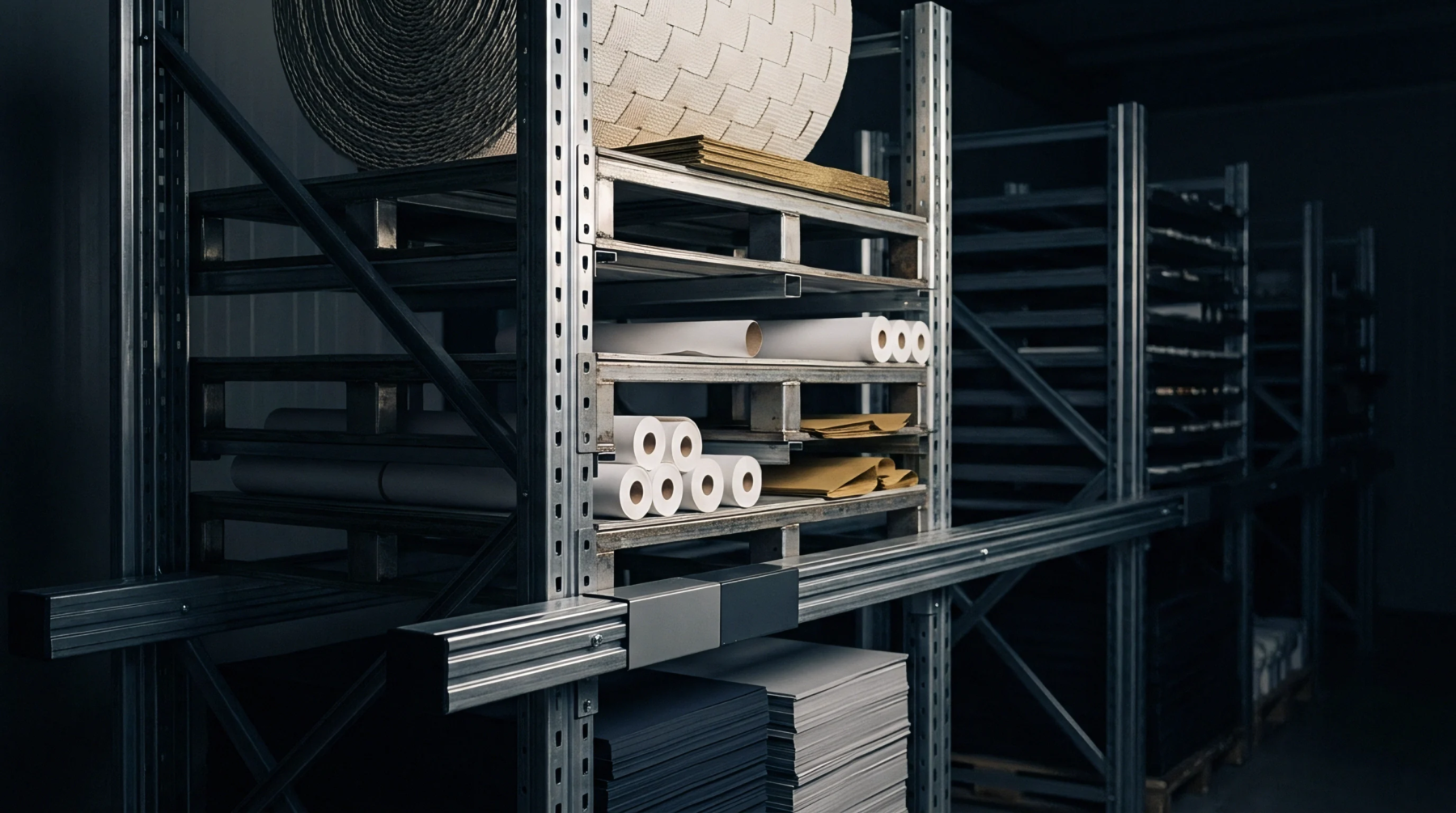
Wrapping paper rolls in moisture proof barriers until press mounting prevents edge dehydration. Conditioning paper stock in pressroom ambient air before unwrapping reduces edge tension development. Uniform moisture preservation ensures smooth web passage through converting machinery.