Volumetric Contraction
Photopolymer chemistry dictates the physical reduction in dimensions of a cured ink or varnish layer upon exposure to high intensity light. Ultraviolet coating shrinkage occurs during the transition from a liquid monomer to a solid polymer network. Rapid crosslinking forces molecules into tighter proximity as covalent bonds replace weaker van der Waals forces.
This reduction in volume often creates internal stress within the finish.
Mechanical Strain
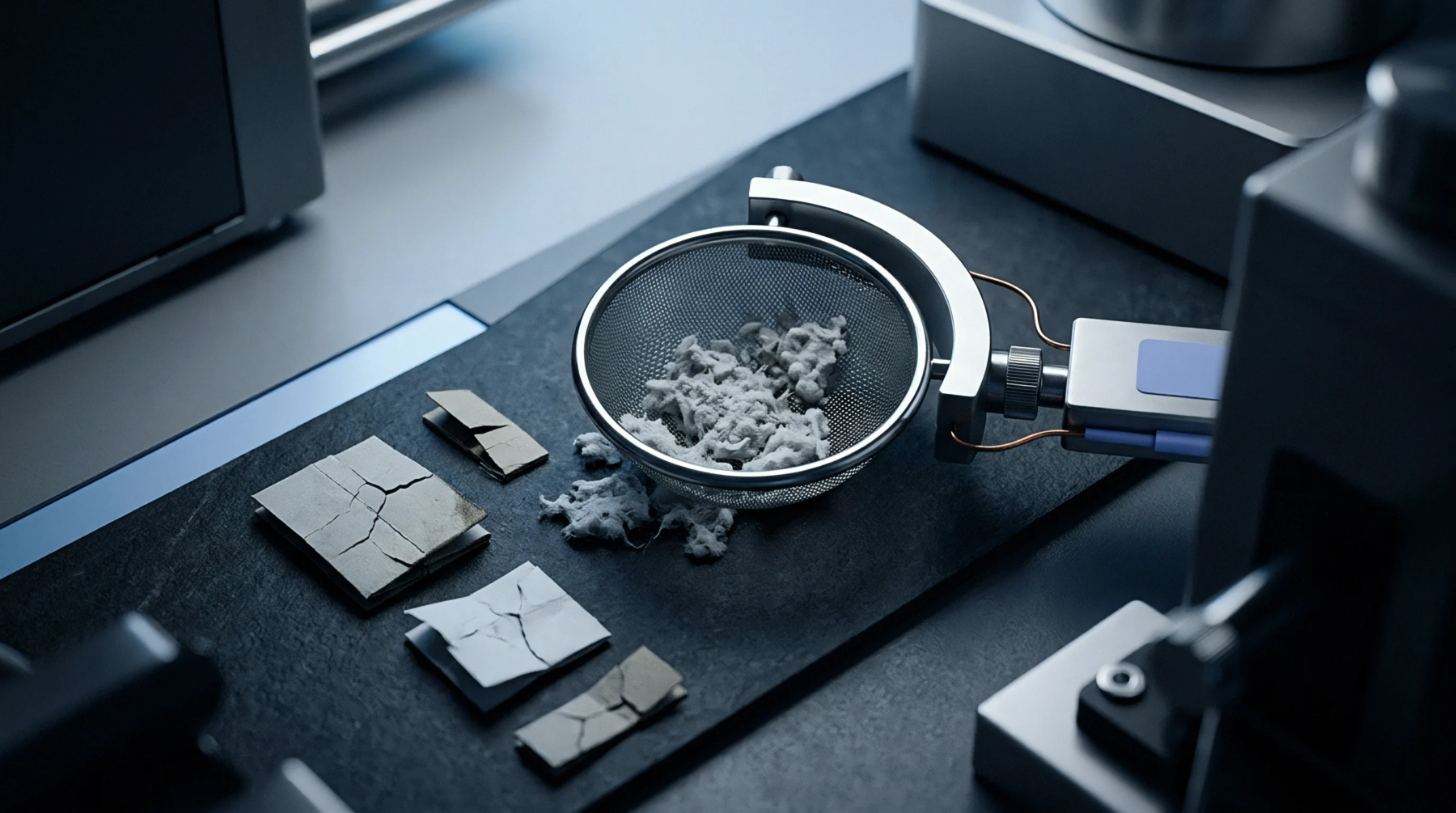
Residual tension generated by the rapid phase change impacts the interface between the substrate and the dried film. Excessive force exerted during this phase leads to surface cracking or edge curling on thinner paper stocks. Printers manage this phenomenon by adjusting the photoinitiator concentration or modifying the line speed to modulate the cure rate.
Lowering the lamp intensity during the initial drying stages allows the polymer chains to organize with less physical disruption. Stable chemical formulations reduce the degree of deformation observed after the final pass through the curing station.
Dimensional Stability
Coating systems demand consistent adhesion to survive the folding and die cutting processes required in modern finishing. A high degree of contraction causes the film to pull away from the substrate fibers at the score lines. This reaction increases the risk of cracking in areas of heavy coverage where the density of the layer amplifies the cumulative force of the cure.
Uniform distribution of energy throughout the web ensures the finished sheet maintains its structural integrity under environmental humidity changes. Proper management of the curing energy remains the primary method for maintaining precise register and substrate flatness.