Alignment Mechanism
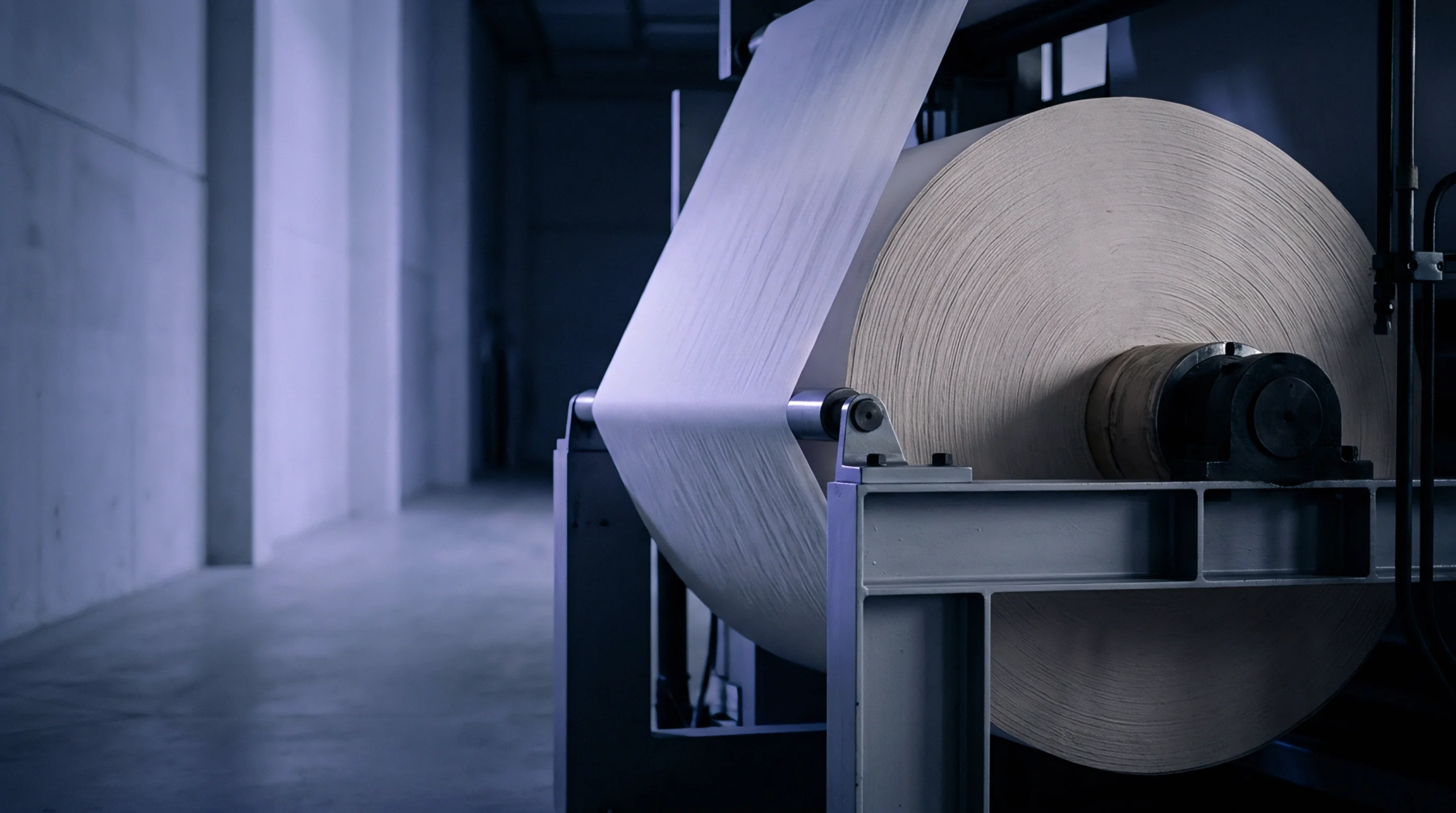
Automated lateral positioning systems maintain proper web tracking through high-speed printing, coating, and slitting equipment. Process automation defines web guide control as the closed-loop control system that continuously senses web edge location and adjusts steering rollers or unwind stands to align the moving paper web with machine centerlines. Precise alignment prevents register errors and side-edge damage on converting lines.
Feedback Loop
Continuous paper webs tend to wander laterally due to camber defects, uneven caliper profiles, misaligned machine rolls, or non-uniform web tension. Optical, ultrasonic, or pneumatic sensors monitor edge positions along the web path, generating error signals when lateral displacement occurs. Servo-actuated steering frames or movable unwind tables respond to control signals by shifting position, restoring the web edge to target coordinates.
Intermediate guide systems installed prior to critical operations like flexographic printing, die-cutting, or slitting ensure tight color-to-color register and accurate margins. Poor control loop tuning causes system hunting, where steering frames oscillate excessively and induce web edge strain or wrinkling. Proper calibration matches sensor sensitivity and actuator speed to web line velocity and material elasticity.
Registration Boundary
Measurement systems record web displacement errors in fractions of a millimeter to confirm edge positioning stability across production runs. Inadequate guidance results in misprinted graphics, improper fold lines, and trimmed scrap waste along package margins. Web guide control provides essential alignment accuracy for continuous paperboard converting and multi-color printing processes.