Process Control
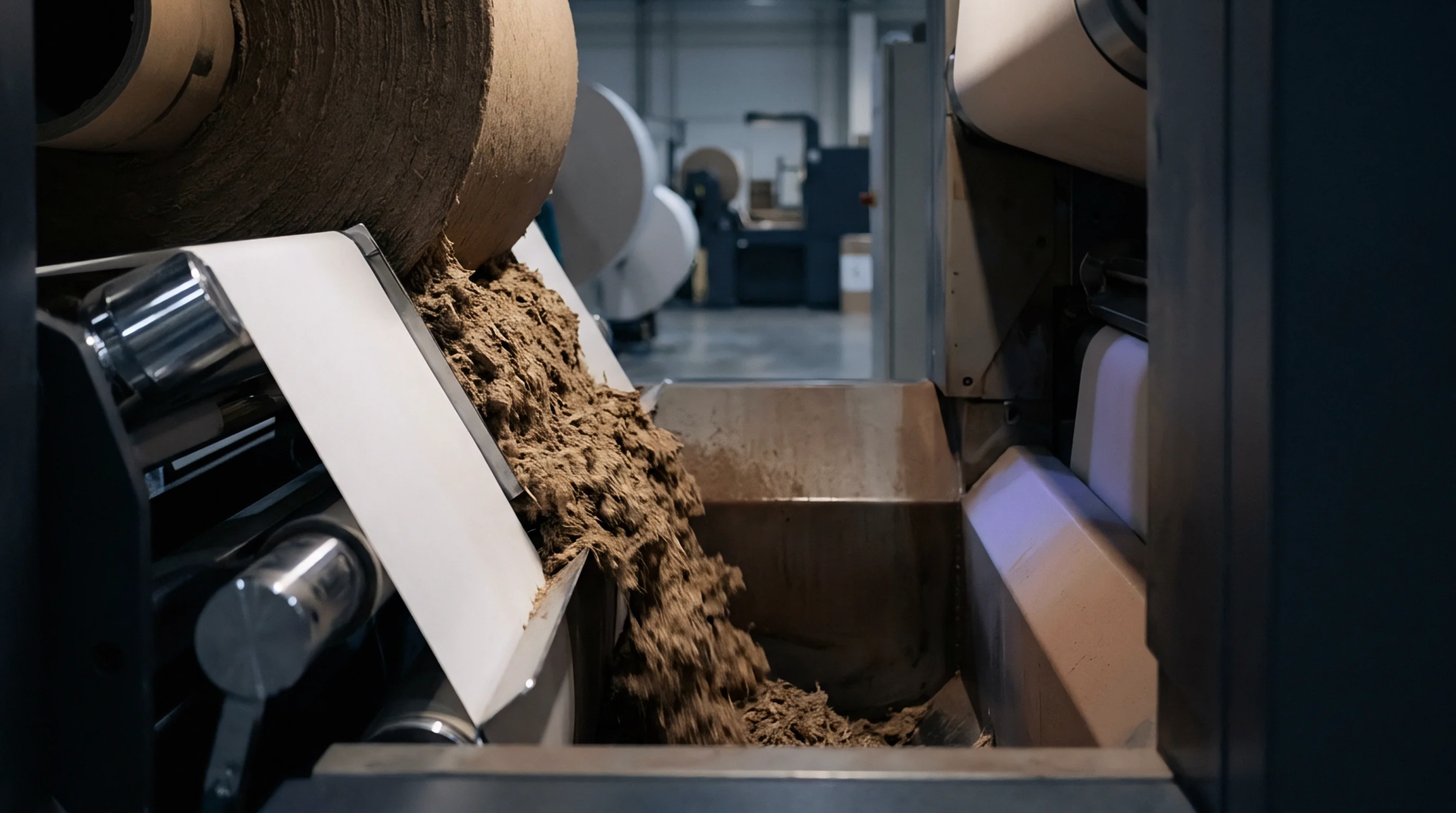
Balancing the chemical dosage and cooking temperature in pulp manufacturing maximizes the amount of usable fiber retrieved from wood chips. This systematic method, referred to as yields optimization, seeks to increase output while maintaining the structural properties of the paper. Operating a pulp mill under these conditions requires continuous monitoring of both wood quality and cooking parameters.
If the cooking process is too harsh, excessive cellulose degrades and reduces the amount of fiber recovered, which directly impacts the mill throughput and efficiency.
Chemical Balance
Selecting the appropriate combination of pulping additives and alkali concentrations represents a major step in this process. For effective yields optimization, technicians adjust the liquor-to-wood ratio and use catalysts to speed up lignin removal without destroying carbohydrates. The addition of compounds like anthraquinone or polysulfides helps protect the wood polymers from alkaline peeling reactions.
This allows the mill to run more efficiently by producing more paper from the same volume of raw wood.
Financial Benefit
Higher recovery rates of fiber directly translate to lower wood procurement costs for the manufacturing facility. Implementing yields optimization reduces the carbon footprint and lowers the overall raw material expenses. The resulting high-quality pulps are then used to manufacture strong paperboards.