Reconciling Chemical Recycling Yield Deductions in Packaging
Reconciling chemical recycling yields demands deducting process fuels and cracker off-gases before allocating mass balance credits to packaging polymers.

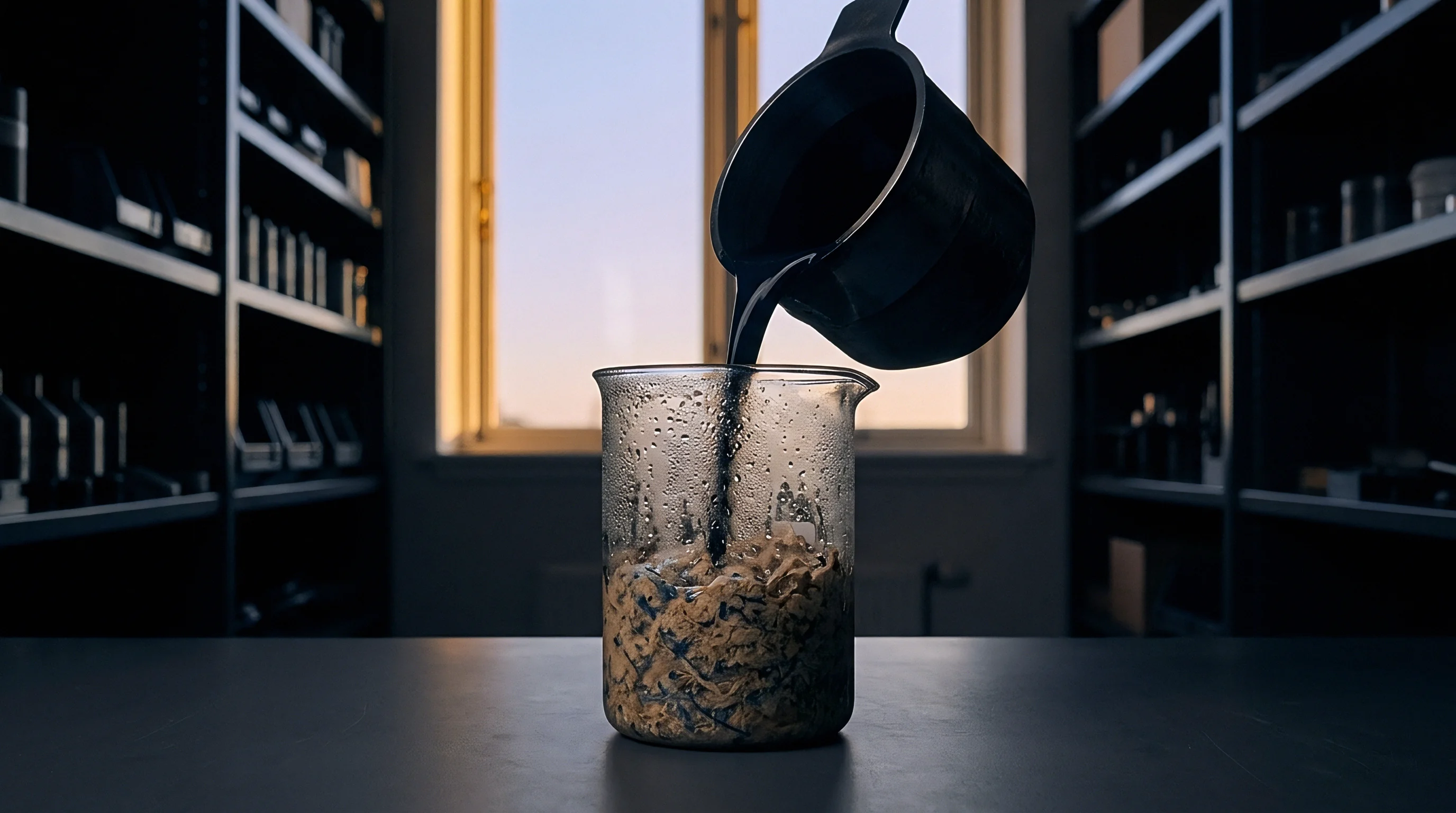
Reactor
Gas chromatography profiles of mixed polyolefin condensate reveal twenty-two percent aromatic fractions, fourteen percent paraffin waxes, and forty-four percent light olefins. Packaging converters purchasing certified circular polymers anticipate that one metric ton of collected flexible film yields an equivalent metric ton of food-grade virgin replacement resin. Physical chemistry invalidates that assumption before the liquid leaves the plant boundary.
Pyrolysis units processing post-consumer flexible packaging crack long-chain polymers into complex hydrocarbon mixtures spanning light non-condensable gases through heavy waxes and insoluble char. Mass balance accounting frameworks govern how facilities book these physical transformations into commercial credits.
Thermal conversion separates polyolefins through thermal scission without oxygen at temperatures between 400 and 650 degrees Celsius. The resulting output splits across three primary states: an overhead vapor phase, a condensable liquid syncrude, and a solid residual matrix. Pyrolysis oil requires catalytic hydrotreatment.
Crude py-oil contains sulfur, nitrogen, organic chlorine from residual polyvinylidene chloride barrier layers, and conjugated dienes that foul standard steam cracker preheaters. Cleaning this feedstock to virgin naphtha specifications imposes additional mass deductions that petrochemical operators routinely obscure within refinery balances.
Pyrolysis condensation units operating at 450 degrees Celsius retain sixty-two percent liquid oil while venting eighteen percent non-condensable gas.

Thermal Depolymerization Mechanics in Packaging Sourcing
Feedstock entering a continuous auger kiln at 550 degrees Celsius yields volatile hydrocarbons alongside solid residue. Mixed plastic bales derived from household collection carry polyethylenes, polypropylene, multi-layer laminates, print varnishes, and residual food soils. Steam crackers demand precise olefin feeds.
When thermal degradation occurs, secondary cracking reactions convert valuable liquid condensates into methane, ethane, and hydrogen gas. These light fractions vent from the condenser train directly into plant burners to supply heat for the endothermic pyrolysis process.
Standard mass balance accounting under certified voluntary frameworks permits operations to reconcile inputs and outputs over rolling calculation periods. The physical yield of cracker-ready naphtha substitute rarely exceeds seventy percent of incoming sorted dry plastic mass. The remaining thirty percent vanishes into process off-gas, heavy bituminous residues, and moisture vapor.
Packaging buyers reviewing supplier dossiers examine whether the conversion factor applied to generate certified resin credits reflects this thermochemical shrinkage or books incoming post-consumer bale weight directly into virgin polymer attributes.
Heavy tars fouling the condenser tubes signal uncredited carbon entering the plant flare.
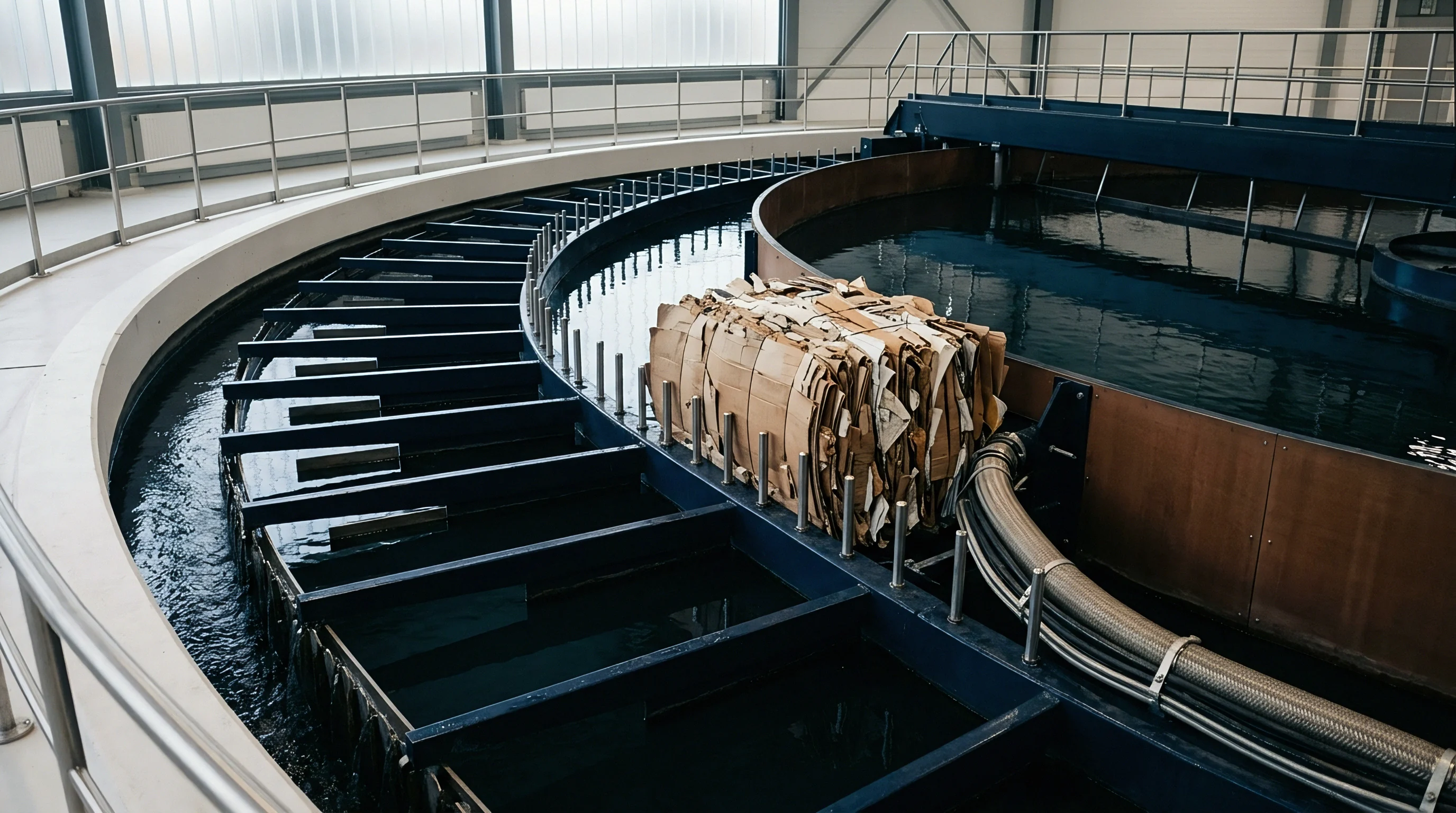

Char
Heavy solid carbonaceous byproduct drops out of continuous pyrolysis retorts alongside inorganic grit from post-consumer collection. Packaging specifications rarely track solid carbon residues, yet this fraction reveals the true contamination level and net polymer recovery of the recycling run. Film packaging collections contain mineral fillers including calcium carbonate, titanium dioxide opacifiers, residual aluminium metallization, and iron oxides from masterbatches.
Moisture leaves the kiln as steam. Calcium carbonate settles as solid slag.
The 65 percent liquid oil yield benchmark frequently quoted by petrochemical vendors rests on European chemical industry pilot trials conducted in 2023 on five-ton continuous auger runs using sorted post-consumer flexible films with moisture under two percent. A shift in film moisture to six percent or an increase in polyethylene terephthalate contamination above three percent moves this liquid recovery below fifty percent due to excessive decarboxylation and gas formation. Acid gases corrode downstream reformer tubes.
When polyethylene terephthalate enters a polyolefin pyrolysis stream, terephthalic acid sublimes at 300 degrees Celsius, depositing corrosive crystals in condenser pipe elbows and choking condensation pumps.
| Process Stream | Feedstock Share Percent | Physical Phase | Downstream Destination | Credit Attribution Status |
|---|---|---|---|---|
| Purified Syncrude Cut | 54.0 to 62.0 | Liquid hydrocarbon | Refinery steam cracker | Eligible for circular polymer allocation |
| Non-Condensable Py-Gas | 14.0 to 18.0 | C1 through C4 gases | Kiln fuel burners | Disqualified energy recovery deduction |
| Pyrolysis Wax Bottoms | 8.0 to 12.0 | Heavy paraffinic solid | Fluid catalytic cracker or marine fuel | Deducted or non-packaging allocation |
| Carbonaceous Char and Ash | 5.0 to 9.0 | Solid porous carbon | Hazardous landfill or cement kiln | Zero credit absolute deduction |
| Aqueous Effluent Phase | 4.0 to 7.0 | Water with organic acids | Biological wastewater treatment | Zero credit absolute deduction |
| Methods note: Mass shares derived from continuous bench-scale auger depolymerization processing post-consumer flexible films containing four percent moisture and six percent inorganic fillers. | ||||

Contaminant Partitioning across Thermal Conversion
Post-consumer flexible packaging bundles carry print coatings, moisture, aluminium vacuum layers, and residual product soils. During thermal processing, these components break down into specific operational fractions that exit the commercial cycle entirely:
- Aqueous liquor purge collects condensed moisture and soluble organic acids, leaving the system as effluent wastewater without polymer synthesis value.
- Non-condensable gas bleed re-circulates methane and ethane to fuel internal burners, consuming fifteen percent of the gross carbon inventory on site. This energy conversion disqualifies the volume from circular credit ledgers.
- Pyrolysis wax dropout solidifies in cold transfer piping, forcing mechanical pigging cycles and diverting heavy paraffins to asphalt compounding.
- Centrifuge decanter sludge retains sub-micron mineral fillers and carbon black particles that ruin virgin clarity in flexible packaging films.
Chlorine presents the most hazardous operational vector during thermal depolymerization. Flexible packaging incorporating polyvinylidene chloride coatings yields hydrochloric acid gas during initial heating at 280 degrees Celsius. Plants inject sodium bicarbonate or lime slurries into the vapor line to capture chlorides as calcium chloride salts, increasing total solid waste generation.
Heavy waxes foul reformer transfer lines. Any unneutralized organic chloride passing into the syncrude poisons precious metal catalysts during subsequent hydrotreating stages. Petrochemical refiners reject crude py-oil batches displaying total organic chlorine measurements above fifty parts per million.
Higher chlorine levels in post-consumer bales multiply off-gas scrubbing lime consumption and accelerate tar deposition.
The petrochemical vendor claimed that elevated flare volumes during furnace startup were standard operational losses absorbed across the wider asset pool.


Allocation
Mass balance schemes distribute certified attributes across steam cracker product slates through complex bookkeeping formulas. When sixty tons of refined pyrolysis oil blend with nine hundred forty tons of fossil naphtha inside a world-scale furnace, tracing individual recycled molecules becomes physically impossible. Steam crackers operate at 840 degrees Celsius, breaking naphtha feeds into ethylene, propylene, butadiene, aromatics, and methane off-gas.
Cracker furnaces consume mass for heat. The accounting methodology selected to credit these fractions establishes whether a food brand buys genuine physical conservation or paper credits backed by process fuel burn.
The 30 percent ethylene yield factor in high-severity naphtha steam cracking rests on petrochemical furnace kinetic data published for light straight-run paraffinic cuts. Introducing heavier pyrolytic syncrude with twelve percent naphthenic content reduces ethylene yield to twenty-four percent while expanding py-gas fuel production to forty-two percent. Sulfur poisoning destroys hydrotreating catalysts.
The diversion of pyrolytic heavy ends mirrors the maritime shipping sector’s shift toward low-sulfur cutter stocks under international marine fuel standards, where petrochemical distillates vanish into ship bunkers instead of chemical synthesis. This commercial draw constantly competes with polymer circularity.
Feedstocks diverted to cracker fuel lines generate zero recycled content credits under European market surveillance guidelines.
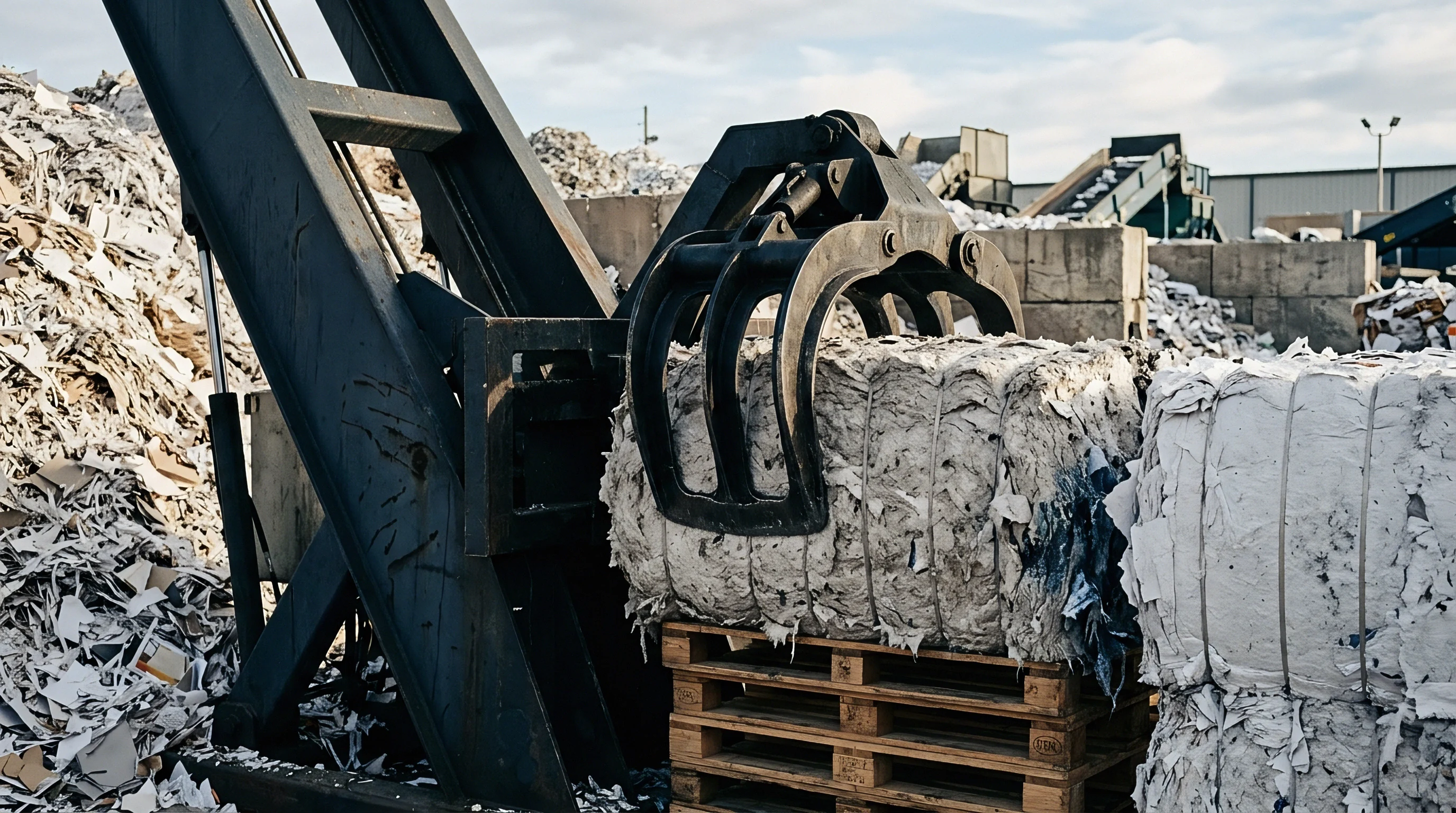
What Losses Disappear before Polymer Credit Allocation?
Volatile light gases combustion represents an immediate drop in convertibility. Market accounting disputes center on two contrasting allocation frameworks: the gross mass balance model and the fuel-excluded proportional attribution model. In the gross model, resin producers deduct zero chemical yield losses, assigning one hundred percent of the incoming oil weight to high-value polymers like polypropylene while writing off cracking losses against the fossil carrier stream.
Regulatory authorities actively challenge this practice. Fuel gas deductions lower certified credits. Unallocated gas cannot become certified polymer.
| Accounting Standard Model | Process Fuel Deduction | Steam Cracker Olefin Yield | Credited Polymer Tonnes | Regulatory Acceptance Level |
|---|---|---|---|---|
| Free Allocation Gross Model | 0.0 Tonnes deducted | 100.0 Percent attributed | 72.0 Tonnes resin | Rejected by European Commission |
| ISO 22095 Chemical Attribution | 18.0 Tonnes deducted | 58.0 Percent chemical yield | 41.8 Tonnes resin | Recognized under national audit schemes |
| Strict Fuel Exclusion Model | 31.0 Tonnes deducted | 46.0 Percent target olefins | 31.7 Tonnes resin | Compliant with PPWR packaging rules |
The precise proportion of pyrolysis wax redirected into internal refinery fuel lines versus lubricating base oils across merchant chemical recyclers fluctuates between eight and twenty-two percent depending on seasonal refinery energy costs and unmetered internal plant transfers. This variation prevents simple auditing. Sourcing teams handle this discrepancy by enforcing standardized deduction schedules:
- The plant auditor verifies raw post-consumer bale weight on the certified weighbridge slip, recording deductions for moisture and loose dirt.
- Operational controllers record metered syngas volumes diverted to retort heating burners, subtracting that gross thermal value from circular chemical mass balances.
- Technical inspectors cross-reference hydrotreater liquid yields against refinery gas bleed rates to isolate pure naphtha cut equivalents.
- The steam cracker accounting ledger allocates verified circular olefin mass exclusively to target resin batches through stoichiometric conversion factors.
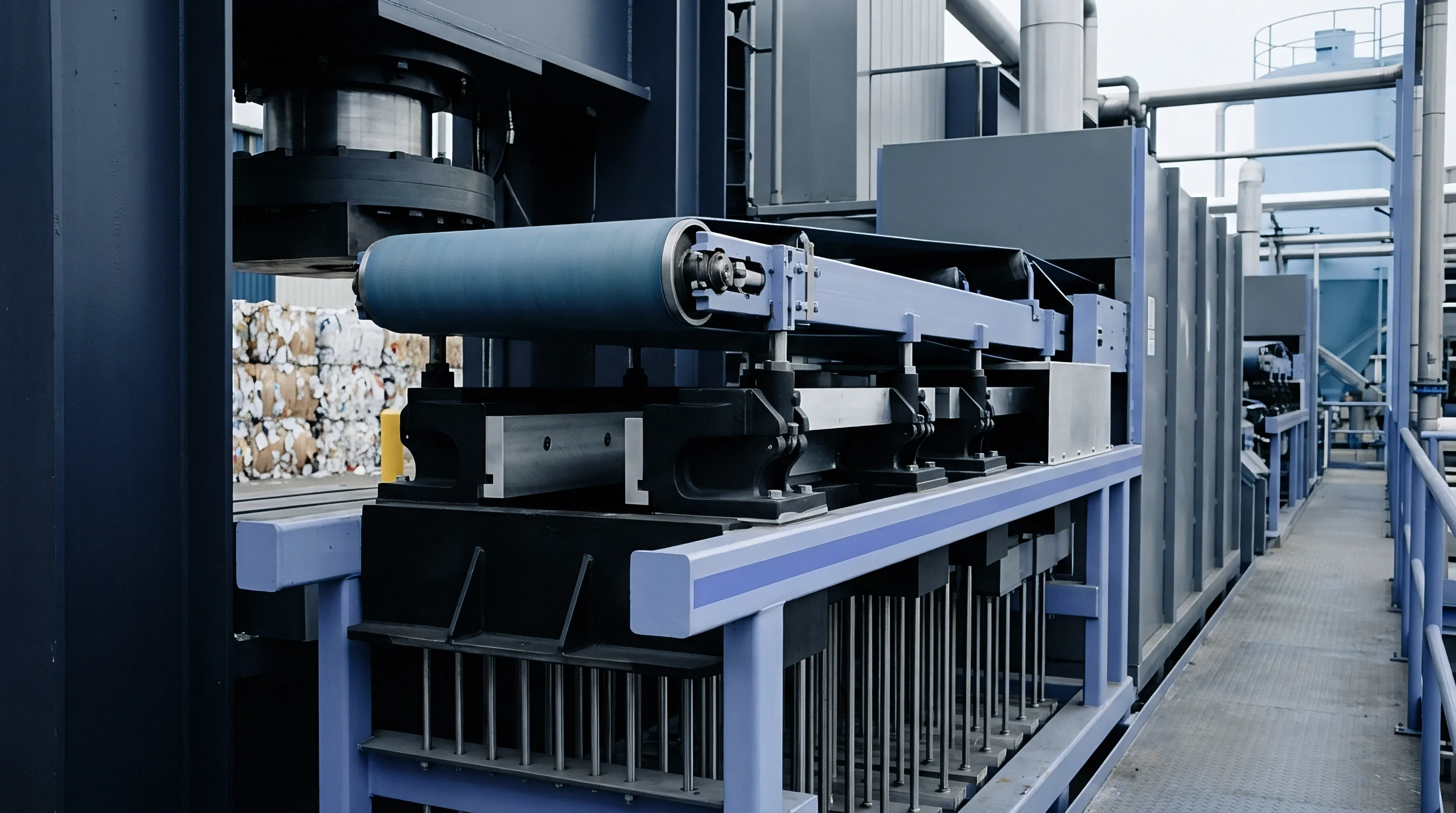
Worked Mass Balance Reconciliation on Packaging Naphtha
Assume a baseline shipment of one hundred metric tons of mixed post-consumer packaging bales delivered to an auger pyrolysis plant. Weighbridge moisture meters record five percent moisture content. Mechanical cleaning screens reject four percent inorganic grit and non-polyolefin contaminants.
The dried, cleaned polymer feed entering the retort measures exactly ninety-one metric tons. Operating data establishes that the pyrolysis stage yields sixty-two percent liquid syncrude, twenty percent non-condensable fuel gas, twelve percent char, and six percent condensable water vapor.
The liquid syncrude yield equals 56.42 metric tons. This crude syncrude undergoes hydrotreating to purge forty parts per million of organic chlorine and twenty parts per million of nitrogen, venting an additional three percent of light hydrocarbon gas to the hydrotreater furnace. The net volume of purified circular naphtha sent to the steam cracker equals 54.73 metric tons.
Inside the high-severity steam cracker, standard stoichiometric yield tests record thirty percent ethylene, sixteen percent propylene, five percent butadiene, thirteen percent benzene-toluene-xylene aromatics, and thirty-six percent methane, hydrogen, and fuel oil residues.
Under a strict fuel-use exclusion standard, the thirty-six percent cracker residue dedicated to heating cracker tubes receives zero recycled resin attribution. The aromatics cut transfers to chemical solvent markets. Secondary rules fix cracker attribution ratios.
The packaging buyer sourcing polypropylene accesses solely the sixteen percent propylene stream. Multiplying the 54.73 metric tons of cracker naphtha by the sixteen percent physical propylene yield produces exactly 8.76 metric tons of certified circular polypropylene monomer. Audited conversion factors govern certified output.
Sourcing departments buying packaging from suppliers claiming seventy tons of circular polypropylene out of that identical one hundred-ton bale run purchase sixty-one tons of unbacked paper allocations.
Under Clause 4.2.1 of the revised chemical mass balance supply annex, any deduction for process energy or fuel gas defaults to zero credit attribution for delivered packaging resins.


Dossier
Chain of custody compliance rests on an auditable trail of trade paperwork rather than chemical tracing markers in the polymer matrix. Liquid chromatography and mass spectrometry bench tests cannot distinguish a polypropylene molecule born from pyrolysis oil from a molecule refined from Brent crude. The sustainability declaration accompanying the commercial invoice serves as the sole barrier against fraudulent claims.
Auditors verifying sustainability records examine physical site balances, credit conversion ledgers, and trade transaction numbers across the entire supply hierarchy.
International certification schemes including ISCC PLUS and REDcert2 govern mass balance book-and-claim accounting throughout petrochemical supply chains. These schemes enforce credit validities, site perimeter rules, and chemical attribution ratios. Certificates attach to business legal entities rather than physical transport containers.
A converter purchasing pellets stamped with a certification seal checks whether the processing facility holding that registration number maintained a positive mass balance credit balance on the exact date of railcar loading.
Clause 7.3 of ISO 22095 disqualifies energy recovery streams from physical mass attribution in certified polymer sales.

Whose Custody Ledger Proves Chemical Recycled Integrity?
Petrochemical suppliers issue sustainability declarations alongside shipping invoices to transfer mass balance credits downstream. Packaging procurement managers verify four core data elements on every shipping document before accepting circular claims for consumer packaging:
- Sustainability declaration certificate identifier verifies that the upstream pyrolyzer and petrochemical cracker hold active status on the scheme registry. Suspended site codes void the downstream trade chain immediately.
- Mass balance attribution method reference confirms whether the supplier applied proportional chemical yield deductions or disqualified gross input balancing. This distinction dictates customs taxability across European frontiers.
- Specific plastic resin grade designation matches the physical polymer pellets delivered on the pallet to the scope entry of the monomer producer. Missing grade descriptions invite customs laboratory verification.
- Quarterly reconciliation statement period defines the accounting window during which raw pyrolysis oil inputs balanced physical olefin outputs. Mismatched calendar windows breach chain of custody rules.
Credit banking perimeters generate friction between converters and brand auditors. Major chemical combines run crackers in multiple geographic territories, pooling mass balance credits generated at an Antwerp pyrolysis plant to sell circular polyethylene from a site located in Texas. European packaging regulations demand site-specific mass conservation, forbidding cross-border credit balancing across non-interconnected transport corridors.
Converters incorporating resins backed by intercontinental credit transfers face regulatory non-compliance during national pack audits.
Independent auditors still debate whether credit banking across different chemical cracker sites within the same corporate balance perimeter preserves the truth of local packaging content declarations.


Statute
Regulatory bodies across the European Union treat unverified recycled content claims as actionable consumer deception. The European Union Packaging and Packaging Waste Regulation mandates strict post-consumer recycled content targets by 2030, establishing a ten percent minimum quota for contact-sensitive plastic packaging other than polyethylene terephthalate. Because mechanical recycling cannot reliably eliminate hazardous chemical migrants to satisfy food-contact health standards in flexible polyolefins, packaging engineers rely heavily on chemical depolymerization to attain this threshold.
European Commission implementing acts establish that mass balance methodologies calculating these quotas must deduct all process fuel and non-polymer outputs.
National fiscal laws penalize inaccurate mass balance accounting directly at the port of entry. The United Kingdom Plastic Packaging Tax charges 217.85 pounds per metric ton on plastic packaging containing less than thirty percent post-consumer recycled material. Spanish plastic tax levies forty-five cents per kilogram on non-recycled plastic packaging components.
Customs authorities enforce these tax provisions by auditing technical qualification files rather than conducting routine dockside visual inspections. The importer pays the uncertified rate. Unchecked claims trigger customs impoundments.
Border Verification and Plastic Packaging Levies
Customs authorities inspect commercial documentation on imported polyolefin barrier laminates to substantiate claimed exemptions from virgin polymer excise tariffs. Packaging importers filing mass balance declarations submit comprehensive chemical mass balance dossiers proving that process fuel deductions occurred before resin attribution. If an audit uncovers that the overseas resin producer utilized gross free-allocation bookkeeping, customs officers invalidate the recycling credit entirely.
Plastic taxes punish false circular credits.
Directive 2024/825 on empowering consumers for the green transition and the proposed Green Claims Directive prohibit environmental product declarations derived from generic mass balance claims without verified environmental chain of custody records. A printed pouch displaying a label asserting seventy percent circular plastic based on gross cracker input credits breaches consumer protection standards. Enforcement bodies assess fines up to four percent of annual commercial turnover for unsubstantiated environmental marketing.
Commercial packaging agreements place financial liability on converters through strict indemnification clauses covering miscalculated supplier yield deductions.

Producer Responsibility Fee Modulation Defense
Extended producer responsibility compliance organizations assess steep penalties against companies submitting uncorroborated post-consumer recovery declarations. Packaging recovery fees in France, Germany, and the Netherlands utilize modulated fee structures, reducing unit levies on packaging proven to incorporate certified post-consumer recyclate. Packaging compliance teams construct defensive evidentiary files before submitting packaging declarations to national compliance registries.
The technical file contains accredited third-party audit reports validating local cracker yield deductions, continuous raw mass balances, and chain of custody certificates matching physical invoice batches.
Customs authorities reclassifying mass-balanced barrier films as virgin plastic assess retroactive packaging taxes alongside compounding administrative fines that eliminate converter margins.