Standardized Caustic Wash Protocols for Rigid Plastic Flake De-Linking
Standardized caustic washes detach inks using eighty-five degree alkaline baths and cleavable primers without bleeding pigments into recycled plastic flakes.
Bath
Caustic wash systems strip surface decoration from polymer substrates by agitating flakes in hot alkaline baths. In rigid polyethylene terephthalate recycling, dissolved sodium hydroxide attacks the adhesive or primer holding ink to the container wall. Saponification breaks down synthetic binders and disperses insoluble pigments throughout the aqueous medium, while operating temperatures keep the resin above its secondary relaxation point without shrinking flakes enough to trap pigment in curved profiles.
Recycling plants use either continuous counter-current lines or batch-fed agitated tanks. How deeply the chemical penetrates gravure, flexographic, or screen-printed inks depends on dwell time in the bath. Short contact leaves ink anchored to the polymer, where heat during extrusion bakes residual resin into visible specks.
Conversely, overly aggressive chemical conditions shear the base polymer chains, dropping intrinsic viscosity and yellowing clear polyester regrind.
Aqueous Sodium Hydroxide Concentration Parameters
Commercial wash systems target sodium hydroxide concentrations between 1.0 percent and 2.5 percent by weight. If active alkali drops below 0.8 percent, binder displacement slows dramatically, leaving adhesive residues on chipped necks and sidewalls. Holding at 1.0 percent sodium hydroxide maintains sufficient hydroxyl ion density to hydrolyze the ethyl ester, carboxylate, and anhydride linkages common in functional primers.
Non-ionic wetting agents complement the caustic solution at 0.1 percent to 0.3 percent volume per volume, lowering the contact angle of the hot wash against low-surface-energy polyolefins and PET flakes. Rapid chemical wetting lets the liquor creep beneath cured ink films through micro-fissures formed during granulation.
Surfactant concentrations exceeding 0.3 percent by volume produce persistent foam layers that impede flake submersion at eighty-five degrees Celsius.
Industrial systems track electrical conductivity continuously to monitor active sodium hydroxide loss. Acidic food residues, absorbed carbon dioxide, and binder saponification drain active hydroxide ions during production runs. When conductivity drops below set thresholds, automated dosing skids inject concentrated caustic solution to prevent unwashed flake lots from advancing to the dryers.

Thermal Dwell Windows for Flake Integrity
Process temperatures must balance ink dissolution against the structural stability of the underlying polyester. Standard protocols set washing temperatures between eighty-five degrees and eighty-eight degrees Celsius. Agitation keeps the chipped flakes in turbulent suspension over a ten to fifteen minute dwell period.
Below eighty degrees Celsius, higher solution viscosity slows chemical diffusion through crosslinked topcoats.
Exposing polyester chips to temperatures above ninety degrees Celsius causes surface saponification. Sodium hydroxide attacks ester bonds in the polybutylene and polyethylene terephthalate backbone, generating water-soluble disodium terephthalate and ethylene glycol. This erosion leaves a cloudy, micro-etched surface that scatters light and degrades the optical clarity of re-extruded pellets.
| Protocol Standard | Sodium Hydroxide Weight | Surfactant Dosing | Wash Temperature | Dwell Duration | Mechanical Agitation Mode |
|---|---|---|---|---|---|
| APR PET-CG-01 | 1.0 percent | 0.3 percent non-ionic | 85 to 88 degrees Celsius | 15 minutes | Continuous low-shear paddle agitation |
| RecyClass Deinking | 1.0 percent | 0.1 percent non-ionic | 85 degrees Celsius | 10 minutes | Mechanical stirred baffled tank |
| EPBP Standard Wash | 2.0 percent | 0.1 percent non-ionic | 85 degrees Celsius | 15 minutes | Turbulent hydrodynamic suspension |
| DIN SPEC 54400 | 1.5 percent | 0.2 percent non-ionic | 80 to 85 degrees Celsius | 12 minutes | Friction washer shear field |
Handling chipped material in high-temperature vessels requires tight control over flake geometry. Granulators equipped with eight-millimeter to twelve-millimeter discharge screens produce flakes that settle predictably. Fines smaller than two millimeters settle too slowly and drag excess liquid into dewatering centrifuges, draining chemical reserves early.
Wash systems operating with weak chemical concentrations or unstable thermal profiles yield regrind that fails visual purity checks downstream, forcing entire production lots into low-value applications like strapping or textile fiber.

Primer
Delamination chemistry moves the failure point from the outer print surface down to the substrate boundary. Caustic-cleavable primers create a sacrificial interlayer between the treated plastic and the decorative inks. When this underlying bridge swells in alkali and gives way, cured ink films release intact without shattering into microscopic pigment dust.
Converters apply these release coats on high-speed flexographic or gravure presses before laying down color. Coat weights must hit tight tolerances to ensure full coverage across container sidewalls. Any gaps anchor overlying UV-cured or electron-beam inks directly to corona-treated plastic, trapping pigment through the wash phase.
Overly heavy coats increase drying costs and invite internal cohesive failure under winding tension.
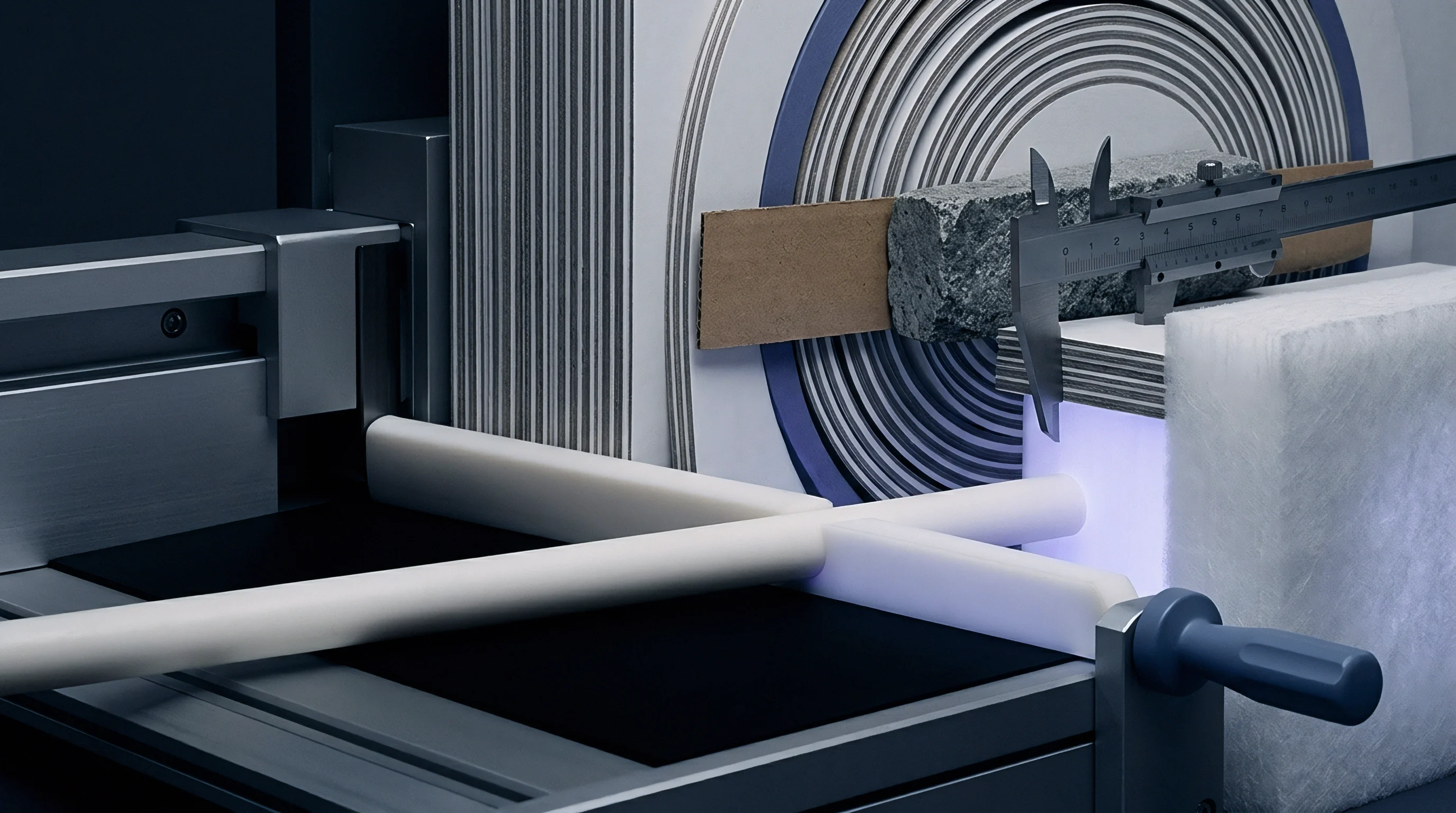
Saponification Mechanics at the Binder Interface
Hydroxyl ions in the wash liquid pass through micro-pores in pigment topcoats to reach the alkaline-labile layer, where ester hydrolysis converts water-insoluble acrylic or vinyl resins into carboxylate salts. Rapid hydration of these carboxylate groups generates localized osmotic pressure beneath the ink skin, swelling the layer and severing adhesive contact with the polymer surface.
Crosslinked acrylate networks resist swelling because radiation-cured inks rely on polyfunctional monomers that form dense, hydrophobic cages. Applied straight to bare plastic, these thermoset networks withstand hot caustic solutions and remain stuck to flakes through aggressive agitation. An alkaline-sensitive primer bypasses that dense crosslinking by inserting an ester-rich, readily hydrolyzable resin beneath the ink layer.
A primer dry coat weight of 0.8 grams per square meter releases cured decorative layers without cohesive splitting during standard caustic agitation.
The release sequence unfolds through sequential chemical and mechanical stages during industrial container reprocessing:
- Hydroxyl Penetration allows alkaline fluid to enter through unprinted flake edges and topcoat micro-fissures, reaching the dry release film.
- Resin Ionization converts carboxylic acid groups along the polymer backbone into carboxylate salts, driving rapid hydration.
- Hydrodynamic Lift uses fluid shear forces to strip softened ink off the unetched plastic surface in large sheets.
- Centrifugal Extraction pulls suspended ink fragments from the wash liquid before pigments can dissolve or redeposit.
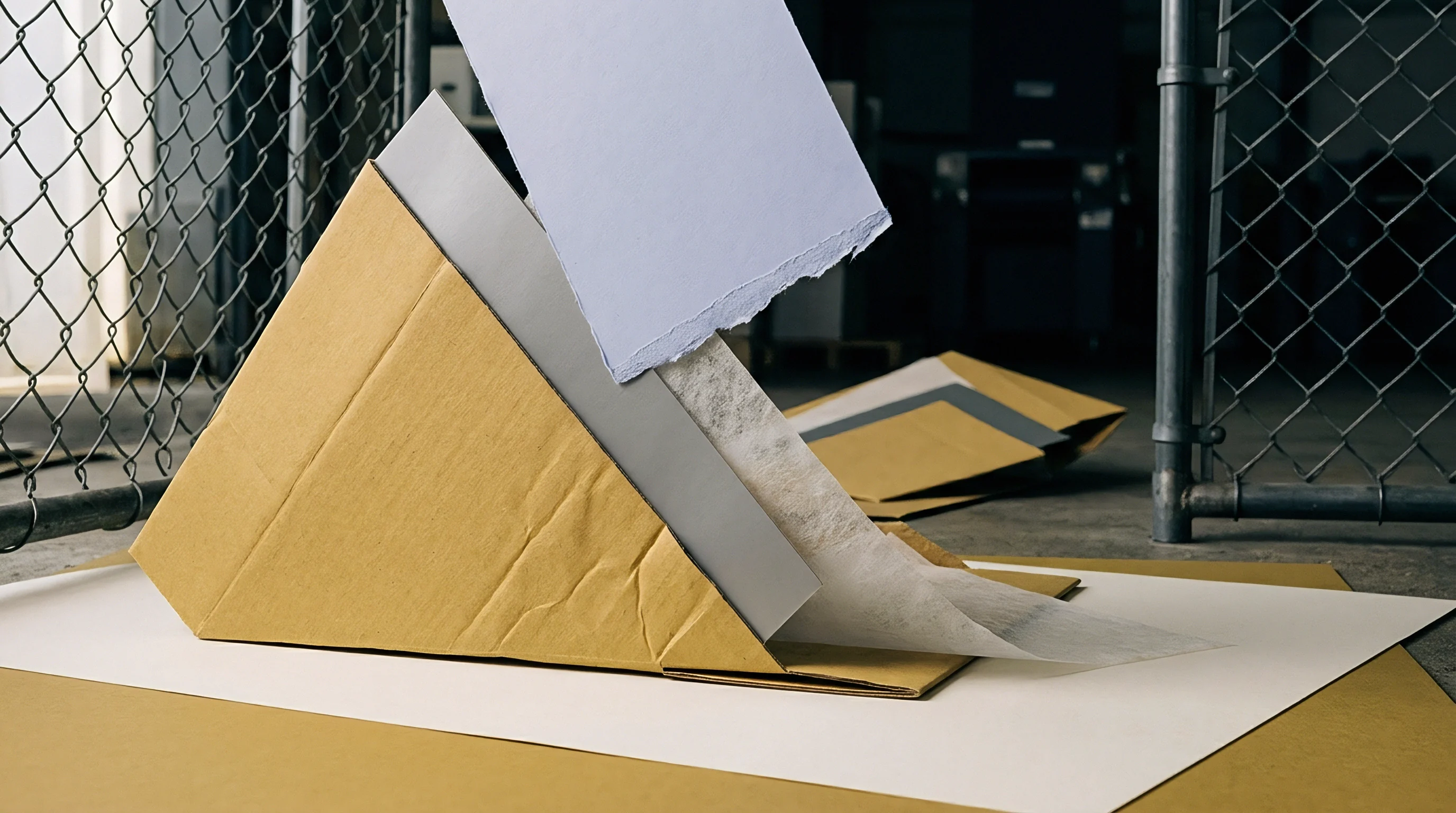
Alkali Soluble Resin Backbone Architectures
Caustic-responsive primers rely on polymer resins with high acid values, typically between 120 and 220 milligrams potassium hydroxide per gram of solid resin. Styrene-maleic anhydride copolymers, alkali-soluble acrylics, and functionalized sulfopolyesters dissolve rapidly in eight-percent to two-percent sodium hydroxide solutions, as high carboxyl density drives fast water solubility once salt conversion occurs at elevated temperatures.
Glass transition temperatures for these primer binders must stay above fifty degrees Celsius to avoid blocking during web rewinding or sheet stacking. Binders with insufficient heat resistance soften in hot-air drying tunnels, transferring ink onto transport rollers. Crosslinkers in the primer balance block resistance against wash-off efficiency; zinc oxide solutions or zirconium carbonate salts create temporary ionic crosslinks that withstand ambient moisture but break down in hot alkaline baths.
Converting specifications require primer layers to achieve complete flake separation under APR PET-CG-01 guidelines without lowering substrate intrinsic viscosity or exceeding color shift thresholds relative to unprinted virgin controls.


Bleed
Pigment dissolution in recycling wash water threatens circular packaging streams. While insoluble pigments that disperse as suspended solids are easily captured with mesh screens and centrifugal cyclones, water-soluble dyes and poorly bound organic pigments release fine colorants into the hot caustic bath. Once contaminated, the liquid penetrates the boundary layer of clear polyester flakes, permanently tinting the recycled polymer.
Filtration systems continuously clean process liquor to extend chemical life and cut wastewater discharge. But if soluble colorants slip past multi-stage rotary screens, the wash bath becomes a dye bath. Clear polyester flakes absorb yellow, magenta, and cyan hues at eighty-five degrees Celsius, lowering resin lightness and driving chromatic coordinates outside acceptable packaging limits.

Can Caustic Cleavable Primers Prevent Redeposition Staining?
Functional base layers prevent staining by keeping the decorative ink intact as it peels away. These unbroken film fragments pass directly to screen separators without shedding individual pigment particles into the liquor, keeping loose colorants from recirculating over clean polymer surfaces.
Wash systems carrying fugitive pigments yield flakes with mottled chromatic shifts across granulate cross-sections. Printing directly on plastic without a barrier primer allows low-molecular-weight colorants to diffuse into warm, amorphous regions of the container, where mechanical washing cannot extract pigments that have dissolved straight into the polymer matrix.
Wash liquor turbidity must remain below fifty nephelometric turbidity units to avoid chromatic redeposition onto clear polyester flakes.
Pigment selection determines whether detached ink fragments bleed or remain inert in caustic solutions. Azo-based pigments with sulfonic acid or metal salt ligands can undergo trans-metalation or salt exchange in sodium hydroxide, generating water-soluble species. In contrast, high-performance quinacridone, phthalocyanine, and diketopyrrolopyrrole pigments maintain their crystal structure, resisting chemical attack and keeping wash water clear.
| Measurement Target | Standard Condition | Upper Acceptance Limit | Evaluation Instrument | Commercial Consequence |
|---|---|---|---|---|
| Filtrate Transmittance (400 nm) | Filter through 5 µm mesh | Minimum 90 percent | Spectrophotometer transmission cell | Prevents liquor yellowing |
| Filtrate Transmittance (600 nm) | Filter through 5 µm mesh | Minimum 95 percent | Spectrophotometer transmission cell | Prevents blue dye absorption |
| Flake Delta E ab Drift | CIE D65 illuminant, 10 deg | Maximum 1.5 units | Spectrophotometer reflection port | Preserves food-grade pellet clarity |
| Flake Lightness (L ) Shift | Measured against virgin resin | Maximum drop 2.0 units | Reflectance colorimeter | Avoids graying in re-extrusion |
| Wash Water Turbidity | Centrifuged liquor sample | Maximum 45 NTU | Ratio turbidimeter | Permits continuous liquor reuse |
Soluble pigments ruin clear rPET batches quickly. Wash liquor loaded with dissolved organic dyes can stain hundreds of kilograms of polymer within seconds if a circulation pump fails. Because color density at flake thicknesses of 0.3 millimeters sits below camera detection thresholds, optical sorters cannot isolate tinted flakes, leaving the final extruded pellets visibly discolored.
Although minor wash-water coloration is sometimes expected to clear during standard centrifugal rinse passes, tinted polyester chips still enter drying silos with uncorrected chromatic defects.


Friction
Mechanical action complements chemical dissolution when stripping tough packaging finishes. Agitated soaking softens primer layers, but stagnant boundary layers often prevent partially hydrolyzed ink from separating cleanly. High-speed friction washers solve this by using rotating paddle shafts to fling flakes against perforated screen baskets, mechanically abrading softened decorative layers to clear textured and embossed surfaces.
Centrifugal acceleration drives fluid movement at the flake surface. Slurry profiles in industrial friction washers generate shear rates above ten thousand reciprocal seconds, physically scrubbing swollen ink away from plastic walls while replacing exhausted reagents with fresh alkaline wash.
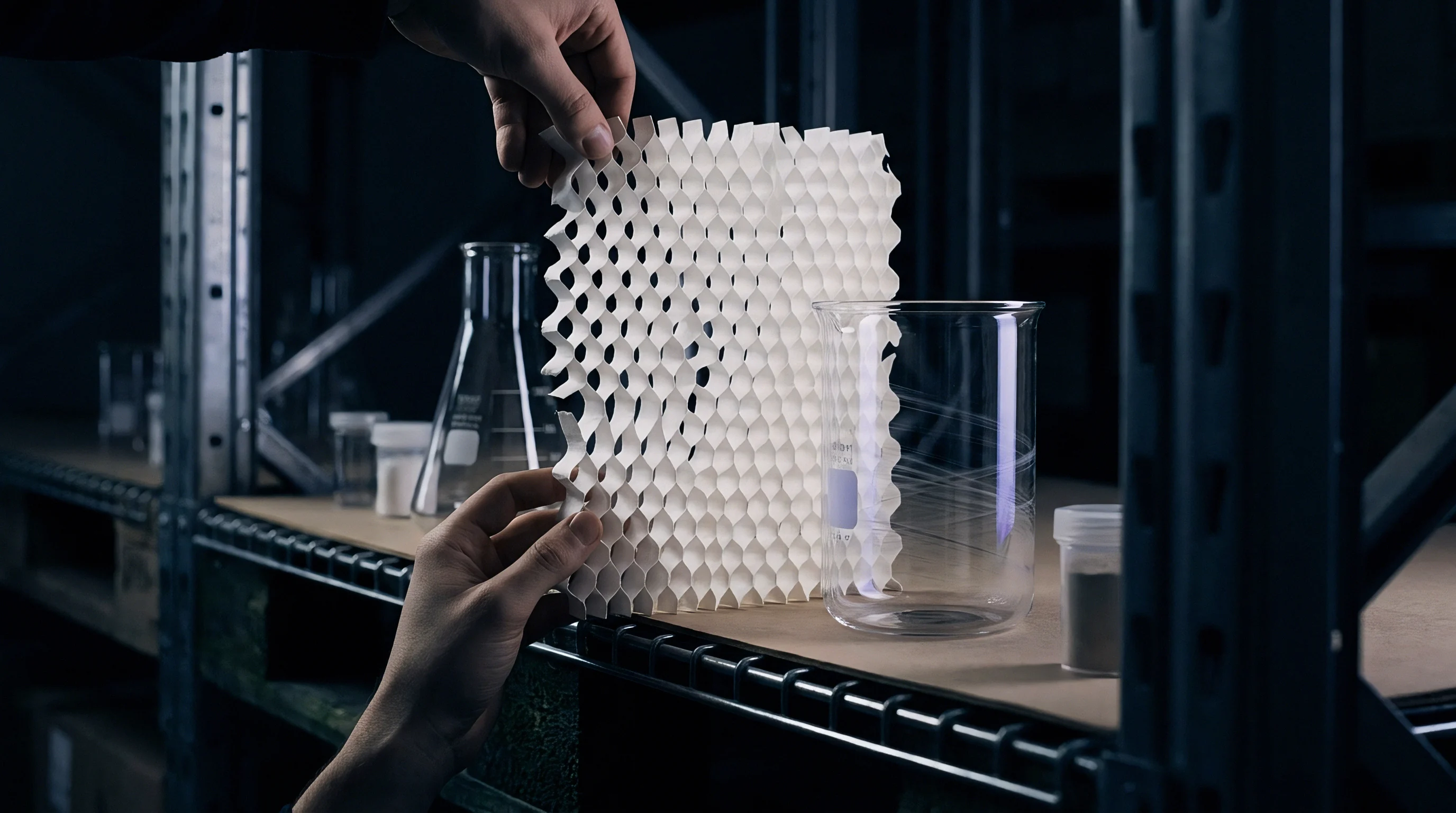
Mechanical Shear Dynamics in Turbo Washers
Rotor tip speeds dictate how much kinetic energy reaches suspended plastic particles. Shafts operate between six hundred and one thousand revolutions per minute inside cylindrical screens, creating particle-to-particle collisions that strip ink from flake surfaces without shattering the rigid PET into unrecoverable fines.
Low-shear batch vessels allow flat flakes to stack face-to-face, shielding interior printed surfaces from chemical contact during the thermal cycle. Turbo washers break up this laminar stacking by forcing flakes into continuous three-dimensional vortex flows, exposing all sides to dynamic mechanical impacts.
Commissioning an industrial friction unit requires strict adherence to mechanical and structural parameters:
- Rotor Paddle Clearance maintains an eight-millimeter to twelve-millimeter gap against the outer basket screen to prevent plastic pinching.
- Screen Perforation Geometry incorporates two-millimeter conical holes with reverse relief profiles to eject dislodged ink cakes without plugging.
- Slurry Residence Velocity regulates axial flake transport rates to keep dynamic contact times between ninety and one hundred eighty seconds.
- Counter Current Rinsing injects clean process wash water at the rotor discharge point to flush loosened solids out of the flake flow.
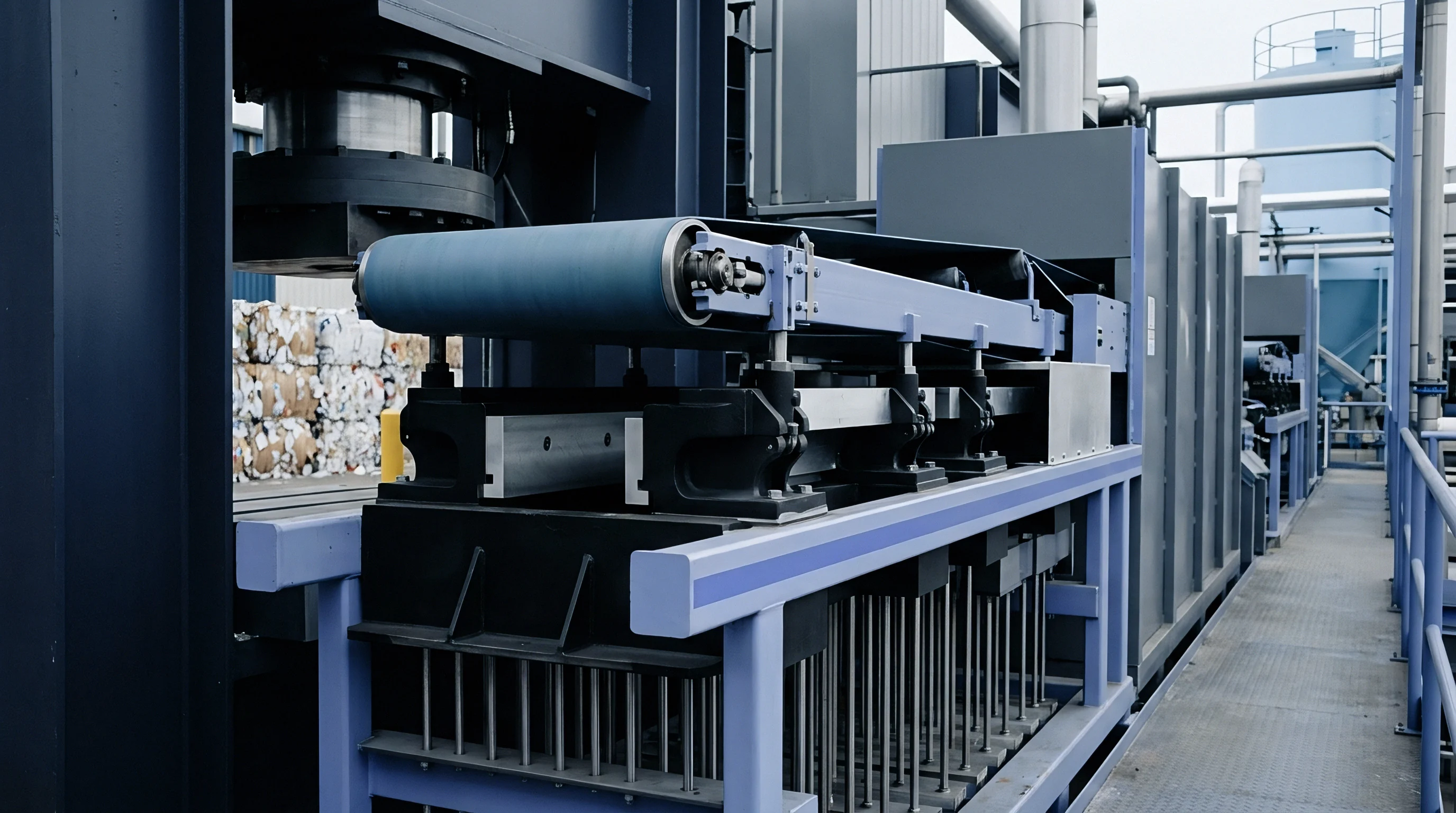
Boundary Layer Stripping across Flake Surfaces
Viscous drag creates a stagnant liquid sublayer on the polymer surface, slowing hydroxyl ion diffusion toward the primer interface. High mechanical shear compresses this boundary layer, thinning the diffusion zone from hundreds of micrometers down to single-digit dimensions so hydroxyl ions reach hydrolyzable groups rapidly and cut required dwell times.
Inks loaded with dense mineral fillers like titanium dioxide or barium sulfate have specific gravities above 1.3 grams per cubic centimeter. Once detached, these heavy fragments must pass through screen perforations before flakes reach float-sink separation tanks. Otherwise, high-density ink fragments sink alongside clean polyester chips, contaminating the polymer melt during extrusion.
High-speed friction lines must carefully balance cleaning efficiency against mechanical attrition, as overly aggressive paddle profiles reduce brittle polyester flakes to unrecyclable dust.

Toll
Failures during de-linking trigger immediate financial losses across the recycling and converting supply chain. Flake lots contaminated with residual ink, crosslinked adhesives, or bleed-tinted polymer lose commercial value, as buyers of food-contact resin reject materials failing optical purity standards or showing VOC contamination from pyrolyzed ink binders.
Contaminated regrind trades at a severe discount. Clean, defect-free clear rPET flakes command premiums between three hundred and five hundred dollars per metric tonne over mixed-color or unwashed regrind. When packaging uses ink systems that resist standard caustic wash protocols, the post-consumer containers lose bottle-to-bottle utility and end up downcycled into lower-grade applications.

Extrusion Screen Pack Pressure Variance Metrics
Residual ink binders cause immediate operational disruptions during pellet extrusion. When unwashed ink enters compounding extruders at temperatures between two hundred sixty and two hundred eighty degrees Celsius, organic pigments and crosslinked acrylics carbonize. These solid carbon particles collect on melt filtration screens, driving rapid backpressure spikes.
With clean flake feeds, pressure build-up across a forty-four-micrometer extruder screen pack averages two to five bar per hour. However, feeds bearing five percent unwashed ink residue produce pressure increases exceeding thirty bar per hour as entrained pigments blind filter screens, forcing frequent automated screen changes, purging cycles, and manual intervention.
| Operational Cost Item | Compliant Caustic De-linked Flake | Non-compliant Crosslinked Ink Flake | Variance Impact |
|---|---|---|---|
| Virgin Pellet Price Spread | Minus 150 dollars per metric tonne | Minus 650 dollars per metric tonne | 500 dollar loss in raw flake value |
| Extruder Screen Pack Life | 8 to 12 hours continuous operation | 1.5 to 2.5 hours before filter blind | 75 percent reduction in line efficiency |
| Modulated EPR Fee (Western Europe) | Base tier rate (0.12 Euro per kg) | Maximum penalty (0.45 Euro per kg) | 330 Euro penalty per tonne packaged |
| Melt Purge Material Loss | 0.5 percent of gross throughput | 3.8 percent of gross throughput | 33 kilograms lost resin per tonne run |
| Pellet Intrinsic Viscosity Retention | 0.78 to 0.82 deciliters per gram | 0.68 to 0.72 deciliters per gram | Precludes stretch blow molding use |

Modulated Fee Penalties for Nonclearing Inks
Extended Producer Responsibility schemes across major European markets penalize packaging components that hinder mechanical recycling. Organizations like Citeo in France and the Central Agency Packaging Register in Germany place packages with non-washable direct printing or bleeding inks into penalty fee tiers, levying surcharges directly on brand owners per kilogram of finished packaging placed on the market.
Packaging engineers can calculate the full financial impact of choosing direct print systems that omit an alkaline-cleavable primer. While skipping the primer saves three to eight dollars per thousand printed containers on press, the brand owner downstream absorbs EPR fee surcharges reaching several hundred dollars per metric tonne of distributed packaging. Converters who factor in this balance protect both margins and client relationships.
Will future international regulatory frameworks harmonize industrial wash-off protocols across geographic boundaries, or will competing regional test standards continue to fragment global packaging specifications?