Standard Evaluation
Peel resistance measurements provide the primary data for comparing the bond strength between flexible adherends. Practitioners use astm d1876 to quantify the force required to separate two bonded layers when they are pulled apart at a constant rate in a T-shaped configuration.
Mechanical Execution
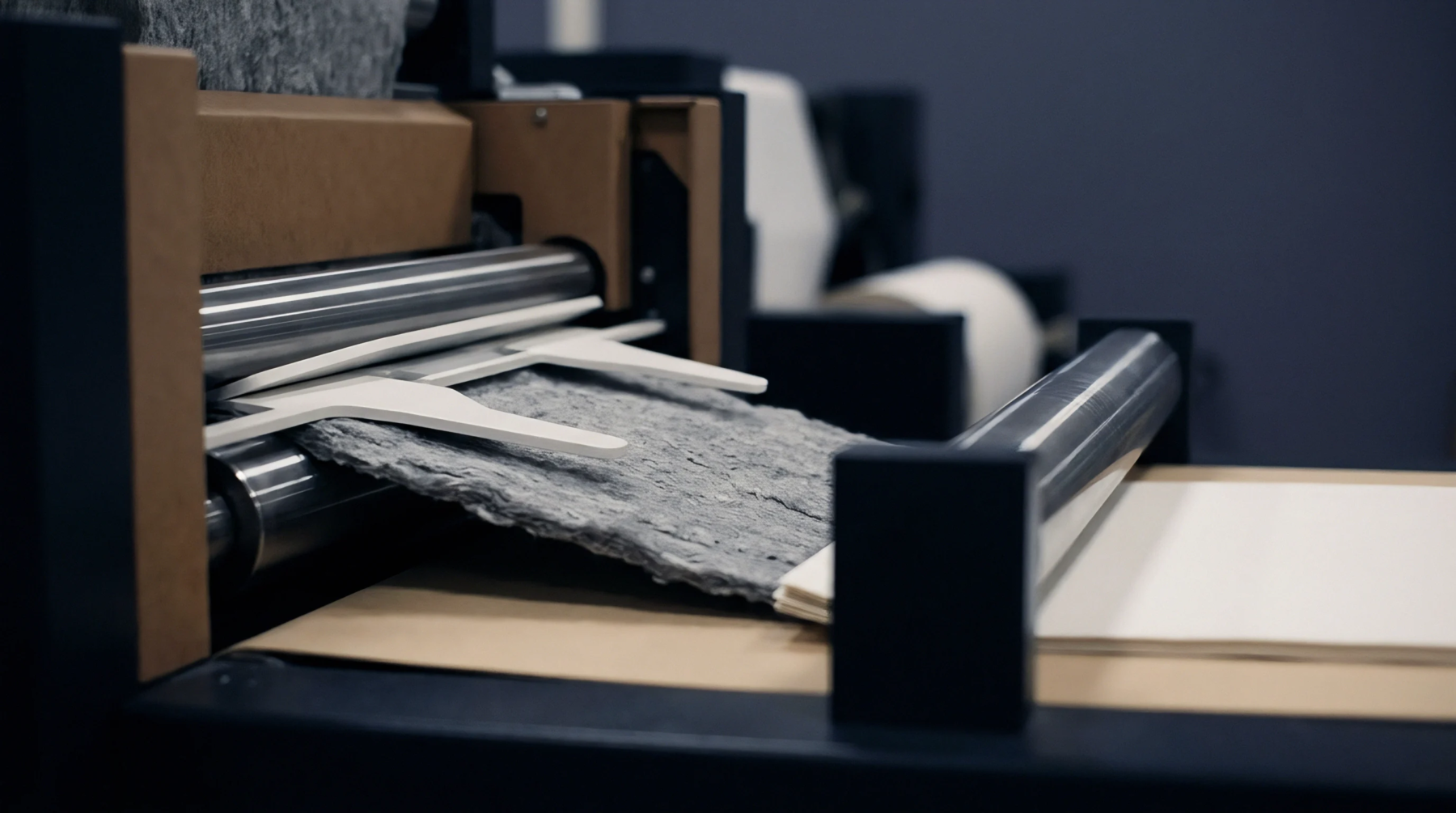
Testing begins by clamping the unbonded ends of a specimen in the grips of a tensile testing machine. As the crosshead moves, it peels the laminates apart and records the average load over a specified length of the bond. This procedure relies on the flexibility of the materials to ensure the force acts perpendicular to the bond line.
Constant speed control ensures the data records the steady state stripping force rather than peak initiation values.
Industrial Application
Packaging converters rely on these results to verify that heat seals or adhesive bonds in flexible pouches hold during transit and handling. Variations in coating weight or curing temperature often cause the measured force to drop below specified minimums. Because the method focus is on flexible substrates, it excludes rigid boards that would snap under the 180 degree bending requirement.
The resulting value helps determine the suitability of a laminate for retort or vacuum applications.