Compressive Strength
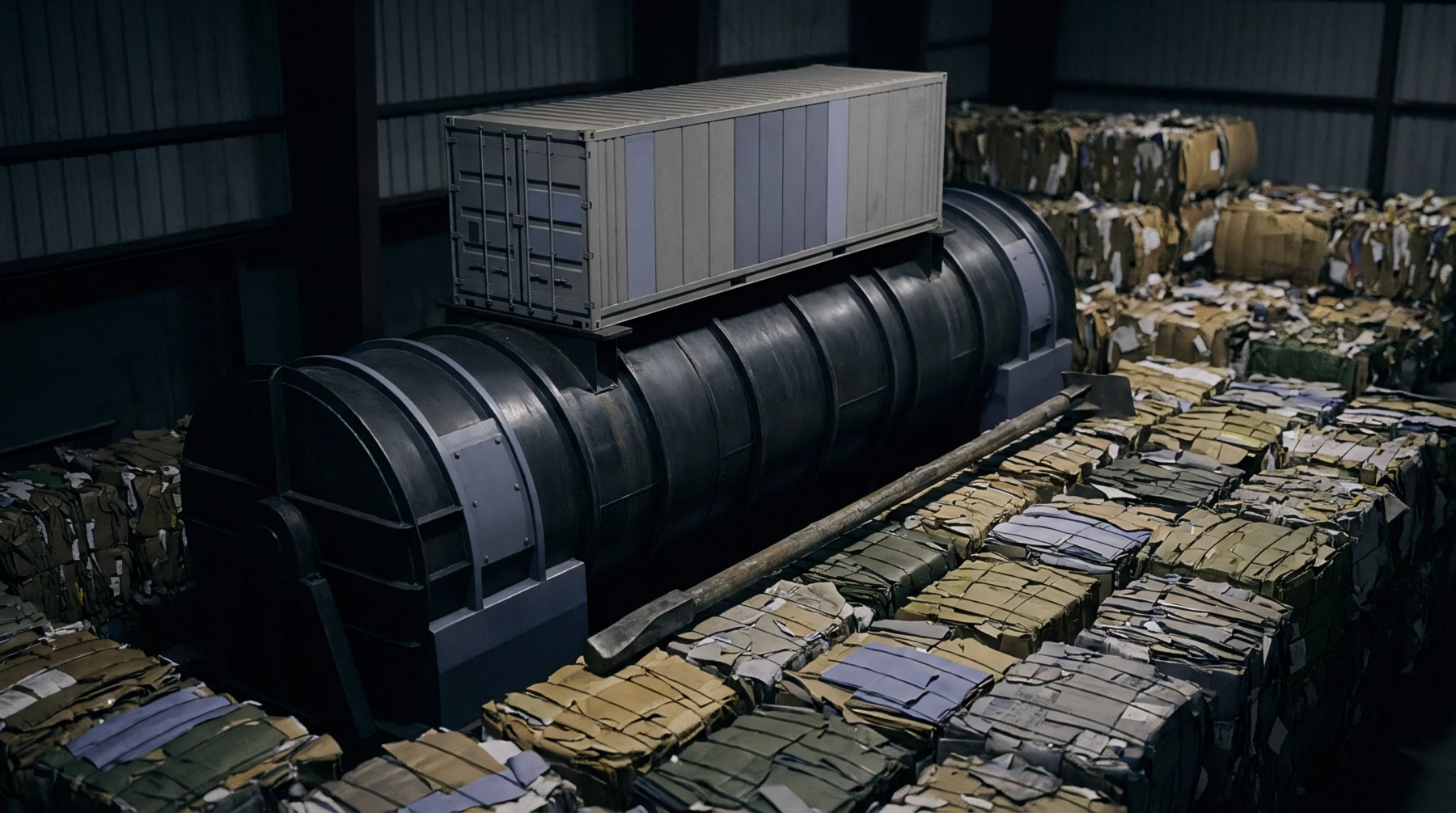
Structural resistance to stacking loads diminishes over time when corrugated containers face sustained humidity and variable warehouse climates, a phenomenon designated as box compression test decay within transit packaging specifications. Continuous downward forces create creep deformation in fluting mediums, which reduces safe vertical stacking heights during long-term pallet storage in distribution depots. Converters measure initial flat crush values on freshly manufactured corrugated board before moisture absorption lowers the stiffness of the recycled linerboards.
Corrugated boxes lose structural integrity when ambient relative humidity exceeds critical thresholds, because water molecules disrupt hydrogen bonds holding cellulose fibres together. Laboratory technicians apply dead weight loads inside climate chambers to simulate multi-layer warehouse stacking under controlled environmental conditions.
Environmental Aging
Relative humidity levels govern the rate at which cellulose fibres absorb atmospheric moisture, altering mechanical properties throughout supply chain storage cycles. High moisture content softens lignin binders inside paperboard walls, accelerating vertical deflection under constant compressive stress. Packaging engineers monitor ambient dew points to predict how seasonal weather shifts will impact corrugated container performance during ocean freight shipping.
Fluctuating temperatures generate thermal gradients that force moisture migration through corrugated flutes, compounding structural degradation in bottom tier cartons.
Load Retention
Creep rupture limits dictate safe warehousing intervals for corrugated packaging subjected to sustained warehouse stacking pressures. Warehouse managers calculate maximum stack heights by applying reduction factors to initial laboratory crush test results. Corrugated board loses structural stability when constant weight loads exceed specific percentages of maximum short-term breaking force.
Stacking patterns require interlocking column designs to distribute downward forces evenly across all four vertical container walls, preventing premature buckling. Bottom tier cartons experience accelerated material fatigue during extended storage periods, necessitating early inventory rotation schedules to avoid warehouse collapses.