Structural Metric
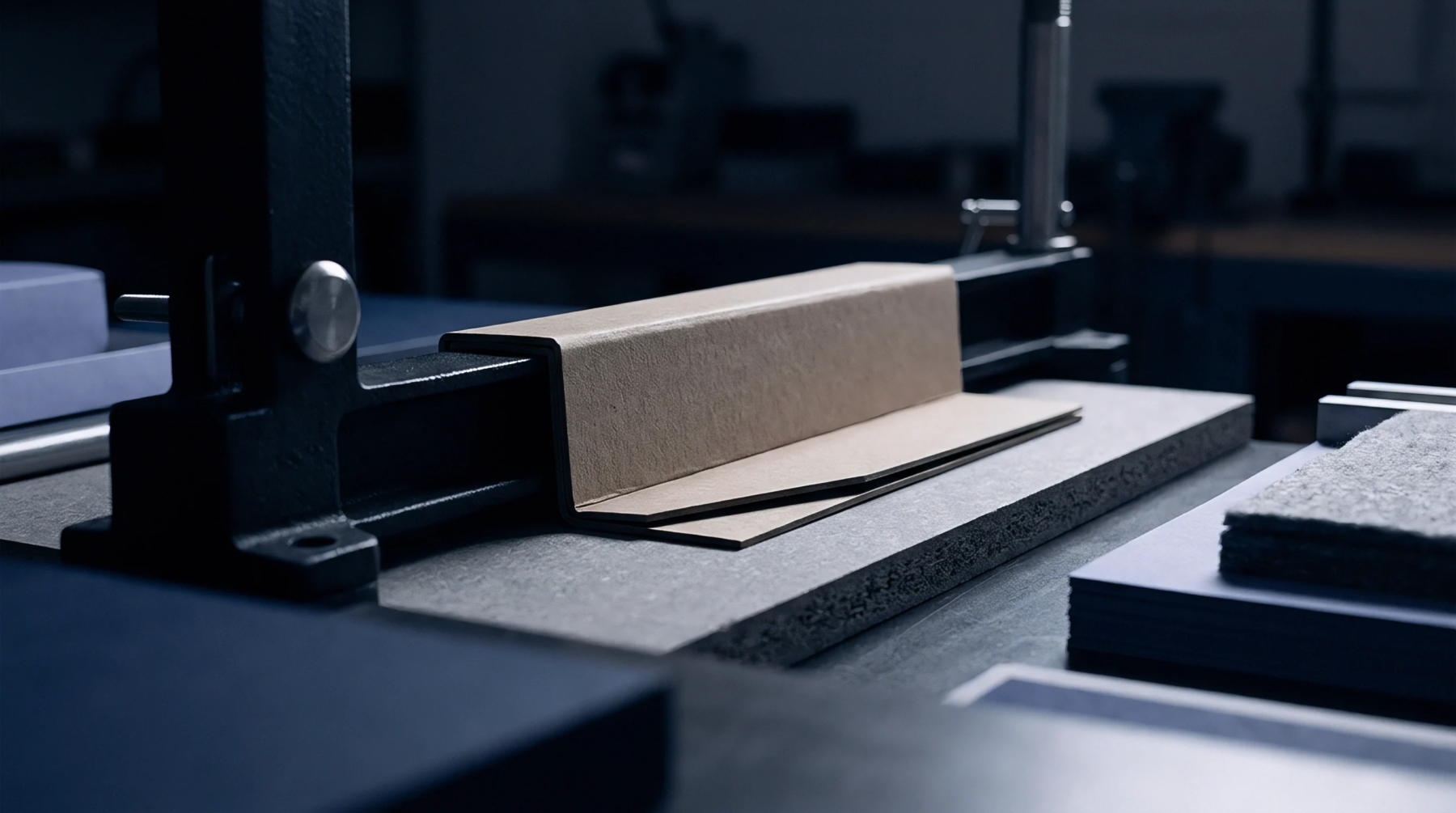
Mechanical testing in packaging board defines the force required to deflect a rectangular specimen through a specified angular displacement over a fixed span. This laboratory parameter, designated as bend resistance, quantifies elastic flexural stiffness before permanent fibre yield occurs. Testing instruments apply load at ninety degrees or fifteen degrees according to standards such as ISO 2493 or TAPPI T 556.
The value depends on board caliper raised to the third power along with the intrinsic tensile modulus of outer plies. Pure flexural resistance stops describing material behavior once creasing or scoring introduces localized plastic deformation.
Converting Influence
High-speed automated carton erection lines require consistent stock deflection values to prevent carton jamming and vacuum cup misfeeds. In commercial carton packaging, bend resistance governs how blank panels react to folding swords and pneumatic pushers during high-velocity forming. Excessive board stiffness causes packaging lines to stall or spring open glued flaps, while inadequate resistance leads to panel bowing under vertical compressive load.
Adjusting the ratio between machine direction and cross direction resistance balances top-load strength against opening force requirements.
Substrate Variation
Multi-ply board constructions provide higher flexural resistance per unit grammage than single-ply solid bleached boards because low-density thermo-mechanical pulp sits between dense chemical pulp outer layers. In recycled grades, lower fibre bonding strength reduces cross-direction bend resistance across identical sheet calipers. Moisture absorption softens inter-fibre hydrogen bonds and causes a marked loss in bending rigidity under humid warehousing conditions.