Extrusion Geometry
Polymer processing systems shape molten thermoplastic resins into continuous tubular bubbles that cool, collapse and flatten into flexible packaging webs. Extruders feed LDPE, LLDPE or EVOH through an annular circular die, after which blown film expands pneumatically under internal air pressure to achieve target layflat dimensions and wall gauges. The operational scope covers flexible substrate manufacturing and multi-layer barrier laminations, stopping where cast extrusion on chilled chrome rolls begins.
Bubble Aerodynamics
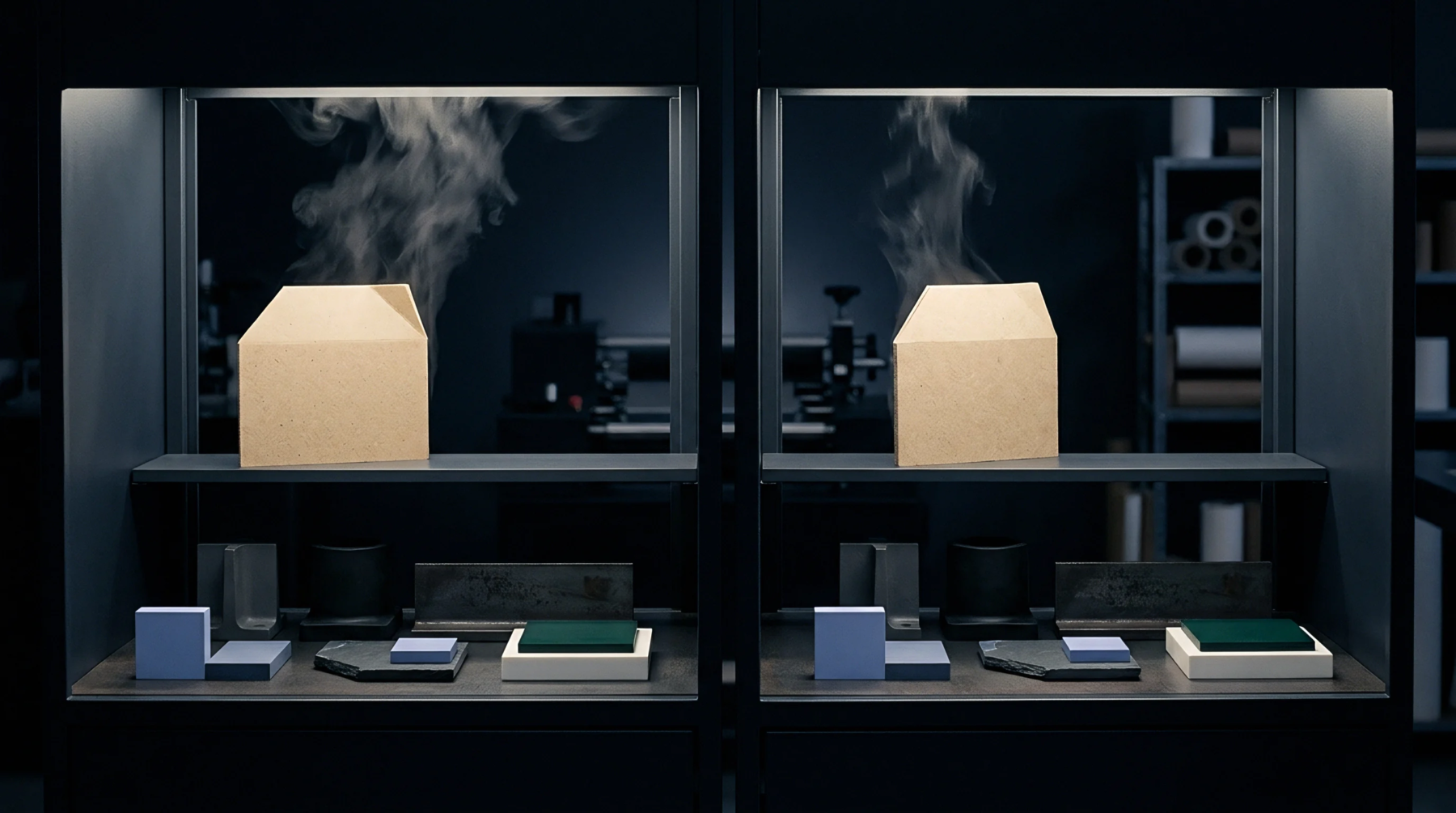
Extruders drive resin pellets through heated screw barrels where shear friction generates a homogenous polymer melt at temperatures between 180 and 230 degrees Celsius. The molten stream exits upward through an annular die gap, forming an expanding tubular bubble supported by internal air volume. High-velocity cooling rings deliver ambient or chilled air around the external neck circumference, solidifying the melt at the designated frost line height.
Operators balance the blow-up ratio, which represents the bubble diameter relative to the die diameter, against the mechanical take-up speed of collapsing frames. This dual stretching simultaneously orientates polymer chains across both machine and transverse directions. Balanced biaxial orientation gives the cooled membrane superior tear propagation resistance and puncture toughness compared to chill-roll cast methods.
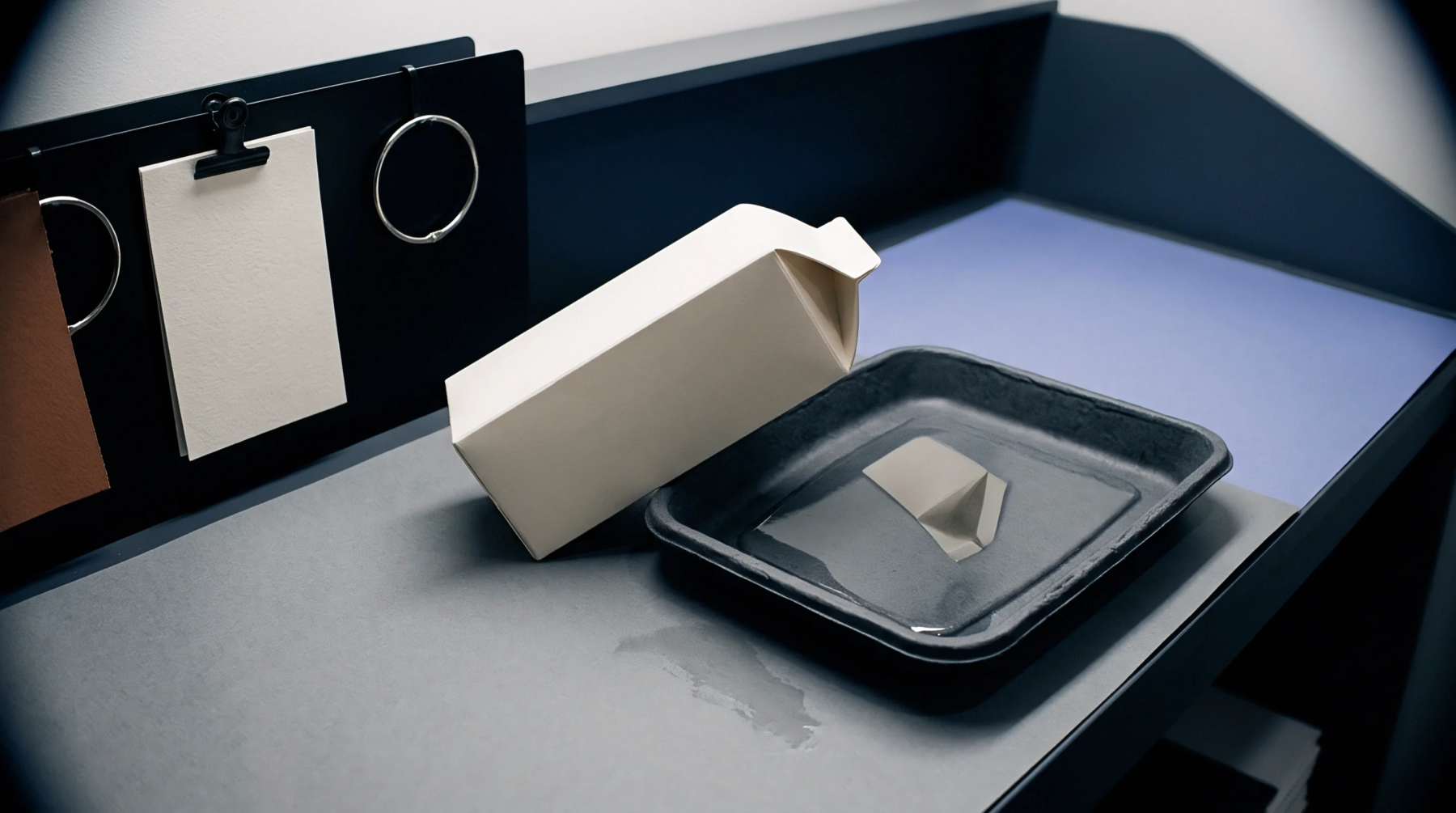
Converters subsequently laminate this collapsed tubular web to folding boxboard or kraft liner to create hermetic moisture barriers for frozen food and liquid packaging.
Barrier Performance
Heat-seal integrity and flex-crack resistance govern how well the resulting flexible composite performs across high-speed form-fill-seal packaging equipment. Blown film delivers uniform thickness tolerances within five percent across wide web profiles, preventing tracking errors and uneven tension during continuous pouch forming. Inadequate bubble cooling creates thickness variations, inducing gauge bands on rewind spools that wrinkle paperboard during extrusion lamination steps.
Melt temperature instability also introduces microscopic pinholes that compromise water vapour transmission rates. Multilayer blown film structures incorporate functional tie-layers to bind polyolefins to cellulosic paperboard without delamination during subsequent creasing and folding operations.