Density Control
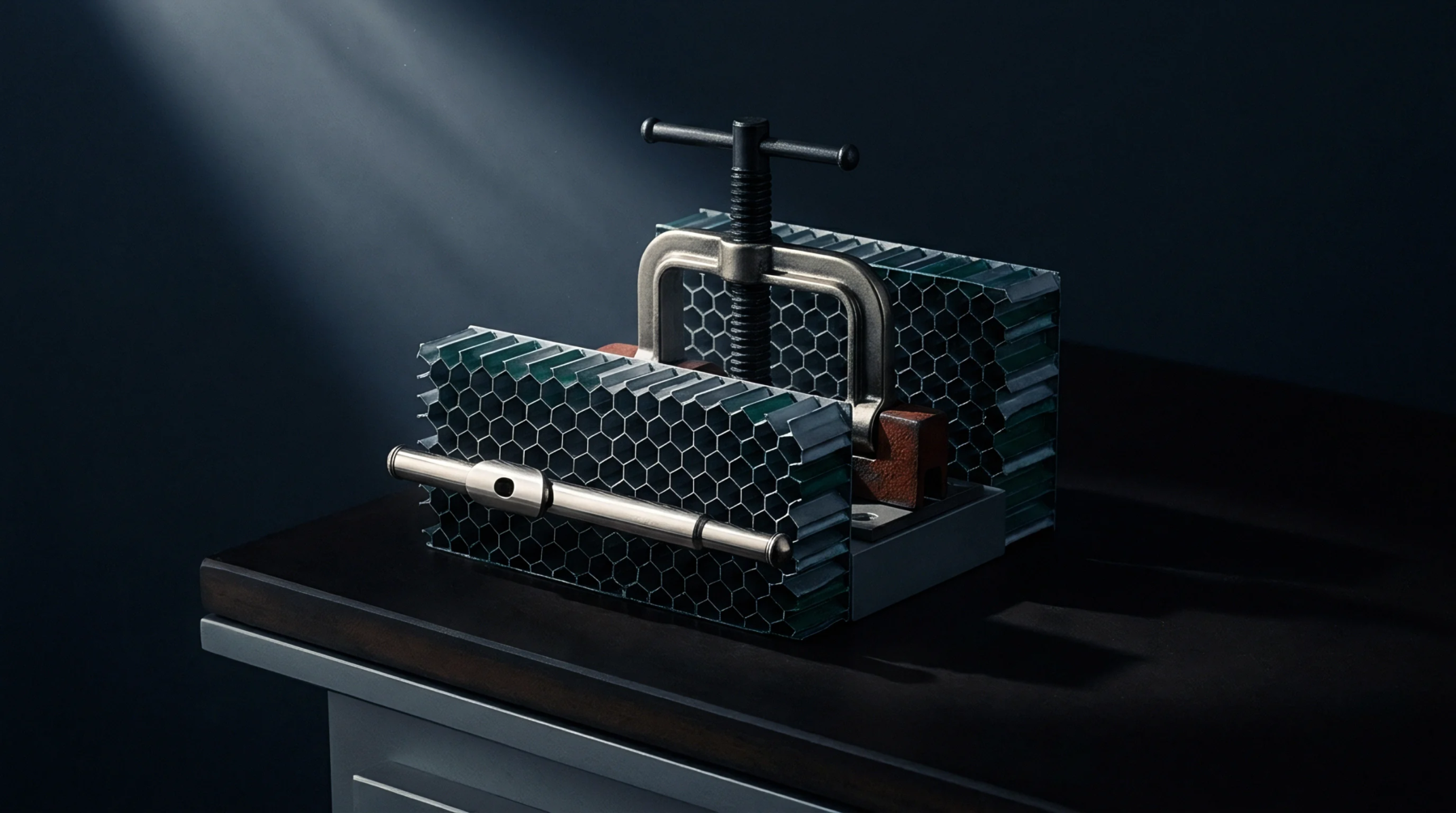
Paperboard structural performance is dictated by the ratio of thickness to basis weight. Modern mills use bulk optimization to maximize the caliper of the sheet while maintaining or reducing the overall grammage. This technique alters the fiber composition and refining intensity to achieve a more porous sheet.
By doing so, converters receive a board that yields higher bending stiffness without an increase in raw material cost.
Fiber Blend
The mechanical properties of the sheet depend heavily on the selection and treatment of the pulp. Long softwood fibers provide the required tensile strength, while high-yield mechanical pulp or hardwood fibers are used in the middle plies to build thickness. In the headbox, the dilution is adjusted to distribute these fibers in a structured web.
This layered structure allows bulk optimization to reduce the density of the core layer, effectively placing the highest-strength fibers on the outer surfaces where bending stresses are greatest. This maintains structural integrity under load.
Calendering Action
Pressing and drying are the final process stages where sheet caliper is permanently set. Machine calenders use controlled nip pressure to smooth the surface without crushing the internal voids. If the pressure is too high, the board loses its thickness, whereas insufficient pressure yields a rough surface.
This operation must balance the requirements of printability and stiffness, ensuring the board performs correctly during subsequent folding operations.