Structural Integrity
Internal bond failure describes the separation of paperboard layers within a multi-ply sheet. Carton delamination happens when the adhesive forces between individual plies or the internal structure of the fibres themselves fall below the mechanical stress applied during converting or end-use filling. This separation reduces the thickness and the stiffness of the board, potentially compromising the barrier properties of the package.
Production Mechanism
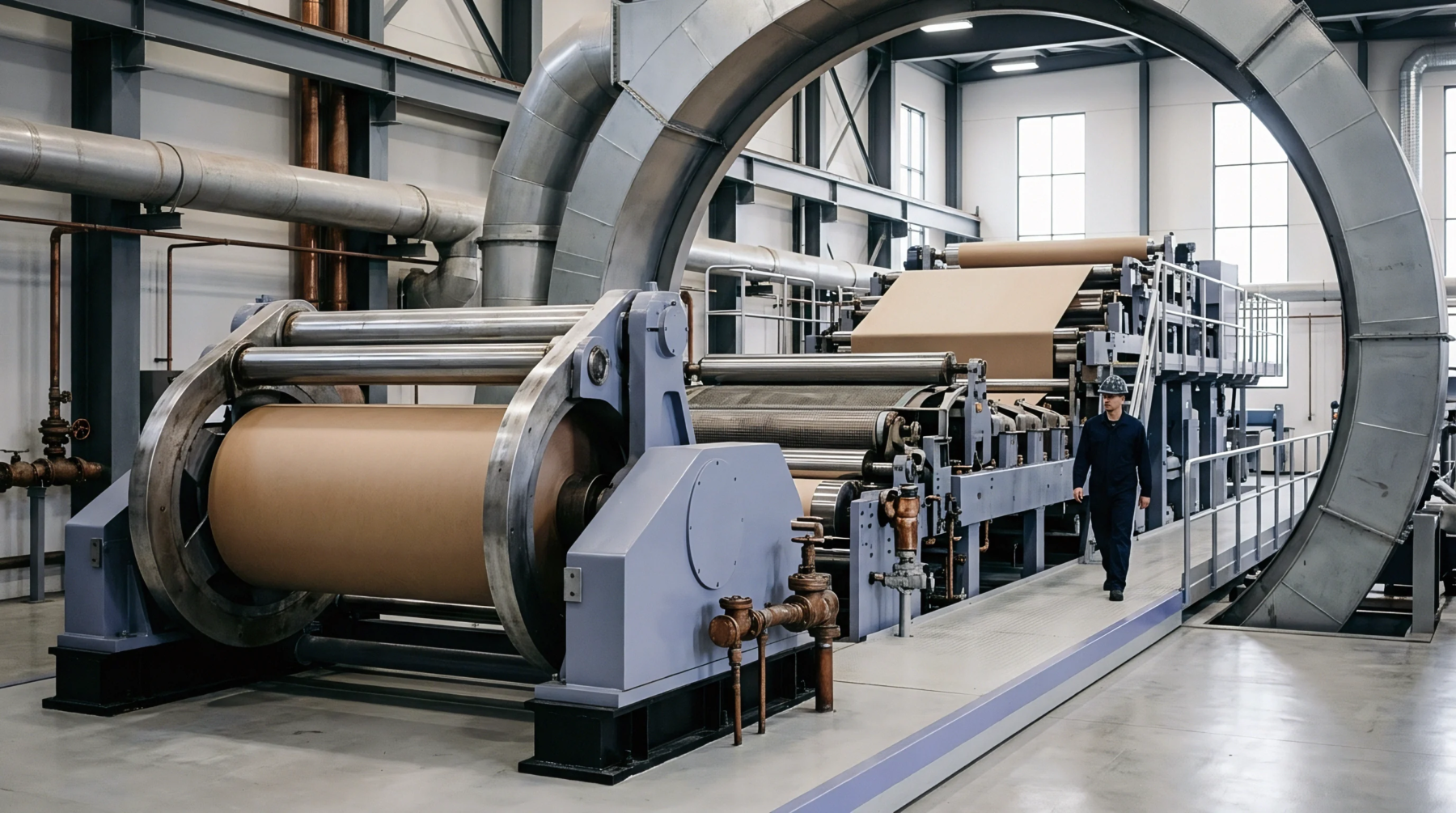
Manufacturing processes determine the resistance of a substrate to internal layer cleavage. Paperboard machines create bulk through the accumulation of separate plies, relying on hydrogen bonding and starch application to secure the interface between layers. If the moisture levels fluctuate during the drying phase or if the refining energy remains insufficient to fibrillate the fibres, the resulting board lacks the inter-ply strength required for high-speed folding or vacuum-fed filling lines.
Performance Constraint
Converter specifications demand high resistance to internal cleavage to prevent the edges of a carton from splitting during the scoring and folding operations. Heavy-duty die-cutting tools place extreme shear forces on the substrate, where any weakness in the sheet construction forces the internal plies to pull apart rather than fold cleanly. Excessive reliance on recycled fibre without compensatory sizing agents often accelerates the risk of ply separation under these conditions.
Consistent interfacial strength maintains the physical form of the package throughout the distribution cycle.